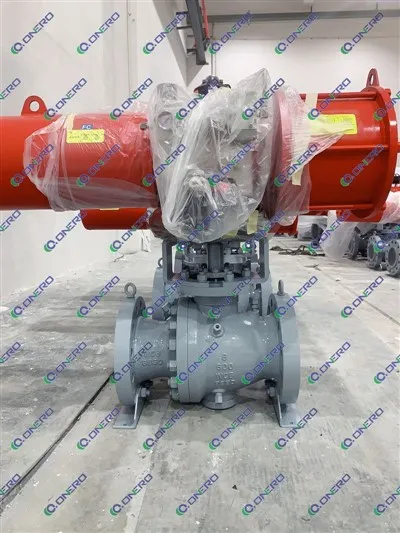
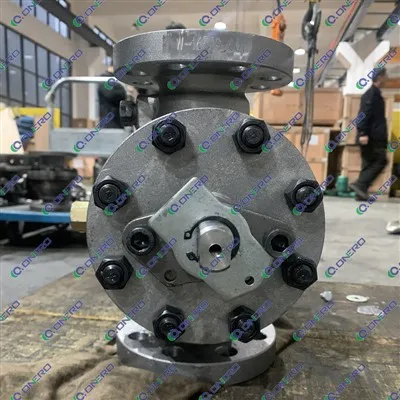
Back-pressure tolerance is a critical aspect when it comes to the performance and reliability of a four-port valve. As a seasoned four-port valve supplier, I've witnessed firsthand the importance of understanding this concept in various industrial applications. In this blog, we'll delve deep into what back-pressure tolerance of a four - port valve truly means, its significance, and how it impacts operations.
Understanding Back - Pressure
Before we can discuss the back-pressure tolerance of a four-port valve, we need to understand what back-pressure is. Back-pressure is the resistance or force that opposes the flow of fluid in a system. In a piping system with a four-port valve, it can be caused by various factors such as downstream restrictions, changes in elevation, or the flow rate of the fluid itself. For example, if there is a blockage in a pipe after the four - port valve, the fluid flow will be restricted, and pressure will build up behind the valve, creating back-pressure.
Definition of Back - Pressure Tolerance
Back-pressure tolerance refers to the maximum amount of back-pressure that a four - port valve can withstand without experiencing significant degradation in performance or damage. Each valve is designed with a specific back-pressure tolerance limit, which is determined by factors like the valve's material, design, and the intended application. For instance, a Stainless Steel Four Way Ball Valve may have a different back - pressure tolerance compared to a valve made of other materials due to the inherent strength and properties of stainless steel.
Factors Affecting Back - Pressure Tolerance
Material of the Valve
The material used in the construction of the four - port valve plays a crucial role in determining its back-pressure tolerance. Metals like stainless steel and brass are known for their high strength and corrosion resistance, which allow them to withstand higher levels of back-pressure. For example, a Jacket Ball Valve made of high - grade stainless steel can tolerate a greater amount of back - pressure compared to a valve made of a more brittle material. The atomic structure and mechanical properties of the metal contribute to its ability to resist deformation and leakage under high pressure conditions.
Valve Design
The design of the four - port valve also significantly impacts its back - pressure tolerance. Valves with a well - engineered flow path and a sturdy sealing mechanism are better suited to handle high back - pressure. For example, a wafer - style valve may have a different back - pressure tolerance compared to a traditional ball valve. A Wafer Ball Valve is designed to fit between two flanges, which can affect its ability to withstand pressure. The shape of the ball, the number of sealing points, and the overall geometry of the valve all contribute to its performance under back - pressure.
Application Conditions
The operating conditions in which the four - port valve is used will determine its acceptable back - pressure tolerance. In high - temperature applications, the material properties of the valve may change, affecting its ability to withstand back - pressure. For example, if the valve is used in a steam - based system, the high temperature and pressure of the steam can put additional stress on the valve components. Similarly, in applications involving corrosive fluids, the material of the valve may degrade over time, reducing its back - pressure tolerance.
Measuring Back - Pressure Tolerance
The back - pressure tolerance of a four - port valve is typically measured in units of pressure, such as pounds per square inch (psi) or pascals (Pa). Manufacturers conduct rigorous testing to determine the maximum back - pressure that a valve can handle. This testing involves subjecting the valve to increasing levels of back - pressure while monitoring its performance. Parameters such as leakage rate, valve operation, and structural integrity are closely monitored during the testing process. Once the valve starts to show signs of failure, such as excessive leakage or difficulty in operation, the back - pressure at that point is considered the limit of its tolerance.
Importance of Back - Pressure Tolerance in Industrial Applications
System Safety
Maintaining the back - pressure within the tolerance limit of the four - port valve is crucial for the safety of the entire system. If the back - pressure exceeds the valve's tolerance, it can lead to valve failure, which may result in fluid leakage, pressure spikes, or even system shutdown. In industries such as oil and gas or chemical processing, where the fluids involved can be hazardous, a valve failure due to excessive back - pressure can have serious consequences, including environmental damage and safety risks to personnel.
Operational Efficiency
The back - pressure tolerance of the four - port valve also affects the operational efficiency of the system. When the valve operates within its back - pressure tolerance, it ensures smooth and consistent fluid flow. On the other hand, if the back - pressure is too high, the valve may not function properly, leading to restrictions in flow, increased energy consumption, and reduced system productivity. For example, in a water treatment plant, an inefficient four - port valve due to excessive back - pressure can result in longer processing times and higher operating costs.


How Our Company Ensures High Back - Pressure Tolerance in Four - Port Valves
As a four - port valve supplier, we take several measures to ensure that our valves have high back - pressure tolerance. First, we use only high - quality materials in the manufacturing process. Our Stainless Steel Four Way Ball Valve is made from premium - grade stainless steel, which provides excellent strength and corrosion resistance. This allows the valve to withstand high levels of back - pressure without losing its integrity.
Second, we invest heavily in research and development to optimize the design of our valves. Our engineering team uses advanced computer - aided design (CAD) and simulation tools to model the valve's performance under different back - pressure conditions. This helps us to refine the valve's flow path, sealing mechanism, and overall structure to ensure maximum back - pressure tolerance.
Finally, we conduct thorough testing on all our valves before they are shipped to customers. Our testing facilities are equipped with state - of - the - art equipment that can accurately measure the back - pressure tolerance of the valve. We test each valve to ensure that it meets or exceeds the industry standards for back - pressure tolerance.
Conclusion
Understanding the back - pressure tolerance of a four - port valve is essential for ensuring the safe and efficient operation of any fluid system. As a supplier, we are committed to providing high - quality valves that can withstand the rigors of various industrial applications. Our expertise in materials, design, and testing allows us to offer valves with excellent back - pressure tolerance.
If you are in the market for four - port valves and want to discuss your specific requirements, we invite you to reach out for a procurement discussion. We are here to help you find the right valve solutions for your needs.
References
- Valve Handbook, 4th Edition, by Robert W. Christie
- Fluid Mechanics and Hydraulics, Schaum's Outline Series, by Jack B. Evett and Cheng Liu