What is the working temperature range of a Top Entry Ball Valve?
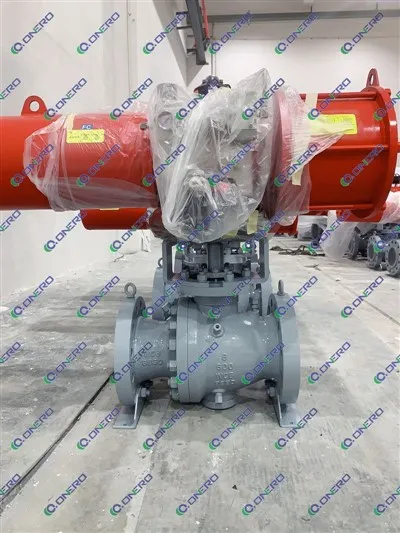
As a supplier of top entry ball valves, I often encounter inquiries from customers about the working temperature range of these essential industrial components. Understanding the temperature limits of a top entry ball valve is crucial for ensuring its proper functioning, longevity, and safety in various applications. In this blog post, I will delve into the factors that influence the working temperature range of a top entry ball valve, explore the typical temperature ranges for different types of valves, and discuss the importance of selecting the right valve for your specific temperature requirements.
Factors Influencing the Working Temperature Range
Several factors play a role in determining the working temperature range of a top entry ball valve. These factors include the materials used in the valve's construction, the type of seal, the design of the valve, and the operating conditions.


Materials
The materials used in the construction of a top entry ball valve have a significant impact on its temperature capabilities. Valves are typically made from a variety of materials, including carbon steel, stainless steel, alloy steel, and exotic metals such as titanium and nickel alloys. Each material has its own unique properties, including its melting point, thermal expansion coefficient, and resistance to corrosion and oxidation at high temperatures.
For example, carbon steel is a common material used in the construction of ball valves due to its low cost and good mechanical properties. However, carbon steel has a relatively low melting point and is prone to oxidation and corrosion at high temperatures. As a result, carbon steel valves are typically limited to operating temperatures of up to around 450°C (842°F).
Stainless steel, on the other hand, offers better corrosion resistance and higher temperature capabilities than carbon steel. Austenitic stainless steels, such as 304 and 316, can typically operate at temperatures up to around 650°C (1202°F), while high-alloy stainless steels, such as 310 and 321, can withstand temperatures up to around 800°C (1472°F).
Alloy steels, which contain a combination of different metals, offer enhanced strength and temperature resistance compared to carbon and stainless steels. For example, chrome-molybdenum alloy steels can operate at temperatures up to around 550°C (1022°F), while nickel-based alloys, such as Inconel and Hastelloy, can withstand temperatures up to around 1000°C (1832°F) or higher.
Seal Type
The type of seal used in a top entry ball valve also affects its working temperature range. There are two main types of seals used in ball valves: soft seals and hard seals.
Soft seals, which are typically made from materials such as PTFE (polytetrafluoroethylene), NBR (nitrile butadiene rubber), or EPDM (ethylene propylene diene monomer), offer excellent sealing performance at low to moderate temperatures. However, soft seals have a limited temperature range and can begin to degrade or lose their sealing properties at high temperatures. For example, PTFE seals are typically limited to operating temperatures of up to around 260°C (500°F), while NBR seals are limited to around 120°C (248°F).
Hard seals, on the other hand, are made from materials such as metal, ceramic, or carbide, and offer better temperature resistance and durability than soft seals. Hard seals can typically operate at temperatures up to around 600°C (1112°F) or higher, depending on the material used. For more information on hard seal ball valves, you can visit Hard Seal Ball Valve.
Valve Design
The design of a top entry ball valve can also influence its working temperature range. Factors such as the valve's size, pressure rating, and flow characteristics can all affect its ability to handle high temperatures.
For example, larger valves may require more heat to reach their operating temperature, which can increase the risk of thermal stress and damage. Similarly, valves with higher pressure ratings may need to be designed to withstand greater forces at high temperatures, which can also affect their temperature capabilities.
In addition, the flow characteristics of a valve can also impact its temperature performance. Valves that are designed to handle high-flow rates or turbulent flow may experience more heat generation and thermal stress than valves with lower flow rates. As a result, it is important to select a valve with the appropriate design for your specific application.
Operating Conditions
The operating conditions of a top entry ball valve, such as the type of fluid being transported, the pressure and flow rate of the fluid, and the presence of any contaminants or corrosive substances, can also affect its working temperature range.
For example, fluids that have a high viscosity or contain solid particles can generate more heat and friction as they flow through the valve, which can increase the temperature of the valve and reduce its lifespan. Similarly, fluids that are corrosive or reactive can damage the valve's materials and seals, especially at high temperatures.
In addition, the pressure and flow rate of the fluid can also impact the valve's temperature performance. Valves that are operated at high pressures or flow rates may experience more heat generation and thermal stress than valves operated at lower pressures and flow rates. As a result, it is important to consider the operating conditions of your application when selecting a top entry ball valve.
Typical Working Temperature Ranges for Different Types of Top Entry Ball Valves
The working temperature range of a top entry ball valve can vary depending on the factors discussed above. However, here are some typical temperature ranges for different types of top entry ball valves:
Carbon Steel Top Entry Ball Valves
Carbon steel top entry ball valves are commonly used in a variety of industrial applications due to their low cost and good mechanical properties. These valves are typically limited to operating temperatures of up to around 450°C (842°F).
Stainless Steel Top Entry Ball Valves
Stainless steel top entry ball valves offer better corrosion resistance and higher temperature capabilities than carbon steel valves. Austenitic stainless steel valves, such as those made from 304 or 316 stainless steel, can typically operate at temperatures up to around 650°C (1202°F), while high-alloy stainless steel valves, such as those made from 310 or 321 stainless steel, can withstand temperatures up to around 800°C (1472°F).
Alloy Steel Top Entry Ball Valves
Alloy steel top entry ball valves offer enhanced strength and temperature resistance compared to carbon and stainless steel valves. Chrome-molybdenum alloy steel valves can typically operate at temperatures up to around 550°C (1022°F), while nickel-based alloy valves, such as those made from Inconel or Hastelloy, can withstand temperatures up to around 1000°C (1832°F) or higher.
Three Way Ball Valves
Three Way Ball Valves are designed to control the flow of fluid in three different directions. These valves can be made from a variety of materials, including carbon steel, stainless steel, and alloy steel, and their working temperature range will depend on the material used. Three way carbon steel ball valves, for example, are typically limited to operating temperatures of up to around 450°C (842°F), while three way stainless steel ball valves can operate at higher temperatures. For more information on three way carbon steel ball valves, you can visit Three Way Carbon Steel Ball Valve.
Importance of Selecting the Right Valve for Your Temperature Requirements
Selecting the right top entry ball valve for your temperature requirements is crucial for ensuring the safe and efficient operation of your industrial process. Using a valve that is not designed to handle the temperatures in your application can lead to a variety of problems, including valve failure, leakage, and damage to other equipment.
For example, if you use a valve with a soft seal that is not rated for the high temperatures in your application, the seal may degrade or lose its sealing properties, which can result in leakage and potential safety hazards. Similarly, if you use a valve made from a material that is not suitable for the high temperatures in your application, the valve may experience thermal stress and damage, which can lead to premature failure and costly repairs.
In addition, selecting the right valve for your temperature requirements can also help to improve the efficiency and reliability of your industrial process. A valve that is designed to operate at the temperatures in your application will be able to provide better sealing performance, reduce leakage, and minimize the risk of valve failure, which can help to improve the overall performance of your system.
Contact Us for Your Top Entry Ball Valve Needs
If you are in the market for a top entry ball valve and need help selecting the right valve for your temperature requirements, please do not hesitate to contact us. Our team of experts has extensive experience in the design and manufacture of top entry ball valves and can provide you with the guidance and support you need to make an informed decision.
We offer a wide range of top entry ball valves in different materials, sizes, and pressure ratings to meet the needs of various industrial applications. Whether you need a valve for a high-temperature process or a low-temperature application, we have the solution for you.
Contact us today to discuss your requirements and get a quote for your top entry ball valve. We look forward to working with you to provide the best valve solutions for your industrial needs.
References
- Valve Handbook, 4th Edition, by Robert W. Saunders
- ASME Boiler and Pressure Vessel Code, Section VIII, Division 1
- API 6D: Specification for Pipeline Valves