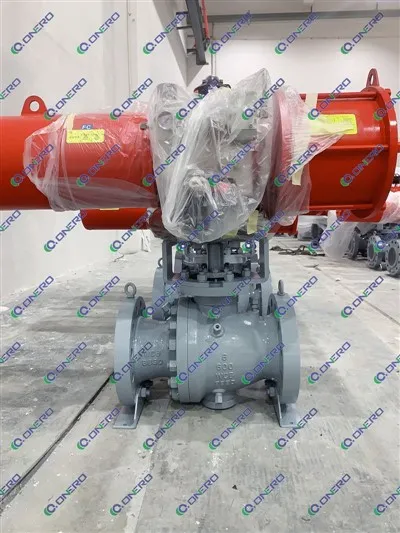
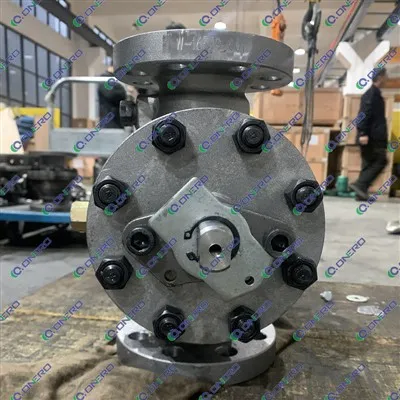
Hey there! I'm a supplier of trunnion valves, and I know how crucial it is to get the packaging right during transportation. You see, trunnion valves are pretty hefty pieces of equipment, and they need to be protected from all sorts of potential damage on the way to their destination. So, let's dive into what kind of packaging is suitable for these bad boys.
First off, let's talk about the materials. For trunnion valves, we usually want to use sturdy and durable materials. Wood is a classic choice. Wooden crates are strong enough to withstand a fair amount of rough handling during shipping. They can absorb shocks and vibrations, which is super important because trunnion valves have delicate internal components. A well - built wooden crate can keep the valve in place and prevent it from banging around inside the container.
Another option is metal containers. They offer even more protection against external impacts. Metal is tough and can resist dents and scratches better than some other materials. However, they are heavier, which can add to the shipping costs. But if you're shipping your Forged Steel Fixed Ball Valve or Cast Steel Fixed Ball Valve over long distances or in high - risk shipping environments, the extra cost might be worth it.
Now, let's consider the internal packaging. Inside the crate or container, we need to use cushioning materials. Foam is a great option. It can be cut to fit the shape of the valve precisely. Foam provides excellent shock absorption, protecting the valve from minor bumps and jolts. Bubble wrap is also a common choice. It's cheap and easy to use. You can wrap the valve in multiple layers of bubble wrap to create a soft barrier around it.
For the valve's ends, we should use end caps. These caps prevent dust, dirt, and moisture from getting inside the valve. They also protect the valve's threads or flanges from damage. End caps can be made of plastic or rubber, depending on the type of valve and the shipping conditions.
When it comes to labeling, it's a must - do. We need to clearly label the package with information like the valve's model, size, weight, and handling instructions. This helps the shipping company and the end - user know exactly what they're dealing with. For example, if the valve needs to be kept upright during transportation, we should put a big "This Side Up" label on the crate.
Let's also think about the environmental conditions during shipping. If the valve is going to be exposed to extreme temperatures or humidity, we might need to take extra precautions. For instance, we can use moisture - resistant packaging materials or add desiccants inside the crate to keep the air dry. If it's going to be very cold, we need to make sure the valve won't be damaged by freezing.


Now, let's talk about the assembly state of the valve during shipping. Sometimes, it's better to ship the valve in a disassembled state. This can reduce the overall size and weight of the package, which in turn can save on shipping costs. However, disassembling the valve also means there's a risk of losing small parts. So, if we do disassemble it, we need to make sure all the parts are properly labeled and stored in separate, secure compartments within the package.
For our Forged Steel Fixed Ball Valve, the packaging requirements might be a bit different compared to other types of valves. Forged steel valves are often more robust, but they also tend to be more expensive. So, we need to provide top - notch packaging to ensure their safety.
In addition to the physical protection, we also need to consider the legal and regulatory aspects of packaging. Different countries and regions have their own rules regarding the packaging and shipping of industrial equipment. We need to make sure our packaging complies with all these regulations to avoid any delays or fines.
Another factor to consider is the shipping method. If the valve is being shipped by sea, it will face different challenges compared to air or land transportation. Sea shipments are often longer and more exposed to harsh weather conditions. So, the packaging needs to be extra durable and waterproof. Air shipments, on the other hand, are faster but have stricter weight and size limitations.
When it comes to custom - made trunnion valves, the packaging needs to be tailored to the specific design and requirements of the valve. We can't just use a one - size - fits - all approach. For example, if a valve has unique shapes or protrusions, we need to design the packaging to accommodate those features.
Now, I want to stress the importance of testing the packaging. Before we start mass - shipping our valves, we should conduct some tests. We can simulate different shipping conditions, like dropping the package from a certain height or subjecting it to vibrations. This way, we can identify any weak points in the packaging and make the necessary improvements.
As a trunnion valve supplier, I understand that getting the packaging right is not just about protecting the product. It's also about building trust with our customers. When they receive a valve that's in perfect condition, they're more likely to come back for more business.
If you're in the market for trunnion valves or have any questions about packaging and shipping, I'd love to have a chat with you. We can discuss your specific needs and come up with the best packaging solution for your order. Whether you're looking for a Forged Steel Fixed Ball Valve or a Cast Steel Fixed Ball Valve, we've got you covered.
Let's work together to ensure your trunnion valves arrive at their destination in top - notch condition. Reach out to us, and let's start the conversation about your next valve purchase.
References:
- Packaging Industry Standards and Guidelines
- Shipping and Logistics Best Practices for Industrial Equipment