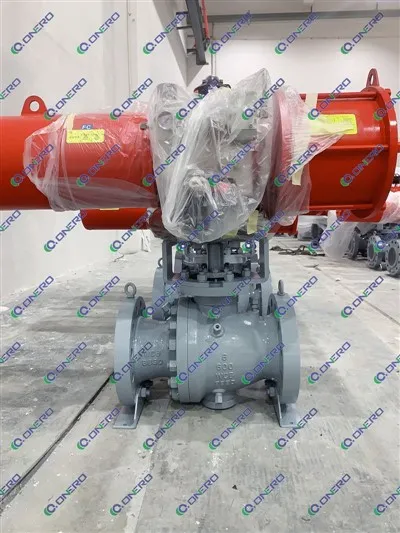
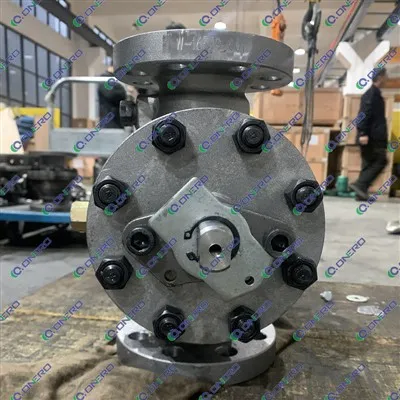
As a supplier of flanged end ball valves, I've witnessed firsthand the critical importance of fire - safe features in these valves. In industrial settings, especially those dealing with flammable fluids and gases, a fire - safe valve can be the difference between a minor incident and a catastrophic disaster. So, what features make a flanged end ball valve fire - safe? Let's delve into the details.
Material Selection
One of the fundamental aspects of a fire - safe flanged end ball valve is the choice of materials. High - quality metals are crucial for withstanding the extreme heat generated during a fire. For instance, stainless steel is a popular choice due to its excellent corrosion resistance and high melting point. It can maintain its structural integrity even at elevated temperatures, preventing the valve from failing prematurely.
Another commonly used material is carbon steel. Carbon steel offers good strength and durability, and it can be heat - treated to enhance its fire - resistance properties. When a fire occurs, these materials can resist deformation and maintain the valve's sealing performance. The body and ball of the valve are typically made from these robust materials to ensure long - term reliability under fire conditions.
Sealing Mechanisms
Effective sealing is essential for a fire - safe flanged end ball valve. During normal operation, soft seals made of materials like PTFE (Polytetrafluoroethylene) provide excellent sealing performance, preventing leakage of the fluid or gas. However, these soft seals can be damaged by high temperatures in a fire.
To address this issue, fire - safe valves are equipped with a secondary metal - to - metal sealing mechanism. In the event of a fire, the soft seals may burn away, but the metal - to - metal seal takes over. This backup seal ensures that the valve can still contain the flow and prevent the spread of flammable substances. The metal - to - metal sealing surfaces are precisely machined to provide a tight fit, even after exposure to high heat.
Fire - Resistant Coatings
Applying fire - resistant coatings to the valve components can significantly enhance its fire - safe capabilities. These coatings act as a barrier, reducing the heat transfer to the internal parts of the valve. They can also protect the metal surfaces from oxidation and corrosion during a fire.
There are different types of fire - resistant coatings available, such as intumescent coatings. Intumescent coatings expand when exposed to high temperatures, forming a thick, insulating layer. This layer helps to keep the internal temperature of the valve within acceptable limits, preserving the functionality of the valve's components.
Stem Design
The stem of a flanged end ball valve is another critical component that needs to be designed for fire - safety. A well - designed stem should prevent the escape of fluid or gas along its length during a fire. One way to achieve this is by using a fire - safe stem packing.
The stem packing is typically made of materials that can withstand high temperatures. Graphite packing is a common choice as it has excellent heat resistance and lubricating properties. Additionally, the stem design may include a fire - safe gland system. This system ensures that the packing remains in place and provides an effective seal even when the valve is exposed to fire.
Testing and Certification
To ensure that a flanged end ball valve meets the required fire - safe standards, it must undergo rigorous testing. There are several international standards for fire - safe valves, such as API 607 and API 6FA. These standards define the testing procedures and performance criteria for fire - safe valves.
During the testing process, the valve is subjected to a simulated fire environment. It is exposed to high temperatures for a specified period, and its performance is closely monitored. The valve must maintain its sealing integrity and operational functionality throughout the test. Once a valve passes these tests, it can be certified as fire - safe, giving customers confidence in its reliability.
Our Product Offerings
As a supplier, we offer a wide range of flanged end ball valves with excellent fire - safe features. Our Forged Steel Fixed Ball Valve is a prime example. It is made from high - quality forged steel, which provides superior strength and durability. The valve is equipped with a reliable sealing mechanism, including both soft seals and a secondary metal - to - metal seal.
We also have Forged Steel Fixed Ball Valve models that are coated with advanced fire - resistant coatings. These coatings not only enhance the fire - safe performance but also extend the service life of the valve. Additionally, our Cast Steel Fixed Ball Valve is a cost - effective option without compromising on fire - safety features. It is designed to meet the most demanding industrial applications.
Conclusion
In conclusion, a fire - safe flanged end ball valve requires a combination of high - quality materials, effective sealing mechanisms, fire - resistant coatings, proper stem design, and rigorous testing. These features work together to ensure that the valve can perform reliably in the event of a fire, protecting lives and property.


If you are in the market for fire - safe flanged end ball valves, we invite you to contact us for more information. Our team of experts can provide you with detailed product specifications and help you select the right valve for your specific application. We are committed to providing high - quality products and excellent customer service. Whether you are in the oil and gas industry, chemical processing, or any other sector that requires fire - safe valves, we have the solutions you need. Let's discuss your requirements and find the perfect valve for your project.
References
- API 607: Fire - Test Standard for Quarter - Turn Valves and Valves with Butt - Welded Ends
- API 6FA: Specification for Fire - Tested Gate, Globe, and Check Valves