What is the noise level generated by a Trunnion Ball Valve during operation?
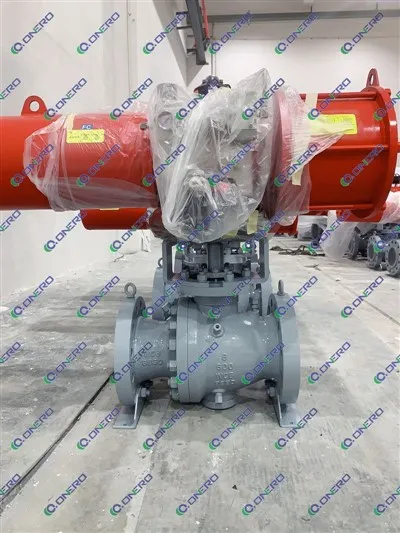
As a leading supplier of trunnion ball valves, we're frequently asked about the noise levels generated during their operation. Understanding the noise characteristics of these valves is crucial for various industrial applications, as excessive noise can indicate problems, impact the working environment, and lead to regulatory compliance issues.
Factors Influencing Noise in Trunnion Ball Valves
The noise produced by a trunnion ball valve during operation is a result of multiple factors, each contributing to the overall sound profile.
Fluid Flow and Velocity
One of the primary factors influencing noise is the fluid flow through the valve. When fluid moves through the valve, especially at high velocities, it can create turbulence and pressure fluctuations. These disturbances generate sound waves, which we perceive as noise. For instance, in systems where the fluid velocity exceeds the recommended limits (usually around 10 - 15 meters per second for most industrial applications), the noise level can increase significantly. The sudden change in the flow direction as the fluid passes through the valve opening also contributes to the noise.
Valve Design and Geometry
The design and geometry of the trunnion ball valve play a crucial role in noise generation. The shape of the ball, the size and shape of the valve ports, and the internal surface finish all affect how the fluid behaves inside the valve. A valve with sharp edges or irregular internal surfaces can cause more turbulence and thus more noise compared to a valve with smooth, well - designed contours. For example, a valve with a reduced port size may create higher flow velocities, leading to increased noise levels, even if the overall flow rate is relatively low.
Pressure Differential
The pressure differential across the valve is another significant factor. A large pressure drop between the inlet and the outlet of the valve can result in high - energy fluid flow and more intense turbulence. As a result, the noise level increases. In some high - pressure applications, the pressure differential can cause cavitation, a phenomenon where vapor bubbles form and collapse rapidly in the fluid. Cavitation not only generates a high - pitched, noisy sound but can also damage the valve components over time.


Measuring Noise Levels in Trunnion Ball Valves
To understand and manage the noise generated by trunnion ball valves, accurate measurement is essential.
Measurement Techniques
There are several methods used to measure the noise levels of valves. One common approach is to use a sound level meter, which can measure the sound pressure level in decibels (dB). The meter should be placed at a specific distance from the valve, typically according to industry standards and guidelines, to ensure consistent and comparable measurements. Another advanced technique is the use of acoustic sensors, which can detect and analyze the frequency spectrum of the noise. This allows for a more detailed understanding of the noise sources and can help in identifying the specific components or processes within the valve that are contributing to the noise.
Typical Noise Level Ranges
The noise levels of trunnion ball valves can vary widely depending on the application. In low - pressure, low - flow applications, the noise level may be as low as 50 - 60 dB, which is similar to the noise level in a quiet office environment. However, in high - pressure, high - flow systems, such as those in oil and gas pipelines or power plants, the noise level can reach 80 - 90 dB or even higher. These levels are comparable to the noise in a busy factory or a heavy - traffic area.
Reducing Noise in Trunnion Ball Valves
As a supplier, we understand the importance of providing solutions to minimize the noise generated by our trunnion ball valves.
Design Improvements
We continuously invest in research and development to improve the valve design. By optimizing the ball shape, port size, and internal surface finish, we can reduce turbulence and pressure fluctuations, thereby reducing noise. For example, using a streamlined ball design and smooth - walled ports can help the fluid flow more smoothly through the valve.
Flow Control
Proper flow control is also crucial in noise reduction. By using flow control devices such as orifice plates or flow restrictors, we can regulate the fluid velocity and pressure differential across the valve. This helps to keep the flow within the recommended limits and reduces the noise generated.
Installation and Maintenance
Correct installation and regular maintenance of the valves are essential for noise reduction. Improper installation, such as misalignment or incorrect tightening of bolts, can lead to increased vibration and noise. Regular maintenance, including checking for worn - out components and ensuring proper lubrication, can also prevent noise - causing problems.
Our Product Range
We offer a wide range of trunnion ball valves, including Forged Steel Fixed Ball Valve and Cast Steel Fixed Ball Valve. Our forged steel fixed ball valves are known for their high strength, durability, and excellent performance in high - pressure applications. The forgings provide a superior structure that can withstand the rigors of demanding industrial environments. You can also explore our Forged Steel Fixed Ball Valve manufacturing details to understand how we ensure the quality from the production source.
Conclusion
In conclusion, the noise level generated by a trunnion ball valve during operation is influenced by multiple factors, including fluid flow, valve design, and pressure differential. By understanding these factors, accurately measuring the noise levels, and implementing appropriate noise - reduction strategies, we can provide our customers with valves that operate quietly and efficiently.
If you're in the market for high - quality trunnion ball valves and want to discuss the noise requirements for your specific application, we invite you to contact us for a detailed procurement discussion. Our team of experts is ready to help you select the right valve and provide comprehensive solutions to meet your needs.
References
- "Valve Handbook" by David W. Roper
- "Fluid Mechanics and the Design of Pipelines" textbooks
- Industry standards and guidelines on valve noise measurement and control