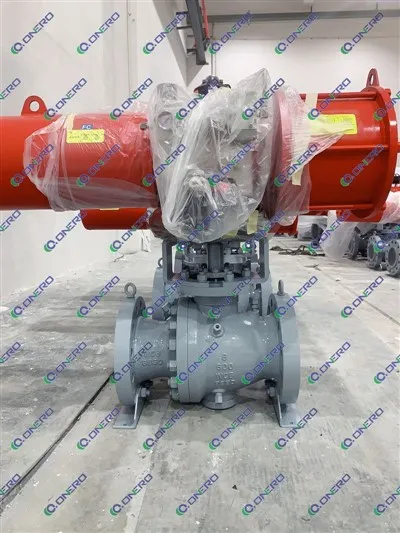
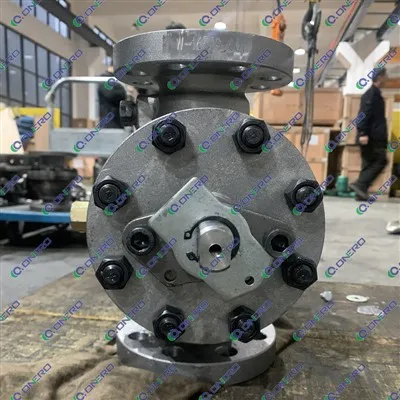
When it comes to industrial fluid control systems, wafer ball valves are a popular choice due to their reliability, durability, and efficient performance. As a trusted wafer ball valve supplier, I understand the importance of safety when using these valves. In this blog post, I will discuss the essential safety precautions that should be taken when using a wafer ball valve to ensure smooth operation and prevent potential hazards.
1. Pre - installation Safety Checks
Before installing a wafer ball valve, it is crucial to conduct a series of safety checks. First, carefully inspect the valve for any visible damage, such as cracks, scratches, or dents on the body, ball, or stem. A damaged valve may not function properly and could lead to leaks or malfunctions during operation.
Verify that the valve's specifications match the requirements of the application. This includes checking the valve's size, pressure rating, temperature rating, and material compatibility with the fluid being controlled. Using a valve with incorrect specifications can result in valve failure and pose a significant safety risk. For example, if a valve is rated for a lower pressure than the system's operating pressure, it may burst under pressure.
Inspect the gaskets and seals. Ensure that they are in good condition and the correct type for the application. Faulty gaskets can cause leaks, which can be dangerous, especially when dealing with hazardous fluids. You can find a variety of high - quality wafer ball valves, including Wafer Ball Valve on our website, which are equipped with reliable gaskets and seals.
2. Proper Installation
Proper installation is key to the safe operation of a wafer ball valve. First, make sure that the pipeline is clean and free of debris before installing the valve. Any foreign particles in the pipeline can damage the valve's internal components and affect its performance.
When installing the valve, ensure that it is correctly aligned with the pipeline. Misalignment can cause stress on the valve body and stem, leading to premature wear and potential failure. Use appropriate tools to tighten the bolts evenly around the valve. Over - tightening or uneven tightening can distort the valve body and cause leaks.
It is also important to install the valve in the correct orientation. Most wafer ball valves are designed to be installed in a specific flow direction, which is usually indicated on the valve body. Installing the valve in the wrong direction can reduce its efficiency and may even cause damage.
3. Operational Safety
During operation, it is essential to follow the correct operating procedures. Do not operate the valve beyond its rated capacity. This includes not exceeding the maximum pressure, temperature, or flow rate specified by the manufacturer. Operating the valve outside of its rated parameters can lead to valve failure, which can be extremely dangerous.
When opening or closing the valve, do it slowly and steadily. Rapid opening or closing can cause water hammer, which is a pressure surge in the pipeline. Water hammer can damage the valve, pipes, and other components in the system.
Regularly monitor the valve's operation. Check for any signs of leaks, unusual noises, or vibrations. If any of these issues are detected, stop the operation immediately and investigate the cause. Leaks can not only waste resources but also pose a safety hazard, especially if the fluid is toxic, flammable, or corrosive.
4. Maintenance and Inspection
Regular maintenance and inspection are crucial for the long - term safety and performance of a wafer ball valve. Establish a maintenance schedule and stick to it. This may include tasks such as lubricating the valve stem, checking the tightness of bolts, and inspecting the gaskets and seals.
Lubrication of the valve stem helps to ensure smooth operation and reduces wear. Use a lubricant that is compatible with the valve's materials and the fluid being controlled. Over - lubrication or using the wrong type of lubricant can also cause problems.
Inspect the valve's internal components periodically. This may require disassembling the valve, which should be done by trained personnel. Check the ball, seats, and stem for wear, corrosion, or damage. Replace any worn or damaged components promptly to prevent valve failure.
5. Training for Operators
All operators who will be using the wafer ball valve should receive proper training. Training should cover the valve's operating principles, installation procedures, maintenance requirements, and safety precautions. Operators should be aware of the potential hazards associated with the valve and how to respond in case of an emergency.
Training should also include hands - on experience with the valve. Operators should practice opening and closing the valve correctly and learn how to identify and troubleshoot common problems. Well - trained operators are more likely to operate the valve safely and effectively, reducing the risk of accidents.
6. Emergency Preparedness
Even with all the safety precautions in place, emergencies can still occur. It is important to have an emergency response plan in place. This plan should include procedures for shutting off the valve in case of a leak or other emergency, as well as steps for dealing with spills or other hazardous situations.
Ensure that all operators are familiar with the emergency response plan and know where to find the necessary safety equipment, such as personal protective equipment (PPE), spill containment materials, and fire extinguishers.
7. Compatibility with Other Components
When using a wafer ball valve, it is important to consider its compatibility with other components in the system. For example, the valve should be compatible with the actuators, sensors, and control systems that are used in conjunction with it. Incompatible components can cause malfunctions and pose safety risks.
If you are using a disc floating ball valve, make sure it is compatible with the overall system design. You can explore our range of Disc Floating Ball Valve to find the right valve for your specific application.


8. Three - Way Ball Valve Considerations
If you are using a three - way ball valve, there are additional safety precautions to consider. Three - way ball valves are more complex than standard two - way valves, as they allow for different flow paths. Make sure that operators understand how to operate the three - way valve correctly to avoid cross - contamination or other issues.
Check the valve's position indicators regularly to ensure that the valve is in the correct position. Incorrect positioning of a three - way valve can lead to unexpected flow patterns and potential safety hazards. You can find high - quality Three Way Ball Valve on our website, which are designed with clear position indicators for easy and safe operation.
In conclusion, safety is of utmost importance when using a wafer ball valve. By following these safety precautions, including pre - installation checks, proper installation, safe operation, regular maintenance, operator training, emergency preparedness, and considering component compatibility, you can ensure the safe and efficient operation of your wafer ball valve.
If you are interested in purchasing high - quality wafer ball valves or need more information about our products, please feel free to contact us for procurement and negotiation. We are committed to providing you with the best products and services to meet your industrial fluid control needs.
References
- Valve Handbook, 4th Edition by J. S. T. Lovick
- Industrial Valve Standards and Practices by The Valve Manufacturers Association of America