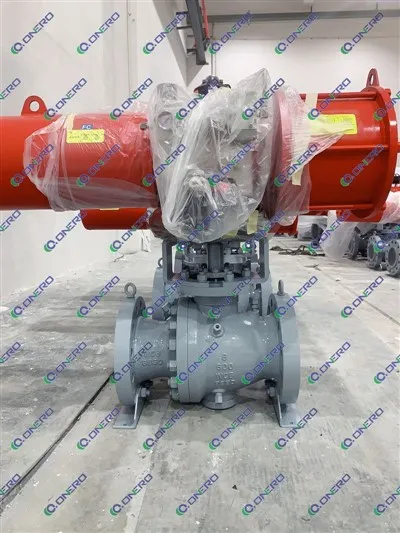
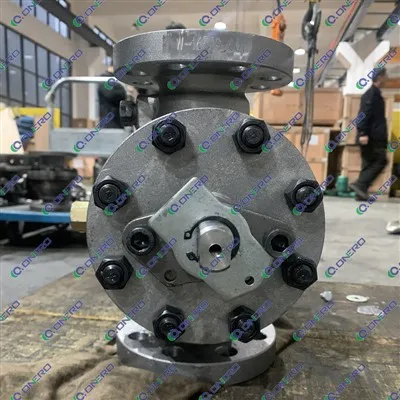
Hey there! As a supplier of top entry valves, I've spent a ton of time digging into how the internal structure of these valves impacts their performance. In this blog, I'm gonna break down the key aspects of the internal structure and explain how they play a crucial role in the overall functionality of top entry valves.
First off, let's talk about the ball, which is one of the most important components in a top entry valve. The ball is responsible for controlling the flow of fluid through the valve. Its shape, size, and material can have a huge impact on the valve's performance. For example, a perfectly spherical ball ensures a tight seal when the valve is closed, preventing any leakage. If the ball is not precisely machined or has an irregular shape, it can lead to poor sealing and reduced efficiency.
The material of the ball also matters a great deal. Different materials have different properties, such as corrosion resistance, hardness, and durability. For applications where the valve will be exposed to corrosive fluids, a ball made of stainless steel or other corrosion - resistant alloys is a must. On the other hand, in high - pressure applications, a ball with high hardness and strength is required to withstand the forces. We offer Forged Steel Fixed Ball Valve and Cast Steel Fixed Ball Valve, which are made from high - quality materials to ensure optimal performance in various conditions.
Next up is the seat. The seat is the part of the valve that comes into contact with the ball to create a seal. There are two main types of seats: soft seats and metal seats. Soft seats, usually made of materials like PTFE (polytetrafluoroethylene), provide excellent sealing performance, especially in low - pressure applications. They can conform to the surface of the ball, creating a tight seal that prevents leakage. However, soft seats may not be suitable for high - temperature or high - pressure applications, as they can deform or wear out quickly.
Metal seats, on the other hand, are more durable and can withstand higher temperatures and pressures. They are often used in applications where the valve needs to operate in harsh environments. But metal seats may not provide as tight a seal as soft seats, especially in low - pressure situations. The design of the seat, including its shape and the way it is installed in the valve, also affects the sealing performance. A well - designed seat will ensure proper contact with the ball and maintain a reliable seal over time.
The stem is another critical component. The stem is used to rotate the ball and control the opening and closing of the valve. Its strength and stability are essential for the smooth operation of the valve. If the stem is too weak, it can bend or break under the force applied during operation, leading to valve failure. The connection between the stem and the ball also needs to be secure. A loose connection can cause the ball to move erratically, affecting the valve's performance and sealing.
The internal cavity of the valve also has an impact on performance. A smooth and well - designed cavity allows for efficient fluid flow. If the cavity has rough surfaces or sharp edges, it can cause turbulence in the fluid flow, increasing pressure drop and reducing the valve's efficiency. Additionally, the size of the cavity needs to be appropriate for the flow rate and pressure of the fluid. A cavity that is too small can restrict the flow, while a cavity that is too large may not provide sufficient control over the flow.
Now, let's consider the effect of the internal structure on maintenance. A well - designed internal structure can make maintenance easier. For example, if the valve is designed in such a way that the components can be easily accessed and replaced, it will reduce downtime and maintenance costs. In our Forged Steel Fixed Ball Valve, we pay close attention to the design to ensure that maintenance is hassle - free.
In terms of performance under different operating conditions, the internal structure plays a vital role. In high - pressure applications, the valve needs to be able to withstand the forces without leakage or damage. A valve with a robust internal structure, such as a thick - walled body and a strong ball - seat combination, is more likely to perform well. In high - temperature applications, the materials used in the internal components need to have good thermal stability to prevent deformation or failure.


The internal structure also affects the valve's response time. A valve with a simple and efficient internal design will have a faster response time, allowing for quick opening and closing. This is crucial in applications where rapid flow control is required, such as in emergency shutdown systems.
In conclusion, the internal structure of a top entry valve has a profound impact on its performance, including sealing, flow control, durability, maintenance, and response time. As a top entry valve supplier, we understand the importance of these factors and strive to design and manufacture valves with the best internal structures. Whether you need a valve for a simple low - pressure application or a complex high - pressure, high - temperature environment, we have the right solution for you.
If you're interested in our top entry valves or have any questions about how the internal structure can affect the performance in your specific application, don't hesitate to reach out to us. We're here to help you find the perfect valve for your needs and ensure that it performs at its best.
References
- Valve Handbook: A Guide to Valve Selection and Application
- Industrial Valve Technology and Engineering