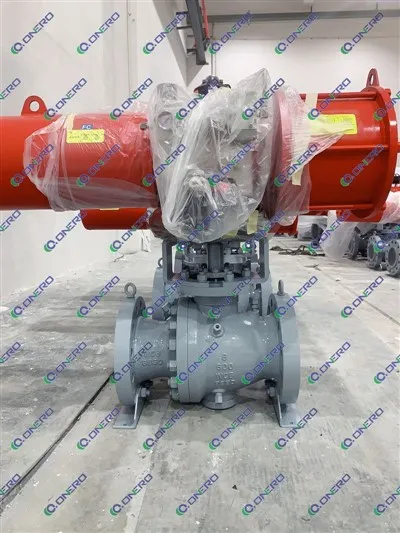
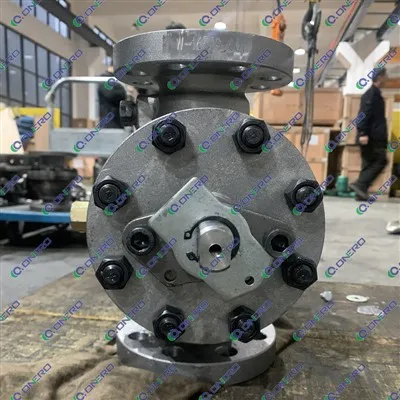
As a supplier of four - port valves, understanding the leakage rates of these valves is crucial not only for our customers but also for the overall quality control and application efficiency of the products we offer. In this blog post, we'll delve into the concept of four - port valve leakage rates, explore the factors influencing them, and discuss their significance in different industries.
Understanding Leakage Rates
Leakage rate refers to the amount of fluid that escapes from a valve under specified conditions. For four - port valves, which are designed to control the flow of fluids through four different paths, the leakage rate is measured in terms of the volume of fluid that leaks past the valve seats per unit of time. This is typically expressed in units such as liters per minute (L/min) or cubic centimeters per hour (cm³/h).
The leakage rate of a four - port valve is a key indicator of its performance. A low leakage rate signifies a well - functioning valve that can effectively control the flow and prevent unwanted fluid loss. On the other hand, a high leakage rate can lead to a variety of problems, including decreased system efficiency, increased energy consumption, and potential safety hazards.
Types of Leakage
There are two main types of leakage that we consider in four - port valves: external leakage and internal leakage.
External leakage occurs when fluid escapes from the valve to the external environment. This can be caused by issues such as faulty valve packing, damaged seals, or improper installation. External leakage is not only wasteful but can also pose a risk to the surrounding environment and personnel, especially if the fluid is hazardous.
Internal leakage, also known as seat leakage, happens when fluid flows through the valve when it is supposed to be in the closed position. This can result from worn valve seats, debris is trapped between the seat and the closure element, or manufacturing defects. Internal leakage can reduce the efficiency of the system and may lead to inaccurate flow control.
Factors Influencing Leakage Rates
Several factors can influence the leakage rates of four - port valves.
Material Selection
The materials used in the construction of the valve play a significant role in determining its leakage rate. For example, valves made from high - quality materials with good corrosion resistance and wear properties are less likely to develop leaks over time. The choice of seat material is particularly important, as it directly affects the sealing performance of the valve. Soft seats, such as those made from elastomers, can provide a better seal and lower leakage rates compared to hard seats, but they may have limitations in terms of temperature and pressure resistance.
Pressure and Temperature
The operating pressure and temperature of the system can have a major impact on the leakage rate of a four - port valve. High pressures can cause the valve components to deform, leading to increased leakage. Similarly, extreme temperatures can affect the properties of the valve materials, such as causing expansion or contraction, which may also result in leaks. It is essential to select a valve that is designed to withstand the specific pressure and temperature conditions of the application.
Valve Design
The design of the four - port valve can also influence its leakage rate. Valves with a well - engineered sealing mechanism, such as a double - seal design, are more likely to have lower leakage rates. Additionally, the shape and size of the valve ports and the flow path can affect the flow characteristics and the sealing performance.
Installation and Maintenance
Proper installation and regular maintenance are crucial for minimizing leakage rates. Incorrect installation, such as improper tightening of bolts or misalignment of the valve, can lead to leaks. Regular maintenance, including cleaning, lubrication, and inspection of the valve components, can help to identify and address potential leakage issues before they become serious problems.
Significance in Different Industries
Four - port valves are used in a wide range of industries, and the leakage rate is of particular importance in each of them.
In the oil and gas industry, where the handling of hazardous fluids is common, low leakage rates are essential for safety and environmental compliance. Valves with high leakage rates can lead to the release of hydrocarbons, which can pose a significant risk to the environment and the health of workers. The DBB Double Ball Valve is often used in this industry due to its ability to provide a reliable double - block - and - bleed function, which helps to minimize leakage.
In the chemical industry, where the processing of corrosive and toxic chemicals is involved, accurate flow control and low leakage rates are critical. Leakage of chemicals can not only cause damage to the equipment but also pose a serious threat to the safety of the plant and the surrounding community. Wafer Style Ball Valves are popular in this industry due to their compact design and good sealing performance.
In the power generation industry, valves are used to control the flow of steam, water, and other fluids. High leakage rates can result in energy losses and reduced efficiency of the power plant. Top Entry Ball Valves are often used in this industry because they are easy to maintain and can provide reliable sealing under high - pressure and high - temperature conditions.
Measuring and Testing Leakage Rates
To ensure the quality and performance of our four - port valves, we conduct rigorous testing to measure their leakage rates. We use industry - standard test methods, such as the ISO 5208 standard, which specifies the test procedures and acceptance criteria for seat leakage of industrial valves.
During the testing process, the valve is subjected to a specific pressure and flow rate, and the leakage is measured using precision instruments. The results of the tests are carefully recorded and compared against the specified leakage rate requirements. Only valves that meet or exceed these requirements are approved for sale.
Controlling and Improving Leakage Rates
As a supplier, we take several measures to control and improve the leakage rates of our four - port valves.
We invest in high - quality materials and advanced manufacturing processes to ensure the reliability and durability of our valves. Our engineers use the latest design software to optimize the valve design for maximum sealing performance.
In addition, we provide comprehensive installation and maintenance instructions to our customers. We also offer training programs to help our customers understand the proper use and maintenance of our valves, which can help to minimize leakage rates over the life of the valve.
Conclusion
In conclusion, the leakage rates of four - port valves are a critical factor in their performance and application. Understanding the factors influencing leakage rates, conducting proper testing, and taking appropriate measures to control and improve them are essential for ensuring the reliability and efficiency of the systems in which these valves are used.


If you are in the market for four - port valves or have any questions about leakage rates and valve performance, we invite you to contact us for more information. Our team of experts is ready to assist you in selecting the right valve for your specific application and to provide you with the support you need to ensure its successful operation.
References
- ISO 5208: Industrial Valves - Pressure Testing of Valves
- Valve Handbook, by Robert W. Miller