


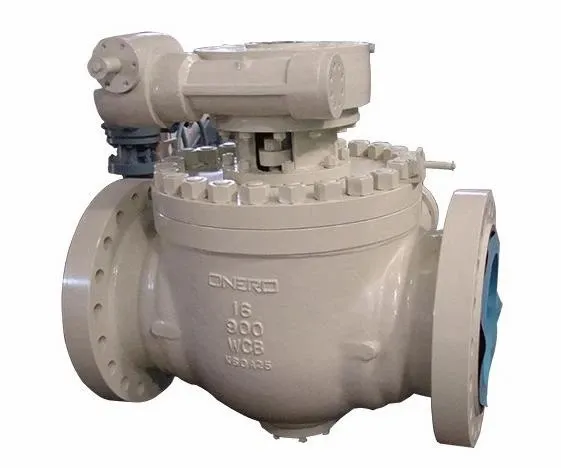
Top Entry Ball Valve
Company Profile
Onero Valve Corporation, founded in 1986, is located in Yongjia County, Zhejiang Province, where is known as "Chinese township of pumps and valves ". Onero Valve Corporation focused on ball valve products manufacturing more than 20 years. And the registered capital has 7.3 million dollars. Our company is one of the earliest ball valve manufacturers in Wenzhou.
Onero Valve Corporation Currently has two production bases, all kinds of technical personnel 40 people, and more than 140 employees. The factory has a full range of equipment, and there are specialized in processing, batching, assembly, testing ,painting and boxing personnel, who strictly control the process.


Why choose us?
High quality
Our products are manufactured or executed to very high standards, using the finest materials and manufacturing processes.
Professional team
Our professional team collaborate and communicate effectively with one another, and are committed to delivering high-quality results. They are capable of handling complex challenges and projects that require their specialized expertise and experience.
Rich experience
Our company has many years of production work experience. The concept of customer-oriented and win-win cooperation makes the company more mature and stronger.
One-stop solution
We can offer a range of services, from consultation and advice to product design and delivery. It is a convenience for the customers, as they can get all the help they need in one place.
What is Top Entry Ball Valve
A Top Entry Ball Valve is a type of valve that allows fluid to flow in one direction or another, depending on how the valve is opened or closed. The term "top entry" refers to the fact that the ball of the valve is accessed and manipulated from the top of the valve body.
In a top entry ball valve, the ball is located at the top of the valve body and is rotated to open or close the valve. The ball has holes, or ports, that allow fluid to pass through the valve when it is open. When the ball is rotated to a closed position, the ports are no longer aligned, and fluid cannot flow through the valve.
Benefits of Top Entry Ball Valve
Easy installation and maintenance
The top entry design of the ball valve allows for quick and easy installation. It also facilitates easy maintenance and inspection, as the valve internals are easily accessible. This reduces downtime and maintenance costs, making it a cost-effective solution.
Precise control
The ball valve provides precise control of fluid flow through the valve. The ball is rotated to open or close the valve, allowing for precise control of fluid flow. This makes it suitable for applications where precise control of fluid flow is required.
High pressure rating
The top entry ball valve can handle high pressure applications. It is typically made of robust materials such as stainless steel or carbon steel, which can withstand high pressure and temperature conditions.
Corrosion resistance
The top entry ball valve is often coated with corrosion-resistant materials such as epoxy paint or stainless steel, making it suitable for harsh environments. This ensures that the valve remains functional and reliable in corrosive environments.
Long service life
The top entry ball valve is designed for long service life. Its robust construction and corrosion resistance ensure that it remains functional and reliable even in harsh conditions. This reduces the frequency of maintenance and replacement, saving costs in the long run.
Versatility
The top entry ball valve is versatile and can be used in a wide range of applications. It can be used to control the flow of various fluids such as water, gas, and oil. It can also be used in various industries such as chemical, pharmaceutical, and food processing.
Types of Top Entry Ball Valve
Full port ball valve
As the name suggests, a full port ball valve has a ball that allows for unrestricted fluid flow when the valve is open. This type of valve is ideal for applications where maximum flow capacity is required.
Reduced port ball valve
A reduced port ball valve has a smaller ball diameter than a full port valve, resulting in slightly lower flow rates. However, reduced port ball valves are often less expensive and lighter in weight than full port valves.
3-way ball valve
A 3-way ball valve has three ports, allowing fluid to flow in three different directions. This type of valve is commonly used in applications where multiple flow paths are required.
Double offset ball valve
A double offset ball valve has a ball with two offset holes that allow for improved flow characteristics and reduced wear on the valve seats. This type of valve is commonly used in high-pressure applications.
V-ball valve
A V-ball valve has a ball with a v-shaped hole that allows for improved flow control and regulation. This type of valve is commonly used in applications where precise control of fluid flow is required.
Lockable ball valve
A lockable ball valve has an additional mechanism that locks the valve in either the open or closed position. This type of valve is commonly used in applications where security or safety is a concern.
Material of Top Entry Ball Valve
Top entry ball valves can be made from a variety of materials, depending on the specific application requirements. Here are some of the most common materials used to manufacture top entry ball valves:
Stainless steel: Stainless steel is a popular choice for manufacturing top entry ball valves due to its excellent corrosion resistance and high strength. It is commonly used in applications where the valve will be exposed to harsh chemicals or high-temperature environments.
Carbon steel: Carbon steel is another commonly used material for manufacturing top entry ball valves. It is less expensive than stainless steel but still provides good strength and durability. Carbon steel is commonly used in applications where the valve will be exposed to abrasive substances or high pressure.
Plastic: Plastic is a lightweight and inexpensive material commonly used for manufacturing small diameter top entry ball valves. It is often used in low-pressure applications where the valve will not be exposed to harsh chemicals or high temperatures.
Aluminum: Aluminum is a lightweight and durable material commonly used for manufacturing top entry ball valves. It is often used in applications where the valve will be exposed to corrosive substances or high temperatures.
Bronze: Bronze is a copper alloy that provides excellent corrosion resistance and is commonly used for manufacturing top entry ball valves. It is often used in applications where the valve will be exposed to saltwater or other corrosive environments.
The material used to manufacture a top entry ball valve will depend on the specific application requirements, including pressure, temperature, and exposure to corrosive substances. It is important to choose the right material for the application to ensure the valve performs reliably and safely.
Application of Top Entry Ball Valve
Oil and gas industry
Top entry ball valves are commonly used in the oil and gas industry to regulate the flow of oil, gas, and other hydrocarbons. They are used in drilling rigs, refineries, and pipelines to prevent the backflow of fluids and to isolate equipment during maintenance and repair.
Chemical processing industry
Top entry ball valves are used in the chemical processing industry to regulate the flow of corrosive and hazardous chemicals. They are designed with robust materials such as stainless steel and epoxy coatings to provide excellent corrosion resistance and protection against leaks and spills.
Water treatment plants
Top entry ball valves are used in water treatment plants to regulate the flow of water and to prevent contamination. They are used in filtration systems, reverse osmosis plants, and water distribution systems to ensure safe and clean water supply.
Pharmaceutical industry
Top entry ball valves are used in the pharmaceutical industry to regulate the flow of chemicals and gases during the production of drugs and medications. They are designed with precision to ensure accurate dosing and consistent quality of the products.
Food and beverage industry
Top entry ball valves are used in the food and beverage industry to regulate the flow of liquids, gases, and steam during the production of food and beverages. They are used in brewing, distilling, and bottling processes to ensure quality and safety of the products.
HVAC systems
Top entry ball valves are used in heating, ventilation, and air conditioning (HVAC) systems to regulate the flow of air, water, and steam. They are used in boilers, radiators, and air conditioning units to maintain optimal temperature and humidity levels in buildings and facilities.
Design and engineering
The first step in the production process is to design and engineer the valve to meet the specific requirements of the application. This involves determining the size, material, pressure rating, and other specifications of the valve.
Material selection
Once the design is complete, the appropriate material is selected based on the application requirements. Common materials used for top entry ball valves include stainless steel, carbon steel, plastic, aluminum, and bronze.
Fabrication
The valve body is then fabricated using the selected material. This involves cutting, bending, and welding the metal components to form the valve body.
Machining
The valve body and other components are then machined to achieve the required dimensional accuracy and surface finish. This includes drilling and threading the holes for the valve stem and other components.
Assembly
The valve components, including the ball, stem, and seats, are then assembled onto the valve body. The ball is inserted into the valve body and secured in place with the stem. The seats are then installed onto the valve body to create a seal between the ball and the valve body.
Testing
Once the valve is assembled, it undergoes rigorous testing to ensure that it meets the required specifications and standards. This includes pressure testing, leakage testing, and visual inspection.
Finishing
Finally, the valve is finished with paint or other protective coatings to prevent corrosion and ensure long-lasting performance. The valve is then packaged and ready for shipment to the customer.
Valve body
The valve body is the main component of the valve and is responsible for containing the fluid or gas being regulated. It is typically made of durable materials such as stainless steel, carbon steel, or plastic, and is designed to withstand high pressure and temperature.
Ball
The ball is the most critical component of the valve and is responsible for controlling the flow of fluid or gas through the valve. It is a solid sphere with a hole drilled through the center, which allows fluid or gas to pass through when the valve is open. The ball is typically made of durable materials such as stainless steel or carbon steel.
Valve stem
The valve stem is a long, threaded rod that connects the ball to the valve handle. It is responsible for rotating the ball within the valve body to open or close the valve. The valve stem is typically made of stainless steel or other durable materials.
Seats
The seats are sealing components that create a seal between the ball and the valve body when the valve is closed. They are typically made of soft materials such as Teflon or PTFE, which can compress against the ball to create a tight seal.
Valve handle
The valve handle is a manual or automated device used to rotate the valve stem and open or close the valve. Manual valve handles are typically made of metal or plastic and require human intervention to operate. Automated valve handles use electrical or hydraulic power to operate the valve automatically.
End connections
The end connections are the parts of the valve that connect it to pipes or other equipment. They are typically threaded or welded onto the valve body and are available in various sizes and shapes to accommodate different types of pipe connections.
Pressure seat
The pressure seat is an additional sealing component that is used in high-pressure applications. It is located behind the primary seat and provides additional support to prevent leaks at high pressure.
Products Description
Regular inspection
Regularly inspect the valve for any signs of damage or wear and tear. Check for leaks, corrosion, and damage to the valve stem and handle. If any issues are found, address them immediately to prevent further damage.
Clean the valve
Clean the valve regularly to remove any debris, dirt, or sediment that may have accumulated inside the valve. Use a soft brush and mild cleaning solution to clean the valve body and stem. Do not use abrasive materials that may damage the valve surface.
Lubricate the valve
Lubricate the valve stem and handle regularly to ensure smooth operation of the valve. Use a lubricant specifically designed for industrial valves. Avoid using oil or grease, as they can attract dust and dirt.
Replace worn out components
Replace worn-out components such as valve seats, stem seals, and gaskets to ensure the valve's tightness and prevent leaks. Always replace the components with the ones recommended by the manufacturer.
Test the valve
Test the valve regularly to ensure it is working correctly. Close and open the valve a few times to check for any sticking or binding. Also, perform pressure testing to check for leaks.
Store properly
When not in use, store the valve properly to prevent damage. Keep it in a dry and dust-free place, and cover it with a protective cap to protect it from the elements.
Follow manufacturer's instructions
Always follow the manufacturer's instructions for maintenance and operation of the valve. The manufacturer may provide specific maintenance schedules and procedures for optimal performance.
A top entry ball valve operates on a simple principle that allows it to control the flow of fluid or gas in an industrial setting. Here is a detailed explanation of the working principle of a top entry ball valve:
Valve structure: A top entry ball valve consists of a valve body, a ball, a valve stem, seats, and a valve handle. The valve body houses the ball, which has a hole drilled through its center. The valve stem connects the ball to the valve handle and allows the ball to rotate within the valve body. The seats create a seal between the ball and the valve body when the valve is closed.
Valve position: When the valve handle is turned to the open position, the valve stem rotates the ball within the valve body until the hole in the ball is aligned with the inlet and outlet of the valve. This allows fluid or gas to flow through the valve freely.
Shutting off flow: When the valve handle is turned to the closed position, the valve stem rotates the ball until the hole is perpendicular to the inlet and outlet of the valve. This prevents fluid or gas from flowing through the valve, effectively shutting off the flow.
Sealing mechanism: The seats create a seal between the ball and the valve body when the valve is closed. The seats are typically made of soft materials such as Teflon or PTFE, which compress against the ball to create a tight seal. This ensures that the valve closes tightly and prevents any leaks.
Pressure rating: The pressure rating of a top entry ball valve indicates the maximum pressure it can withstand without leaking or bursting. The valve's design and materials used determine its pressure rating. It is crucial to choose the right pressure rating for the application to prevent any accidents or damage.
The working principle of a top entry ball valve involves aligning the hole in the ball with the inlet and outlet of the valve to allow fluid or gas to flow through, and rotating the ball until the hole is perpendicular to the inlet and outlet to shut off the flow. The seats create a seal between the ball and the valve body when the valve is closed to prevent any leaks. The pressure rating of the valve determines its ability to withstand pressure without leaking or bursting.
How to Choose a Top Entry Ball Valve
Material selection
Valves come in various materials, such as stainless steel, carbon steel, and plastic. Choose a material based on the type of fluid or gas you will be handling, the pressure and temperature requirements, and the environment in which the valve will be used. For example, stainless steel is suitable for corrosive media, while carbon steel is ideal for high-temperature applications.
Size and connection type
The size and connection type of the valve must match the piping system. Measure the inner diameter and length of the pipe and select a valve with a matching socket or threaded connection. Flanged connections are also common and offer high-pressure resistance.
Design and actuation
Consider the design and actuation of the valve based on your application needs. A two-way valve allows fluid to flow in one direction, while a three-way valve allows flow in two directions. Manual, pneumatic, and electric actuators are available, each with its advantages and disadvantages.
Pressure and temperature ratings
Check the pressure and temperature ratings of the valve to ensure it can handle the media it will be exposed to. The valve should be able to withstand the maximum pressure and temperature required for the application without failing.
Valve trim
The valve trim includes components such as seats, stem, and ball, which come into contact with the media. Select valve trim compatible with the media to prevent premature failure due to corrosion or erosion.
Fire safety
If the valve is exposed to fire, choose a valve with fire-safe properties. Fire-safe valves have additional sealing features to prevent leakage in case of fire.
Cost and budget
Consider the cost and budget constraints while choosing a valve. However, do not compromise on quality and safety for the sake of cost. Investing in a high-quality valve can save money in the long run by preventing failures and downtime.
Supplier and manufacturer
Choose a reputable supplier and manufacturer who can provide high-quality products and technical support. Look for certifications such as ISO 9001, API 6D, and CE marking, which indicate that the valve meets industry standards.
Certifications


Our Factory
The main products are ball valves,which it has been granted with certifications including ISO, API, ANSI, BS, JIS, EN, GB, ASME etc. Our product specifications are applied from DN15-DN1400, working pressure from 0.1Mpa to 42Mpa,and the temperature from -196-680℃. We can choose various materials according to customers' requirements.


FAQ
Hot Tags: top entry ball valve, China top entry ball valve manufacturers, suppliers, factory, ball valve for valve packing, Three Way Ball Valve, Stainless Steel Fixed Ball Valve, jacketed valves, top entry valve, Carbon Steel Lockable Ball Valve
Previous
Wafer Ball ValveYou Might Also Like




Send Inquiry