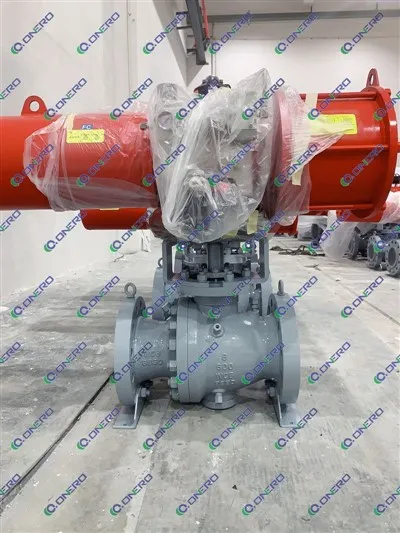
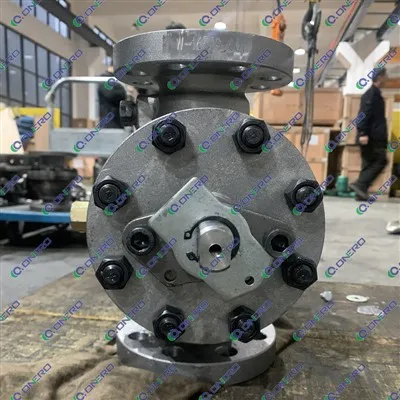
Are jacket ball valves resistant to wear and tear?
As a supplier of jacket ball valves, I often encounter inquiries from customers regarding the wear - and - tear resistance of these valves. In this blog, I will delve into the factors that contribute to the wear - and - tear resistance of jacket ball valves, and also provide insights into how they compare with other types of ball valves in the market.
Understanding Jacket Ball Valves
Jacket ball valves are a specialized type of ball valve that feature a jacket around the valve body. This jacket can be used for various purposes, such as heating or cooling the medium flowing through the valve. The basic structure of a jacket ball valve consists of a ball with a hole in the middle, which rotates to control the flow of fluid. When the hole in the ball aligns with the pipeline, the valve is open, allowing fluid to pass through. When the ball is rotated 90 degrees, the hole is perpendicular to the pipeline, and the valve is closed.
Factors Affecting Wear and Tear Resistance
Material Selection
The materials used in the construction of jacket ball valves play a crucial role in determining their wear - and - tear resistance. For the ball and seat, common materials include stainless steel, carbon steel, and various alloys. Stainless steel is a popular choice due to its excellent corrosion resistance and hardness. It can withstand the abrasive action of the fluid, especially in applications where the fluid contains solid particles.
For example, in the chemical industry, where aggressive chemicals are often transported, stainless - steel jacket ball valves are preferred. The high - quality stainless steel used in our valves provides a smooth surface finish, which reduces friction between the ball and the seat, minimizing wear over time.
Carbon steel is another option, which is known for its strength. However, it may require additional coatings or treatments to enhance its corrosion and wear resistance. Alloys, on the other hand, can be tailored to specific applications, offering a combination of properties such as high strength, hardness, and corrosion resistance.
Design Features
The design of jacket ball valves also impacts their wear - and - tear resistance. A well - designed valve will have proper clearances between the ball and the seat. If the clearance is too large, the valve may leak, and if it is too small, excessive friction can occur, leading to accelerated wear.

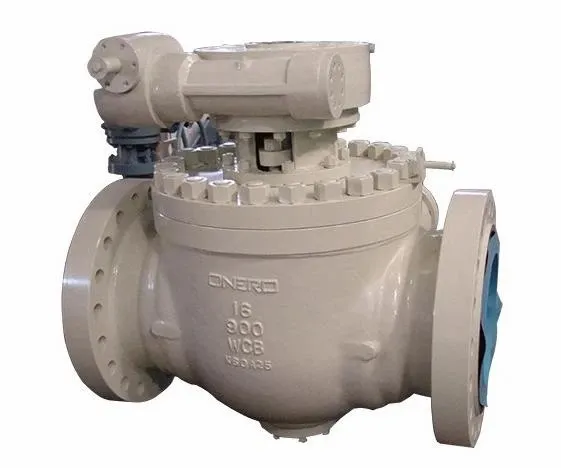
Our jacket ball valves are designed with precision to ensure optimal clearances. Additionally, the use of advanced sealing technologies, such as spring - loaded seats, helps to maintain a tight seal even as the valve experiences normal wear. The spring - loaded seats can compensate for any minor wear on the ball and seat surfaces, extending the service life of the valve.
Operating Conditions
The operating conditions of the valve are perhaps the most significant factor affecting wear and tear. The type of fluid flowing through the valve, its temperature, pressure, and flow rate all play a role. High - velocity fluids can cause more wear on the valve components, especially if the fluid contains abrasive particles.
In applications with high - temperature fluids, thermal expansion and contraction can also affect the valve's performance. Our jacket ball valves are designed to handle a wide range of operating conditions. The jacket can be used to maintain a stable temperature, reducing the impact of thermal stress on the valve components.
Comparison with Other Ball Valves
4 Way Stainless Steel Ball Valve
A 4 Way Stainless Steel Ball Valve offers multiple flow paths, which is useful in complex piping systems. However, the additional flow paths can sometimes lead to more complex flow patterns, which may increase the risk of wear.
Jacket ball valves, on the other hand, are more focused on controlling the flow of a single medium while providing the option of temperature control. In terms of wear - and - tear resistance, both types of valves can be highly resistant if properly designed and made from high - quality materials. But the specific application will determine which valve is more suitable. For applications where temperature control is crucial, jacket ball valves are the better choice.
Top Entry Metal Seated Ball Valve
Top Entry Metal Seated Ball Valves are known for their durability and ability to handle high - pressure and high - temperature applications. The metal seats provide a robust sealing mechanism.
Jacket ball valves can also be designed with metal seats, and they offer the added advantage of temperature control. In terms of wear and tear, both types of valves can withstand harsh operating conditions. However, the jacket in our jacket ball valves can protect the valve components from extreme temperature variations, which can contribute to longer service life.
Top Entry Ball Valve
Top Entry Ball Valves are easy to maintain as they can be serviced from the top without removing the valve from the pipeline. While they share some similarities with jacket ball valves in terms of basic functionality, the jacket in jacket ball valves provides an extra layer of protection.
The temperature - control feature of jacket ball valves can prevent thermal expansion - related wear, which is a common issue in top - entry ball valves operating in high - temperature environments.
Real - World Applications
In the oil and gas industry, jacket ball valves are widely used in pipelines for transporting crude oil and natural gas. The fluid often contains sand and other solid particles, which can cause significant wear on the valves. Our jacket ball valves, with their wear - resistant materials and well - designed structures, can withstand the abrasive action of the fluid for extended periods.
In the food and beverage industry, where hygiene is of utmost importance, stainless - steel jacket ball valves are used. The smooth surface of the stainless steel not only meets the hygiene requirements but also resists wear from the flowing product. The jacket can be used to maintain the temperature of the food or beverage, ensuring product quality.
Testing and Quality Assurance
To ensure the wear - and - tear resistance of our jacket ball valves, we conduct rigorous testing. We use a variety of test methods, including abrasion testing, where the valve is exposed to a simulated abrasive environment. This helps us to evaluate the performance of the valve under different conditions and make any necessary improvements.
In addition, we follow strict quality - control procedures throughout the manufacturing process. From the selection of raw materials to the final assembly, every step is carefully monitored to ensure that our valves meet the highest standards of quality and wear - and - tear resistance.
Conclusion
In conclusion, jacket ball valves can be highly resistant to wear and tear when they are made from high - quality materials, have a well - designed structure, and are used in appropriate operating conditions. Our company, as a supplier of jacket ball valves, is committed to providing products that offer long - term reliability and performance.
If you are in the market for jacket ball valves or have any questions about their wear - and - tear resistance, we encourage you to contact us for a detailed discussion. Our team of experts can help you select the right valve for your specific application and provide you with all the information you need for a successful purchase.
References
- Valve Handbook, Second Edition by Robert W. Fischer and Richard A. Stasiak
- Handbook of Valves: Selection, Specification, and Installation by H. S. K. Rao