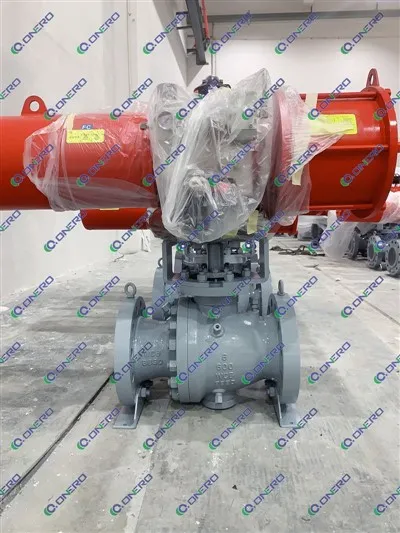
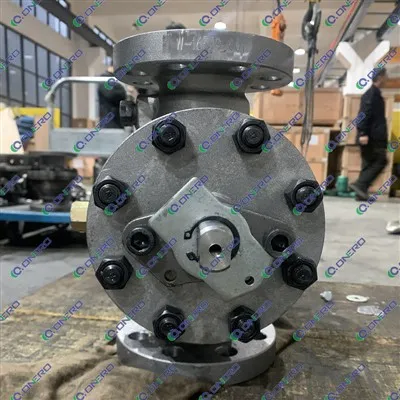
Ensuring the safety of using a top entry ball valve is of paramount importance in various industrial applications. As a supplier of top entry ball valves, I understand the significance of safety and the role these valves play in maintaining the integrity of fluid control systems. In this blog post, I will share some key strategies and best practices to ensure the safe use of top entry ball valves.
Understanding the Top Entry Ball Valve
Before delving into safety measures, it's essential to have a clear understanding of what a top entry ball valve is. A top entry ball valve is a type of quarter - turn valve that uses a spherical disc (the ball) to control the flow of fluid. The unique feature of a top entry ball valve is that the valve body can be accessed from the top, which simplifies maintenance and repair procedures. This design allows for easy removal and replacement of internal components without the need to remove the entire valve from the pipeline.


There are different types of top entry ball valves available in the market, such as the Top Entry Trunnion Ball Valve. Trunnion - mounted ball valves are suitable for high - pressure and large - diameter applications. They have a trunnion, which is a shaft that supports the ball, reducing the operating torque required to open and close the valve.
Another type is the Jacket Ball Valve. Jacket ball valves are designed with a jacket around the valve body, which can be used to circulate a heating or cooling medium. This is useful in applications where the temperature of the fluid needs to be controlled.
The 2 Inch Stainless Lockable Ball Valve is a smaller - sized valve made of stainless steel, which offers corrosion resistance and can be locked in the open or closed position for added safety.
Proper Installation
The first step in ensuring the safety of using a top entry ball valve is proper installation. Incorrect installation can lead to leaks, valve failure, and even safety hazards. Here are some installation guidelines:
- Select the Right Location: Choose a location that allows easy access for operation, maintenance, and inspection. The valve should be installed in a well - ventilated area to prevent the accumulation of hazardous gases.
- Align the Valve Correctly: Ensure that the valve is properly aligned with the pipeline. Misalignment can cause stress on the valve body and seals, leading to leaks. Use appropriate flanges or welding techniques to connect the valve to the pipeline.
- Follow Manufacturer's Instructions: Always follow the manufacturer's installation instructions. These instructions provide detailed information on torque values for bolts, proper handling of seals, and other important installation steps.
Regular Maintenance
Regular maintenance is crucial for the safe operation of top entry ball valves. Here are some maintenance tasks that should be performed:
- Inspection: Regularly inspect the valve for signs of wear, corrosion, or damage. Check the valve body, seals, ball, and stem for any visible defects. Look for leaks around the valve flanges, bonnet, and stem packing.
- Lubrication: Lubricate the valve stem and other moving parts as recommended by the manufacturer. Proper lubrication reduces friction and wear, ensuring smooth operation of the valve.
- Seal Replacement: Replace the valve seals at regular intervals to prevent leaks. Over time, seals can deteriorate due to exposure to chemicals, high temperatures, or mechanical stress.
- Testing: Periodically test the valve to ensure that it is functioning properly. This can include pressure testing, leak testing, and operational testing. Pressure testing helps to verify the integrity of the valve under normal and abnormal operating conditions.
Operator Training
Proper operator training is essential for the safe use of top entry ball valves. Operators should be trained on the following aspects:
- Valve Operation: Teach operators how to properly open and close the valve. They should understand the correct sequence of operations and the maximum operating torque required.
- Safety Procedures: Train operators on safety procedures, such as how to handle emergencies, how to shut off the valve in case of a leak or other hazardous situations, and how to use personal protective equipment (PPE).
- Maintenance Awareness: Make operators aware of the importance of regular maintenance and how to identify signs of valve problems. They should be able to report any issues promptly to the maintenance team.
Pressure and Temperature Considerations
Top entry ball valves are designed to operate within specific pressure and temperature ranges. Exceeding these ranges can cause the valve to malfunction or fail. Here are some considerations:
- Pressure Rating: Ensure that the valve's pressure rating is suitable for the application. The pressure rating of the valve should be higher than the maximum operating pressure of the system.
- Temperature Rating: Similarly, the valve's temperature rating should be compatible with the operating temperature of the fluid. High temperatures can cause the valve materials to expand, leading to leaks or reduced valve performance. Low temperatures can make the valve materials brittle, increasing the risk of cracking.
Emergency Preparedness
Despite all the preventive measures, emergencies can still occur. It is important to have an emergency preparedness plan in place. Here are some steps to consider:
- Shut - off Procedures: Develop clear shut - off procedures for the valve in case of an emergency. Operators should know how to quickly and safely close the valve to prevent the release of hazardous fluids.
- Emergency Response Equipment: Have emergency response equipment, such as spill containment materials, fire extinguishers, and first - aid kits, readily available near the valve location.
- Training on Emergency Response: Train operators on emergency response procedures, including how to use the emergency response equipment and how to communicate with emergency services.
Monitoring and Automation
In modern industrial applications, monitoring and automation can enhance the safety of using top entry ball valves. Here are some ways:
- Remote Monitoring: Use sensors and monitoring systems to remotely monitor the valve's operating parameters, such as pressure, temperature, and position. This allows for early detection of potential problems and enables proactive maintenance.
- Automated Control: Implement automated control systems to ensure that the valve operates within the specified parameters. For example, an automated system can shut off the valve if the pressure or temperature exceeds the safe limits.
Quality Assurance
As a top entry ball valve supplier, quality assurance is a top priority. We ensure that our valves are manufactured to the highest standards. Here are some quality control measures we implement:
- Material Selection: Use high - quality materials for the valve body, ball, seals, and other components. The materials should be compatible with the fluid being handled and the operating conditions.
- Manufacturing Processes: Employ advanced manufacturing processes to ensure the precision and reliability of the valves. This includes machining, heat treatment, and surface finishing.
- Testing and Certification: Conduct rigorous testing on all valves before they are shipped to the customers. Our valves are certified to meet international standards, such as API, ASME, and ISO.
Conclusion
Ensuring the safety of using a top entry ball valve requires a comprehensive approach that includes proper installation, regular maintenance, operator training, and emergency preparedness. By following these strategies and best practices, you can minimize the risk of valve failure and ensure the safe and efficient operation of your fluid control systems.
If you are in the market for high - quality top entry ball valves, we are here to help. Our team of experts can assist you in selecting the right valve for your application and provide you with all the necessary support and guidance. Contact us today to start a procurement discussion and find the best solution for your needs.
References
- API Standards for Ball Valves
- ASME Pressure Vessel and Piping Codes
- ISO Quality Management Standards