As a supplier of four - port valves, I often get asked about the wear - resistance properties of these essential components. Wear resistance is a critical factor in the performance and longevity of any valve, and four - port valves are no exception. In this blog, we will delve deep into the wear - resistance properties of four - port valves, exploring the factors that influence it, the materials used, and how it impacts the overall functionality of the valve.
Factors Affecting the Wear - Resistance of Four - Port Valves
Flow Rate and Pressure
The flow rate and pressure of the fluid passing through the four - port valve play a significant role in determining its wear resistance. High - flow rates can cause increased erosion as the fluid moves rapidly across the valve surfaces. Similarly, high pressures can lead to more significant forces acting on the valve components, increasing the likelihood of wear. For instance, in industrial applications where fluids are pumped at high velocities and pressures, such as in oil and gas pipelines, the wear on the valve surfaces can be substantial.
Fluid Properties
The nature of the fluid being controlled by the four - port valve is another crucial factor. Abrasive fluids, such as those containing solid particles or slurries, can cause severe wear on the valve surfaces. Chemical composition also matters; corrosive fluids can eat away at the valve materials over time, reducing their wear resistance. For example, in mining operations, where slurries with high concentrations of abrasive minerals are transported, the valves need to be highly resistant to both abrasion and corrosion.
Valve Design
The design of the four - port valve can either enhance or detract from its wear - resistance properties. A well - designed valve will have smooth internal surfaces that minimize turbulence and reduce the impact of the fluid on the valve components. Additionally, proper sealing mechanisms can prevent leakage and reduce the exposure of the valve surfaces to the fluid, thereby reducing wear. For example, valves with optimized flow paths can distribute the fluid evenly, reducing the localized wear that can occur in poorly designed valves.
Materials Used for Wear - Resistant Four - Port Valves
Metals
Metals are commonly used in the construction of four - port valves due to their strength and durability. Stainless steel is a popular choice as it offers good corrosion resistance and can withstand high pressures. It is also relatively resistant to abrasion, making it suitable for a wide range of applications. For more demanding applications, such as those involving highly abrasive fluids, alloys like tungsten carbide can be used. Tungsten carbide is extremely hard and wear - resistant, but it is also more expensive.
Ceramics
Ceramics are another material option for four - port valves. They are known for their excellent wear resistance, especially against abrasive fluids. Ceramics can withstand high temperatures and are chemically inert, making them suitable for applications where corrosion is a concern. However, ceramics are brittle and can be prone to cracking under high - impact forces, so they need to be carefully designed and installed.
Polymers
Polymers can be used in the construction of valve seats and seals. They offer good chemical resistance and can provide a tight seal, reducing leakage. Some polymers, such as PTFE (polytetrafluoroethylene), are also relatively wear - resistant. However, polymers may not be suitable for high - temperature or high - pressure applications as they can deform or degrade under these conditions.
Impact of Wear Resistance on Valve Functionality
Leakage
Wear on the valve surfaces can lead to leakage, which can be a significant problem in many applications. Leakage not only results in the loss of fluid but can also pose safety risks, especially in applications involving hazardous materials. A four - port valve with good wear - resistance properties will maintain a tight seal over its service life, reducing the likelihood of leakage.
Flow Control
As the valve surfaces wear, the accuracy of flow control can be compromised. Irregular wear can cause changes in the valve's internal geometry, leading to inconsistent flow rates. This can be a problem in applications where precise flow control is required, such as in chemical processing plants. A wear - resistant valve will ensure that the flow control remains accurate and reliable.
Maintenance and Replacement
Valves with poor wear - resistance properties will require more frequent maintenance and replacement. This can result in increased downtime and higher costs for the end - user. By using a four - port valve with excellent wear - resistance, the maintenance intervals can be extended, and the overall cost of ownership can be reduced.


Our Four - Port Valve Offerings
At our company, we offer a wide range of four - port valves designed with wear resistance in mind. Our valves are available in different materials and configurations to suit various applications. Whether you need a valve for a high - pressure, high - flow application or one that can handle abrasive or corrosive fluids, we have the solution for you.
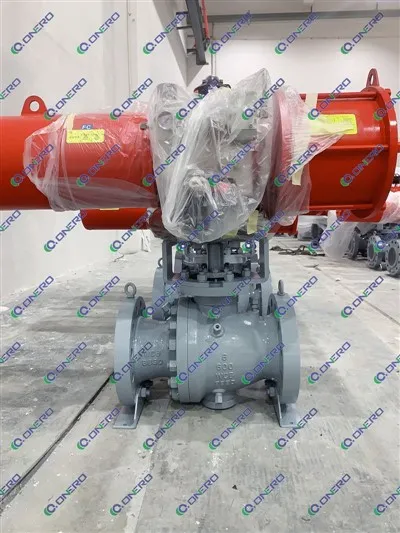
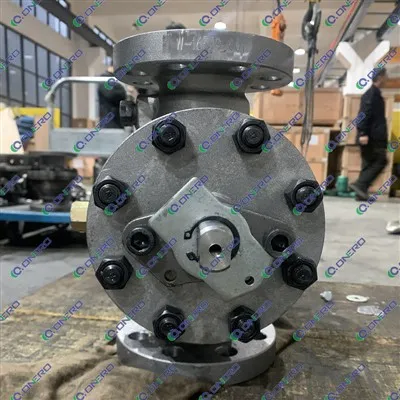
We also offer Top Entry Metal Seated Ball Valve, which are known for their excellent wear - resistance and reliable performance. These valves are designed with a metal seat that provides a tight seal and can withstand high temperatures and pressures. Our Top Entry Trunnion Ball Valve are another option, offering enhanced stability and wear resistance in high - pressure applications. And for applications where a lockable valve is required, our Carbon Steel Lockable Ball Valve provides a secure and wear - resistant solution.
Contact Us for Procurement
If you are in the market for high - quality, wear - resistant four - port valves, we invite you to contact us for procurement. Our team of experts can help you select the right valve for your specific application and provide you with all the information you need. We are committed to providing our customers with the best products and services, and we look forward to working with you to meet your valve needs.
References
- ASME B16.34 - Valves - Flanged, Threaded, and Welding End.
- API 6D - Pipeline Valves - Specification for Pipeline Valves.
- ISO 5208 - Industrial Valves - Pressure Testing of Valves.