Hey there! I'm a supplier of top entry valves, and I often get asked whether these valves can be used in a vacuum environment. It's a great question, and one that I'm happy to dive into.
Understanding Top Entry Valves
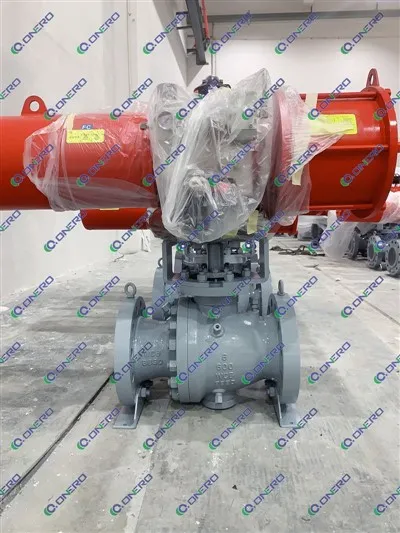
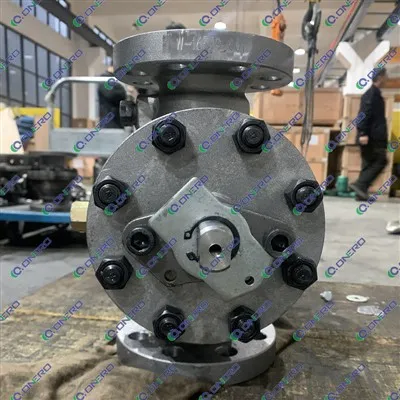
First off, let's understand what a top entry valve is. A top entry valve is designed in such a way that you can access the internal components - like the ball, seats, and stem - from the top of the valve body. This design offers a whole lot of benefits. For maintenance, it's a breeze. You don't have to remove the entire valve from the pipeline to do repairs or inspections; you can just open up the top and get to work.
These valves come in different materials and configurations. We've got Cast Steel Fixed Ball Valve, which are made from cast steel and are known for their strength and durability. And then there are Forged Steel Fixed Ball Valve and Forged Steel Fixed Ball Valve, crafted from forged steel, which offer even greater strength and resistance to high pressures and temperatures.
The Vacuum Environment Challenge
Now, let's talk about vacuum environments. A vacuum is basically a space where the pressure is much lower than the atmospheric pressure. In industrial settings, vacuum environments are used in a variety of processes like distillation, freeze-drying, and semiconductor manufacturing.
Using a valve in a vacuum environment is a bit tricky. The main challenge is to prevent air or other gases from leaking into the vacuum space. If there's a leak, it can mess up the whole process. For example, in semiconductor manufacturing, even a tiny amount of air can contaminate the product and ruin the batch.
Compatibility of Top Entry Valves in a Vacuum
So, can top entry valves handle vacuum environments? The answer is yes, but with some considerations.
Sealing and Leakage
The most crucial aspect is the sealing. In a vacuum, the valve needs to have excellent sealing properties to prevent any ingress of air. Top entry valves can be equipped with high-quality seals. These seals are made from materials like PTFE (polytetrafluoroethylene) or other elastomers that are well-suited for vacuum applications. Our valves are designed with precision to ensure that the seals fit perfectly, creating a tight barrier against air leakage.
Material Selection
The materials used in the valve construction also play a significant role. In a vacuum, certain materials can outgas, which means they release gases over time. This can be a problem as it can contaminate the vacuum environment. We carefully select materials for our top entry valves to minimize outgassing. For instance, the forged and cast steel options we offer have been tested to ensure they meet the requirements for low outgassing.


Design Features
The design of the top entry valve can be optimized for vacuum use. For example, the valve body can be designed to be smooth and free of any cavities or crevices where air can get trapped. Also, the internal parts should be assembled in a way that there are no gaps that could allow air to leak in.
Case Studies
Let's look at a couple of real-world examples. One of our clients was in the food processing industry. They were using a freeze-drying process, which requires a vacuum environment. They initially had some issues with their existing valves leaking air, which was affecting the quality of their freeze-dried products. We provided them with our top entry valves, specifically the Forged Steel Fixed Ball Valve. After installation, the leakage problem was solved, and they saw a significant improvement in the quality of their products.
Another client in the semiconductor industry was facing similar problems. Our Cast Steel Fixed Ball Valve was the solution. The valve's excellent sealing and low outgassing properties made it a perfect fit for their vacuum manufacturing process.
Limitations and Precautions
While top entry valves can work great in vacuum environments, there are some limitations. Extreme vacuum conditions, like ultra-high vacuum (UHV), can be more challenging. In these cases, additional measures might be needed, such as using special coatings or more advanced sealing techniques.
It's also important to regularly inspect and maintain the valves. Over time, the seals can wear out, and there might be other issues that could lead to leakage. Our technical support team can provide you with guidelines on how to properly maintain your valves to ensure they continue to perform well in the vacuum environment.
Conclusion
To sum it all up, top entry valves can be used in a vacuum environment. With the right sealing, material selection, and design features, they can offer reliable performance and help you avoid the problems associated with air leakage.
If you're in need of top entry valves for your vacuum application, don't hesitate to reach out. We've got a wide range of high-quality valves that are designed to meet your specific needs. Whether it's Cast Steel Fixed Ball Valve, Forged Steel Fixed Ball Valve, or Forged Steel Fixed Ball Valve, we've got you covered. Let's start a conversation and see how we can help you with your valve requirements.
References
- ASME standards on valve design and performance
- Industry research on vacuum technology and valve applications
- Internal product testing reports from our company