Can a Ball Valve Flanged Be Used in an Irrigation System?
I'm a supplier of ball valve flanged products, and I often get asked whether these valves are suitable for irrigation systems. In this blog post, I'll explore the feasibility, advantages, and considerations of using flanged ball valves in irrigation setups.
Understanding Flanged Ball Valves
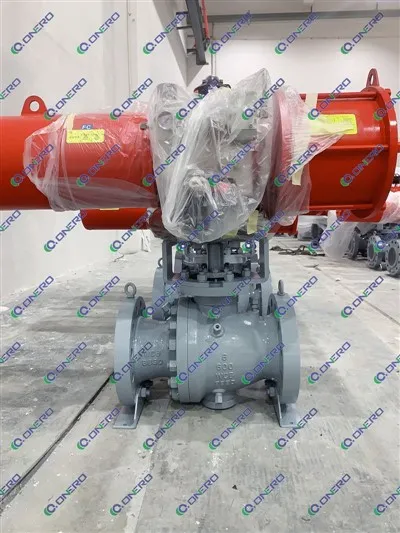
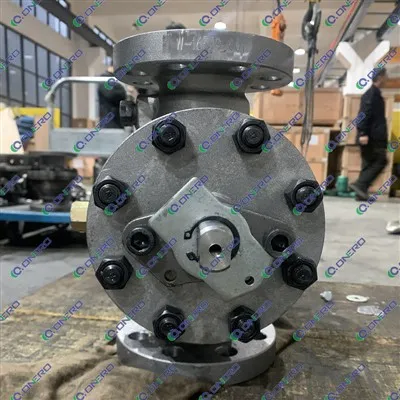
Flanged ball valves are a type of quarter - turn valve. They consist of a spherical disc (the ball) with a hole in the middle. When the valve is open, the hole in the ball aligns with the pipeline, allowing fluid to flow through. When the valve is closed, the ball is rotated a quarter - turn, blocking the flow. The flanged design means that the valve has flanges on either end, which can be bolted to corresponding flanges on the pipes. This provides a secure and leak - resistant connection.


Suitability for Irrigation Systems
Irrigation systems are designed to distribute water efficiently to agricultural fields, gardens, or landscapes. They require valves that can control the flow of water accurately, withstand the water pressure, and be durable over time. Flanged ball valves meet these requirements in several ways.
Firstly, their quarter - turn operation allows for quick and easy opening and closing. In an irrigation system, you may need to start or stop the water flow rapidly, especially when using automated irrigation controllers. A flanged ball valve can be actuated manually or with an electric or pneumatic actuator, providing flexibility in operation.
Secondly, flanged ball valves offer excellent sealing properties. Water leakage in an irrigation system can lead to water waste and uneven watering. The tight seal of a ball valve ensures that water is delivered precisely where it is needed, improving the efficiency of the irrigation system.
Thirdly, these valves can handle a wide range of pressures and temperatures commonly found in irrigation applications. Whether you are dealing with low - pressure drip irrigation or high - pressure sprinkler systems, a flanged ball valve can maintain its performance.
Advantages of Using Flanged Ball Valves in Irrigation
- Durability: Flanged ball valves are typically made of high - quality materials such as stainless steel, brass, or cast iron. These materials are resistant to corrosion, which is crucial in an irrigation environment where water may contain chemicals or minerals that can cause rusting. For example, Forged Steel Fixed Ball Valve is known for its robust construction and long - lasting performance.
- Low Maintenance: The simple design of a ball valve means that there are fewer moving parts compared to other types of valves. This reduces the likelihood of mechanical failure and the need for frequent maintenance. Once installed, a flanged ball valve can operate reliably for years with minimal upkeep.
- Versatility: Flanged ball valves can be used in various parts of an irrigation system, including main supply lines, branch lines, and at the connection points of different components. They can also be used in combination with other valves such as check valves or pressure - reducing valves to create a comprehensive irrigation control system.
Considerations When Using Flanged Ball Valves in Irrigation
- Size Selection: Choosing the right size of the flanged ball valve is crucial. The valve size should match the pipe diameter to ensure proper flow rate and pressure control. An undersized valve can restrict the water flow, while an oversized valve may be more expensive and may not provide accurate flow control.
- Water Quality: Although flanged ball valves are generally resistant to corrosion, extremely poor water quality can still affect their performance. If the water contains a high level of sediment, sand, or debris, it may cause abrasion to the ball and seat of the valve, leading to leakage over time. In such cases, it may be necessary to install a filtration system upstream of the valve.
- Installation: Proper installation is essential for the optimal performance of a flanged ball valve. The flanges must be aligned correctly, and the bolts must be tightened evenly to prevent leaks. It is also important to ensure that the valve is installed in a location where it can be easily accessed for operation and maintenance.
Real - World Applications
In large - scale agricultural irrigation, flanged ball valves are commonly used to control the flow of water from the main water source to different fields. For example, in a vineyard, a series of flanged ball valves can be used to regulate the amount of water supplied to each row of vines. This allows for precise irrigation management, which is essential for the health and productivity of the vines.
In residential and commercial landscaping, flanged ball valves are used in sprinkler systems. They can be installed at the main water supply point or at the connection of different zones in the sprinkler system. This enables the user to turn on or off specific areas of the landscape for watering, saving water and energy.
Conclusion
In conclusion, flanged ball valves are a viable option for use in irrigation systems. Their quick operation, excellent sealing, durability, and versatility make them well - suited for a variety of irrigation applications. However, careful consideration must be given to size selection, water quality, and installation to ensure their long - term performance.
If you are looking for high - quality flanged ball valves for your irrigation system, we are a reliable supplier. Our Forged Steel Fixed Ball Valve and Cast Steel Fixed Ball Valve are designed to meet the demanding requirements of irrigation applications. Contact us for more information and to discuss your specific needs. We are ready to assist you in finding the perfect valve solution for your irrigation system.
References
- "Valve Handbook" by Cameron International Corporation.
- "Irrigation System Design and Management" by various authors in the field of agricultural engineering.