Hey there, fellow valve enthusiasts! As a supplier of 3 way ball valves, I often get asked about the torque requirement for these nifty little devices. So, I thought I'd take a few minutes to break it down for you and give you a better understanding of what goes into determining the right torque for your 3 way ball valve.
First things first, let's talk about what torque is. Torque is basically the force that's needed to turn an object around an axis. In the case of a 3 way ball valve, it's the force required to rotate the ball inside the valve to open, close, or change the flow direction. The torque requirement for a 3 way ball valve can vary depending on a few different factors, such as the size of the valve, the type of material it's made from, the pressure and temperature of the fluid flowing through it, and the type of actuator being used.
One of the biggest factors that can affect the torque requirement for a 3 way ball valve is the size of the valve. Generally speaking, the larger the valve, the more torque it will require to operate. This is because a larger valve has a bigger ball and more surface area for the fluid to push against, which means more force is needed to turn the ball. For example, a 1/2 inch 3 way ball valve might only require a few inch-pounds of torque to operate, while a 6 inch valve could require several hundred inch-pounds.
Another important factor to consider is the type of material the valve is made from. Different materials have different levels of friction and resistance, which can affect the torque requirement. For instance, a valve made from stainless steel might require more torque to operate than one made from brass or PVC, because stainless steel is a harder and more resistant material. Additionally, the finish of the valve can also play a role in the torque requirement. A valve with a smooth finish will generally require less torque to operate than one with a rough or textured finish.
The pressure and temperature of the fluid flowing through the valve can also have a significant impact on the torque requirement. Higher pressures and temperatures can increase the force that the fluid exerts on the ball, which means more torque is needed to turn it. For example, a valve that's operating in a high-pressure steam system might require more torque to operate than one in a low-pressure water system. It's important to take these factors into account when selecting a valve and determining the appropriate torque requirement.
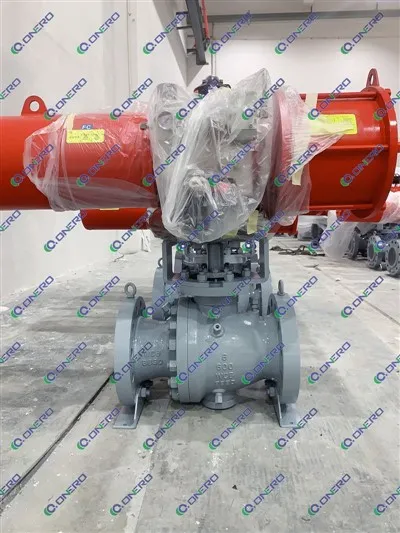
The type of actuator being used to operate the valve is another key consideration. Actuators can be either manual or automated, and each type has its own torque requirements. Manual actuators, such as handwheels or levers, rely on the operator to provide the force needed to turn the valve. The torque requirement for a manual actuator will depend on the size and design of the valve, as well as the strength and dexterity of the operator. Automated actuators, on the other hand, use electric, pneumatic, or hydraulic power to operate the valve. These actuators can provide a much higher level of torque than manual actuators, but they also require more complex installation and maintenance.
So, how do you determine the right torque requirement for your 3 way ball valve? The first step is to consult the valve manufacturer's specifications. Most manufacturers will provide a torque rating for their valves based on the size, material, and operating conditions. This rating will give you a good starting point for determining the appropriate torque requirement.


In addition to the manufacturer's specifications, you may also want to consider conducting a torque test. This involves using a torque wrench to measure the amount of force required to turn the valve. A torque test can help you confirm that the valve is operating within the recommended torque range and can also identify any potential issues, such as excessive friction or binding.
When selecting an actuator for your 3 way ball valve, it's important to choose one that's capable of providing the required torque. Make sure to consider the size and design of the valve, as well as the operating conditions, when selecting an actuator. If you're unsure which actuator is right for your application, don't hesitate to consult with a valve expert or the actuator manufacturer.
At our company, we offer a wide range of 3 way ball valves to meet the needs of various applications. Our valves are available in different sizes, materials, and configurations, and we can also provide custom solutions to meet your specific requirements. Whether you're looking for a Stainless Lockable Ball Valve, a Top Entry Ball Valve, or a 2 Inch Stainless Lockable Ball Valve, we've got you covered.
If you're in the market for a 3 way ball valve and need help determining the right torque requirement or selecting the appropriate actuator, please don't hesitate to reach out to us. Our team of experts is here to assist you and can provide you with all the information and support you need to make an informed decision. We're committed to providing high-quality products and excellent customer service, and we look forward to working with you.
In conclusion, the torque requirement for a 3 way ball valve is an important factor to consider when selecting and operating these valves. By taking into account the size, material, pressure, temperature, and actuator type, you can ensure that your valve is operating safely and efficiently. If you have any questions or need further assistance, please don't hesitate to contact us. We're here to help!
References
- Valve Handbook, 4th Edition, by James F. Carlucci
- Fluid Mechanics and Thermodynamics of Turbomachinery, 4th Edition, by S. L. Dixon and C. A. Hall
- Instrumentation and Control Systems, 3rd Edition, by Tony Davis