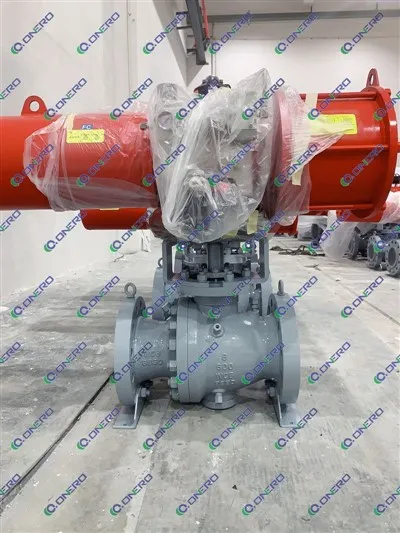
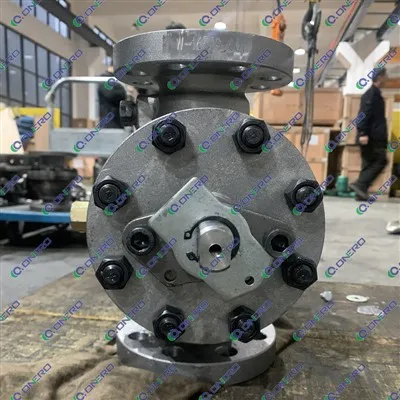
Can a 3 Port Ball Valve be Installed Vertically?
As a supplier of 3 port ball valves, I often encounter questions from customers regarding the installation of these valves. One of the most common queries is whether a 3 port ball valve can be installed vertically. In this blog post, I will delve into this topic, providing a comprehensive analysis based on scientific principles and practical experience.
Understanding the 3 Port Ball Valve
Before discussing the vertical installation of 3 port ball valves, it's essential to understand their basic structure and function. A 3 port ball valve consists of a ball with three ports, which can be rotated to control the flow of fluid through different paths. These valves are widely used in various industries, including chemical processing, oil and gas, and water treatment, due to their versatility and reliability.
The design of a 3 port ball valve allows for three different flow patterns: straight-through, diverting, and mixing. The straight-through pattern is used when the fluid needs to flow directly from one port to another. The diverting pattern is used to redirect the fluid flow to a different port, while the mixing pattern is used to combine fluids from two different ports.
Factors to Consider for Vertical Installation
When considering the vertical installation of a 3 port ball valve, several factors need to be taken into account. These factors include the valve's design, the type of fluid being handled, and the operating conditions.
Valve Design
The design of the 3 port ball valve plays a crucial role in determining whether it can be installed vertically. Some valves are specifically designed for vertical installation, while others may require additional modifications or precautions. For example, valves with a balanced ball design are generally more suitable for vertical installation as they can minimize the effects of gravity on the ball's movement.
Fluid Type
The type of fluid being handled by the valve is another important factor to consider. Some fluids, such as viscous liquids or slurries, may require special considerations when installing the valve vertically. For instance, if the fluid is prone to settling or clogging, a vertical installation may cause the valve to become blocked or malfunction. In such cases, it may be necessary to install the valve horizontally or use a valve with a self-cleaning design.
Operating Conditions
The operating conditions, including pressure, temperature, and flow rate, also need to be considered when installing a 3 port ball valve vertically. High-pressure applications may require additional support or reinforcement to ensure the valve's integrity. Similarly, extreme temperatures can affect the performance of the valve's seals and materials, so it's important to choose a valve that is suitable for the specific temperature range.
Advantages of Vertical Installation
There are several advantages to installing a 3 port ball valve vertically. One of the main advantages is that it can save space, especially in applications where floor space is limited. Vertical installation can also make it easier to access the valve for maintenance and inspection, as the valve is typically mounted at a more convenient height.
In addition, vertical installation can help to prevent air pockets from forming in the valve, which can improve the valve's performance and reduce the risk of cavitation. Cavitation is a phenomenon that occurs when the pressure of the fluid drops below its vapor pressure, causing the formation of vapor bubbles. These bubbles can collapse violently, causing damage to the valve and reducing its lifespan.
Disadvantages of Vertical Installation
Despite the advantages, there are also some disadvantages to installing a 3 port ball valve vertically. One of the main disadvantages is that gravity can affect the movement of the ball, especially in valves with a large ball diameter or a high flow rate. This can cause the ball to become misaligned or stuck, leading to a loss of control over the fluid flow.
Another disadvantage is that vertical installation can make it more difficult to drain the valve, especially if the valve is used in applications where the fluid needs to be completely drained. In such cases, it may be necessary to install a drain valve or a special drainage system to ensure that the valve can be properly drained.
Practical Considerations for Vertical Installation
If you decide to install a 3 port ball valve vertically, there are several practical considerations that you need to keep in mind. These considerations include the following:
Mounting Orientation
When installing the valve vertically, it's important to ensure that the valve is mounted in the correct orientation. The valve's manufacturer will typically provide specific instructions regarding the correct mounting orientation, so it's important to follow these instructions carefully.
Support and Alignment
To prevent the valve from being damaged by vibration or movement, it's important to provide adequate support and alignment. This may involve using brackets, clamps, or other support structures to secure the valve in place.
Sealing and Leakage
Vertical installation can increase the risk of leakage, especially if the valve's seals are not properly installed or maintained. To minimize the risk of leakage, it's important to use high-quality seals and to ensure that they are installed correctly.
Maintenance and Inspection
Regular maintenance and inspection are essential to ensure the proper functioning of the valve. When installing the valve vertically, it's important to ensure that the valve is easily accessible for maintenance and inspection. This may involve providing a platform or ladder for access to the valve.
Conclusion
In conclusion, a 3 port ball valve can be installed vertically, but it's important to consider several factors before doing so. These factors include the valve's design, the type of fluid being handled, and the operating conditions. While vertical installation can offer several advantages, such as space savings and improved performance, it also has some disadvantages, such as the potential for gravity to affect the ball's movement and the difficulty of draining the valve.


As a supplier of 3 port ball valves, I recommend that you consult with a qualified engineer or technician before installing the valve vertically. They can help you to determine whether vertical installation is suitable for your specific application and can provide you with the necessary guidance and support to ensure a successful installation.
If you are interested in purchasing a 3 port ball valve, we offer a wide range of high-quality valves, including Stainless Steel Ball Valve with Drain and Jacket Ball Valve and Jacket Ball Valve. Our valves are designed to meet the highest standards of quality and performance, and we offer competitive prices and excellent customer service. If you have any questions or would like to discuss your specific requirements, please contact us to start a procurement negotiation.
References
- Valve Handbook, by E. Richard Soares
- Fluid Mechanics, by Frank M. White
- Industrial Valves: Selection, Installation, and Maintenance, by James R. Watson