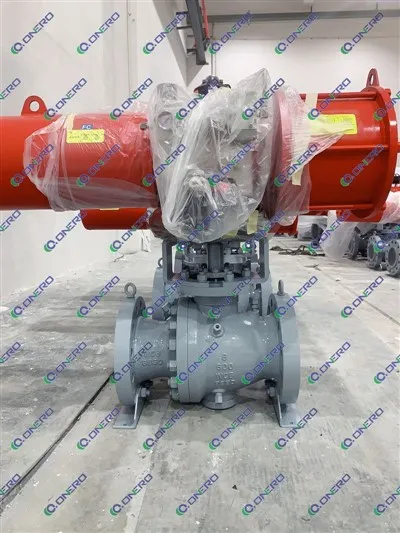
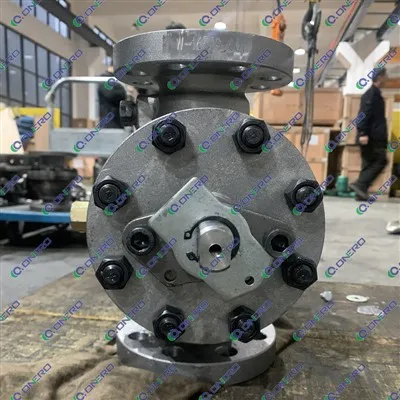
Hey there! As a supplier of Trunnion Ball Valves, I often get asked about the pressure rating of these valves. So, I thought I'd write this blog to break it down for you in a simple and easy - to - understand way.
First off, let's talk about what a Trunnion Ball Valve is. It's a type of valve that uses a ball with a hole in the middle to control the flow of fluids. The ball is supported by trunnions, which are basically shafts that keep the ball in place. This design makes Trunnion Ball Valves great for high - pressure and high - flow applications.
Now, the pressure rating of a Trunnion Ball Valve is a crucial factor. It tells you the maximum pressure that the valve can handle safely without failing. You don't want a valve to burst or leak under high pressure, right? That could lead to all sorts of problems, from minor leaks to major disasters in industrial settings.
There are several things that affect the pressure rating of a Trunnion Ball Valve. One of the main factors is the material the valve is made of. For example, valves made from forged steel are generally stronger and can handle higher pressures compared to those made from other materials. Our Forged Steel Fixed Ball Valve is a great option if you need a valve with a high - pressure rating. Forged steel has a more uniform and dense structure, which gives it better strength and durability under pressure.
Another important factor is the design of the valve. The size of the ball, the thickness of the valve body, and the quality of the seals all play a role in determining the pressure rating. A well - designed Trunnion Ball Valve will have a strong valve body that can withstand the force exerted by the fluid under pressure. The seals also need to be able to maintain a tight seal even at high pressures to prevent leakage.
The manufacturing process also matters a lot. Valves that are manufactured using advanced techniques and strict quality control measures are more likely to have accurate and reliable pressure ratings. At our company, we use state - of - the - art manufacturing processes to ensure that our Trunnion Ball Valves meet the highest standards.
Let's talk about some common pressure ratings for Trunnion Ball Valves. In the industry, you'll often see valves rated for pressures like 150 psi, 300 psi, 600 psi, and even higher. The choice of pressure rating depends on the specific application. For example, in a low - pressure water supply system, a valve with a 150 psi rating might be sufficient. But in an oil and gas pipeline where the pressure can be extremely high, you'll need a valve with a much higher pressure rating, say 600 psi or more.
If you're working in a chemical processing plant, the pressure rating requirements can vary widely depending on the type of chemicals being processed and the operating conditions. Some chemicals can be very corrosive, which means you not only need a valve with a high - pressure rating but also one that is made from a material that can resist corrosion. Our Cast Steel Fixed Ball Valve is a good choice in such situations. Cast steel can be formulated to have good corrosion resistance while still providing a decent pressure - handling capacity.
It's also important to note that the pressure rating of a Trunnion Ball Valve can change over time. Factors like wear and tear, corrosion, and improper installation can all affect the valve's ability to handle pressure. Regular maintenance and inspection are essential to ensure that the valve continues to operate safely within its pressure rating.
When you're choosing a Trunnion Ball Valve, it's not just about the pressure rating. You also need to consider other factors like the size of the valve, the type of end connections (flanged, threaded, etc.), and the temperature range it can handle. These factors all work together to determine the overall performance of the valve in your specific application.
If you're still not sure which pressure rating is right for your project, don't hesitate to reach out to us. Our team of experts has years of experience in the valve industry and can help you make the right choice. We offer a wide range of Forged Steel Fixed Ball Valve options with different pressure ratings to suit your needs.
In conclusion, understanding the pressure rating of a Trunnion Ball Valve is crucial for ensuring the safety and efficiency of your fluid - handling system. By considering factors like material, design, and manufacturing process, you can choose a valve that will perform well under the specific pressure conditions of your application.


If you're in the market for a Trunnion Ball Valve, we'd love to have a chat with you. Whether you're working on a small - scale project or a large industrial installation, we can provide you with the right valve solution. Feel free to contact us to start a discussion about your requirements and let's find the perfect Trunnion Ball Valve for you.
References:
- Valve Handbook, various editions
- Industry standards related to Trunnion Ball Valves