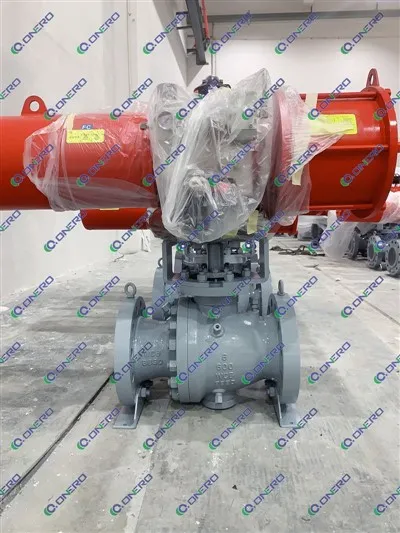
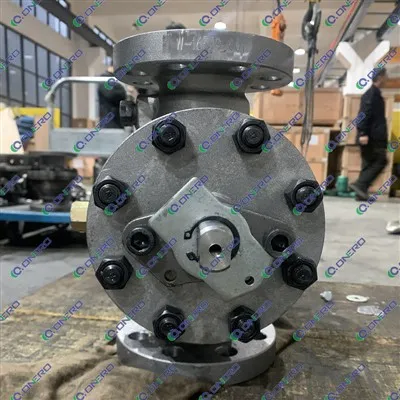
Hey there! As a supplier of top entry valves, I often get asked about the best cleaning agents for these valves. Top entry valves are crucial components in many industrial systems, and keeping them clean is essential for their proper functioning and longevity. In this blog post, I'll share some insights on what cleaning agents are suitable for top entry valves.


Understanding Top Entry Valves
Before we dive into the cleaning agents, let's quickly understand what top entry valves are. Top entry valves are designed in such a way that the valve internals can be accessed from the top of the valve body. This design makes maintenance and inspection relatively easy. They are commonly used in various industries, including oil and gas, chemical processing, and power generation.
Why Cleaning is Important
Cleaning top entry valves is not just about aesthetics. Over time, valves can accumulate dirt, debris, rust, and other contaminants. These deposits can cause several problems, such as reduced valve performance, leakage, and even valve failure. Regular cleaning helps to prevent these issues, ensuring that the valve operates smoothly and efficiently.
Types of Cleaning Agents
There are several types of cleaning agents available, and the choice depends on the type of contaminants and the valve material. Here are some common cleaning agents and their suitability for top entry valves:
1. Water-Based Cleaning Agents
Water-based cleaning agents are a popular choice for cleaning top entry valves. They are relatively inexpensive, environmentally friendly, and easy to use. These agents are effective in removing dirt, dust, and some types of light grease.
-
Advantages:
- Non-toxic and safe for the environment.
- Easy to rinse off, leaving no residue.
- Can be used on a wide range of valve materials, including stainless steel, carbon steel, and brass.
-
Disadvantages:
- May not be effective in removing heavy grease or oil deposits.
- Can cause corrosion if not dried properly, especially on ferrous metals.
2. Solvent-Based Cleaning Agents
Solvent-based cleaning agents are more powerful than water-based agents and are effective in removing heavy grease, oil, and other stubborn contaminants.
-
Advantages:
- High cleaning power, can quickly dissolve tough deposits.
- Evaporate quickly, reducing drying time.
-
Disadvantages:
- Can be flammable and toxic, requiring proper ventilation and safety precautions.
- May damage some valve materials, such as rubber seals and gaskets.
3. Acidic Cleaning Agents
Acidic cleaning agents are used to remove rust, scale, and other mineral deposits from valves. They work by reacting with the metal oxides and dissolving them.
-
Advantages:
- Highly effective in removing rust and scale.
- Can restore the valve surface to its original condition.
-
Disadvantages:
- Can be corrosive to some valve materials, especially if not used correctly.
- Require careful handling and neutralization after use.
4. Alkaline Cleaning Agents
Alkaline cleaning agents are effective in removing grease, oil, and some types of organic contaminants. They work by breaking down the fatty acids in the contaminants.
-
Advantages:
- Mild and less corrosive than acidic agents.
- Can be used on a variety of valve materials.
-
Disadvantages:
- May not be as effective in removing rust and scale.
- Can leave a residue if not rinsed thoroughly.
Choosing the Right Cleaning Agent
When choosing a cleaning agent for your top entry valve, consider the following factors:
- Type of Contaminants: Identify the type of contaminants on the valve. If it's mainly dirt and dust, a water-based agent may be sufficient. For heavy grease and oil, a solvent-based or alkaline agent may be more appropriate. For rust and scale, an acidic agent may be required.
- Valve Material: Different valve materials have different chemical resistances. Make sure the cleaning agent you choose is compatible with the valve material. For example, acidic agents can damage stainless steel if not used correctly, while solvent-based agents can damage rubber seals.
- Environmental and Safety Considerations: Consider the environmental impact and safety requirements of the cleaning agent. Water-based agents are generally the most environmentally friendly and safe to use. If you need to use a solvent-based or acidic agent, make sure you follow the proper safety procedures.
Cleaning Procedures
Once you've chosen the right cleaning agent, follow these general cleaning procedures:
- Isolate the Valve: Before cleaning, make sure the valve is isolated from the system to prevent any fluid flow.
- Disassemble the Valve (if necessary): If the valve has a lot of internal contaminants, it may be necessary to disassemble it for a thorough cleaning. Follow the manufacturer's instructions for disassembly.
- Apply the Cleaning Agent: Use a brush, spray, or immersion method to apply the cleaning agent to the valve surfaces. Make sure to cover all the contaminated areas.
- Let the Agent Work: Allow the cleaning agent to sit on the valve surfaces for the recommended time to dissolve the contaminants.
- Rinse the Valve: After the cleaning agent has worked, rinse the valve thoroughly with clean water to remove the agent and the dissolved contaminants.
- Dry the Valve: Use a clean cloth or compressed air to dry the valve completely. Make sure there is no moisture left, especially in the internal parts.
- Reassemble the Valve (if disassembled): Once the valve is dry, reassemble it following the manufacturer's instructions.
Our Top Entry Valve Products
As a top entry valve supplier, we offer a wide range of high-quality valves to meet your industrial needs. Our valves are made from premium materials and are designed for reliable performance. Check out our Forged Steel Fixed Ball Valve and Forged Steel Fixed Ball Valve for more information. We also have Cast Steel Fixed Ball Valve available.
Contact Us for Procurement
If you're interested in purchasing top entry valves or have any questions about valve cleaning, don't hesitate to contact us. We're here to help you find the right solutions for your industrial applications. Whether you need advice on cleaning agents or want to discuss your valve requirements, our team of experts is ready to assist you.
References
- Valve Handbook, 4th Edition by David W. Miller
- Industrial Valve Maintenance and Repair Guide by John Doe