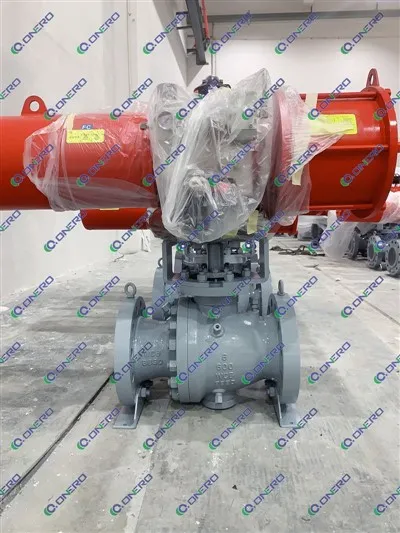
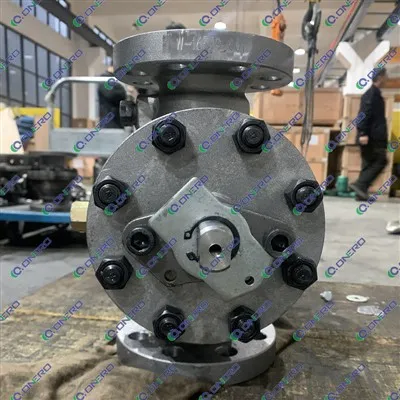
As a supplier of three - way ball valves, I've seen my fair share of issues with these nifty pieces of equipment. Three - way ball valves are super useful in a whole bunch of industries, from oil and gas to water treatment. They can direct flow in different directions, which is pretty handy. But just like any other mechanical device, they can run into problems. Let's take a look at some of the common failures you might encounter with a three - way ball valve.
Leakage
One of the most obvious and annoying failures is leakage. There are a few reasons why a three - way ball valve might start leaking. First off, it could be due to wear and tear on the seals. The seals are there to prevent fluid from escaping, but over time, they can degrade. High - pressure applications, abrasive fluids, or just plain old age can cause the seals to lose their effectiveness.
Another cause of leakage could be damage to the ball itself. If the ball gets scratched or dented, it won't form a proper seal against the seats, and fluid will find its way through. This can happen during installation if the valve isn't handled carefully, or if there are foreign particles in the fluid that can cause damage as they flow through the valve.


And then there's the issue of improper installation. If the valve isn't installed correctly, like if the bolts aren't tightened evenly, it can lead to misalignment and leakage. So, it's really important to make sure that the installation is done right.
Difficulty in Operation
Sometimes, you might find that it's really hard to turn the handle of a three - way ball valve. This could be a sign of several problems. One possibility is that there's debris or sediment inside the valve. Over time, particles can build up in the valve cavity, making it difficult for the ball to rotate smoothly.
Another reason could be corrosion. If the valve is made of a material that's prone to corrosion, especially in a harsh environment, the internal components can start to rust. This can cause the ball to stick, and you'll have to use a lot of force to operate the valve.
Lack of lubrication can also be a culprit. The moving parts of the valve need to be lubricated to reduce friction. If the lubricant dries up or is contaminated, the valve will become harder to operate.
Inaccurate Flow Control
Three - way ball valves are designed to control the flow of fluid in different directions accurately. But sometimes, you might notice that the valve isn't doing its job properly. This could be because of a problem with the ball's positioning. If the ball isn't rotating to the correct position, the flow won't be directed as it should be.
Wear and tear on the internal components can also affect the accuracy of flow control. For example, if the seats are worn out, the ball might not be able to form a tight seal, and there could be some leakage or an incorrect flow rate.
Cavitation
Cavitation is another problem that can occur in three - way ball valves, especially in high - pressure applications. When the pressure of the fluid drops suddenly, like when it passes through a narrow opening in the valve, vapor bubbles can form. These bubbles then collapse when they enter a higher - pressure area, creating shockwaves that can damage the valve.
Cavitation can cause pitting and erosion on the ball and seats, which can lead to leakage and reduced valve performance over time.
Solutions and Prevention
Now that we've talked about the common failures, let's look at some ways to prevent them. First of all, proper selection of the valve is crucial. You need to choose a valve that's suitable for the specific application, including the type of fluid, pressure, and temperature.
Regular maintenance is also key. This includes inspecting the valve for signs of wear and tear, cleaning it to remove any debris, and lubricating the moving parts. If you notice any problems early on, you can take action before they become major issues.
When it comes to installation, make sure to follow the manufacturer's instructions carefully. Use the right tools and techniques to ensure that the valve is installed correctly.
And if you're in the market for a new three - way ball valve or need replacement parts, we've got you covered. We offer a wide range of high - quality valves, including Top Entry Trunnion Ball Valve, Carbon Steel Manual Ball Valves, and Wafer Ball Valve.
If you're interested in learning more about our products or have any questions about three - way ball valve failures and solutions, don't hesitate to reach out. We're here to help you find the best valve solutions for your needs. Whether you're in a small - scale operation or a large industrial facility, we can provide the right valves to keep your systems running smoothly.
References
- Valve Handbook, various editions
- Industry standards and guidelines for valve manufacturing and maintenance