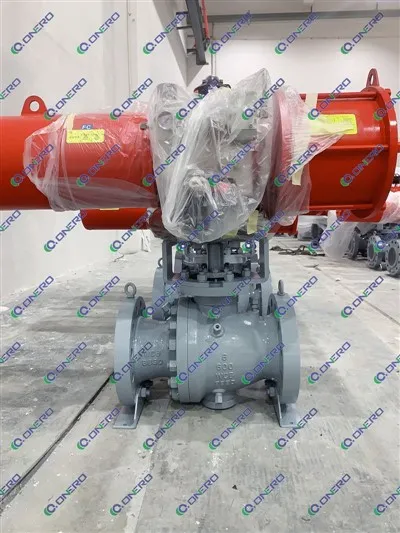
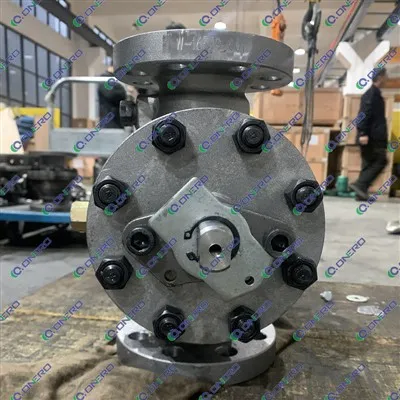
As a top entry valve supplier, I've witnessed firsthand the transformative impact of automatic control devices on the performance and efficiency of top entry valves. In this blog post, I'll delve into the world of these devices, exploring their types, functions, and benefits, and how they enhance the operation of top entry valves.


Types of Automatic Control Devices for Top Entry Valves
Actuators
Actuators are the most common automatic control devices used with top entry valves. They convert energy into mechanical motion to open, close, or modulate the valve. There are several types of actuators available, each with its own advantages and applications.
- Electric Actuators: Electric actuators are powered by electricity and offer precise control over the valve position. They are easy to install and operate, and can be integrated with control systems for remote operation. Electric actuators are suitable for applications where precise control and low maintenance are required, such as in industrial processes and HVAC systems.
- Pneumatic Actuators: Pneumatic actuators use compressed air to generate the force required to operate the valve. They are fast-acting and can provide high torque, making them suitable for applications where quick response times are needed. Pneumatic actuators are commonly used in industries such as oil and gas, chemical, and power generation.
- Hydraulic Actuators: Hydraulic actuators use hydraulic fluid to generate the force required to operate the valve. They can provide high torque and are suitable for applications where large forces are needed, such as in heavy industrial applications. Hydraulic actuators are commonly used in industries such as mining, construction, and marine.
Positioners
Positioners are used to ensure that the valve is positioned accurately and precisely. They work in conjunction with actuators to control the valve position based on a setpoint signal. Positioners can improve the accuracy and repeatability of valve operation, and can also compensate for changes in process conditions.
- Pneumatic Positioners: Pneumatic positioners use compressed air to control the valve position. They are commonly used with pneumatic actuators and can provide accurate control over a wide range of valve sizes and types.
- Electric Positioners: Electric positioners use electricity to control the valve position. They are commonly used with electric actuators and can provide precise control over the valve position. Electric positioners can also be integrated with control systems for remote operation.
Solenoid Valves
Solenoid valves are used to control the flow of fluids or gases by opening or closing a valve using an electromagnetic coil. They are commonly used in applications where quick and precise control of fluid flow is required, such as in irrigation systems, automotive applications, and industrial processes.
- Direct-Acting Solenoid Valves: Direct-acting solenoid valves are the simplest type of solenoid valve. They use an electromagnetic coil to directly open or close the valve. Direct-acting solenoid valves are suitable for applications where low flow rates and low pressures are involved.
- Pilot-Operated Solenoid Valves: Pilot-operated solenoid valves use an electromagnetic coil to control a pilot valve, which in turn controls the main valve. Pilot-operated solenoid valves are suitable for applications where high flow rates and high pressures are involved.
Functions of Automatic Control Devices for Top Entry Valves
Flow Control
One of the primary functions of automatic control devices for top entry valves is to control the flow of fluids or gases through the valve. By adjusting the valve position, the flow rate can be regulated to meet the specific requirements of the process. This can help to optimize the performance of the process and improve efficiency.
Pressure Control
Automatic control devices can also be used to control the pressure of fluids or gases in a system. By adjusting the valve position, the pressure can be maintained at a desired level, which can help to prevent damage to the system and ensure safe operation.
Temperature Control
In some applications, automatic control devices can be used to control the temperature of fluids or gases. By adjusting the valve position, the flow rate of a heating or cooling medium can be regulated, which can help to maintain the temperature at a desired level.
Level Control
Automatic control devices can also be used to control the level of fluids in a tank or vessel. By adjusting the valve position, the flow rate of the fluid can be regulated to maintain the level at a desired level. This can help to prevent overfilling or underfilling of the tank or vessel.
Benefits of Using Automatic Control Devices for Top Entry Valves
Improved Efficiency
By automating the operation of top entry valves, automatic control devices can help to improve the efficiency of the process. They can adjust the valve position in real-time based on the process conditions, which can help to optimize the flow rate and reduce energy consumption.
Enhanced Safety
Automatic control devices can also enhance the safety of the process. They can monitor the process conditions and automatically adjust the valve position to prevent overpressure, overheating, or other hazardous conditions. This can help to prevent accidents and protect the equipment and personnel.
Increased Reliability
Automatic control devices can improve the reliability of top entry valves. They can provide consistent and accurate control over the valve position, which can help to reduce wear and tear on the valve and extend its service life. This can help to reduce maintenance costs and downtime.
Remote Operation
Many automatic control devices can be integrated with control systems for remote operation. This allows operators to monitor and control the valve from a central location, which can improve the efficiency of the process and reduce the need for on-site personnel.
Applications of Automatic Control Devices for Top Entry Valves
Oil and Gas Industry
In the oil and gas industry, top entry valves are commonly used in pipelines, refineries, and offshore platforms. Automatic control devices can be used to control the flow of oil, gas, and other fluids, and to maintain the pressure and temperature of the system. This can help to improve the efficiency and safety of the operations.
Chemical Industry
In the chemical industry, top entry valves are used in a variety of processes, such as chemical reactions, distillation, and filtration. Automatic control devices can be used to control the flow of chemicals, and to maintain the temperature and pressure of the system. This can help to ensure the quality of the products and prevent accidents.
Power Generation Industry
In the power generation industry, top entry valves are used in steam turbines, boilers, and other equipment. Automatic control devices can be used to control the flow of steam, water, and other fluids, and to maintain the pressure and temperature of the system. This can help to improve the efficiency and reliability of the power generation process.
Water and Wastewater Treatment Industry
In the water and wastewater treatment industry, top entry valves are used in water treatment plants, sewage treatment plants, and distribution systems. Automatic control devices can be used to control the flow of water, and to maintain the pressure and level of the system. This can help to ensure the quality of the water and prevent water shortages.
Our Products
As a top entry valve supplier, we offer a wide range of top entry valves and automatic control devices to meet the needs of our customers. Our products include Forged Steel Fixed Ball Valve, Cast Steel Fixed Ball Valve, and Forged Steel Fixed Ball Valve. Our valves are designed and manufactured to the highest standards of quality and reliability, and are suitable for a wide range of applications.
Conclusion
Automatic control devices play a crucial role in the operation of top entry valves. They can improve the efficiency, safety, reliability, and performance of the valves, and can help to optimize the process. As a top entry valve supplier, we are committed to providing our customers with the highest quality products and services. If you are interested in learning more about our top entry valves and automatic control devices, or if you have any questions or inquiries, please feel free to contact us. We look forward to hearing from you and working with you to meet your needs.
References
- Smith, J. (2020). Automatic Control Systems. New York: McGraw-Hill.
- Johnson, R. (2019). Valve Handbook. Houston: Gulf Publishing Company.
- Brown, A. (2018). Instrumentation and Control Systems. Oxford: Butterworth-Heinemann.