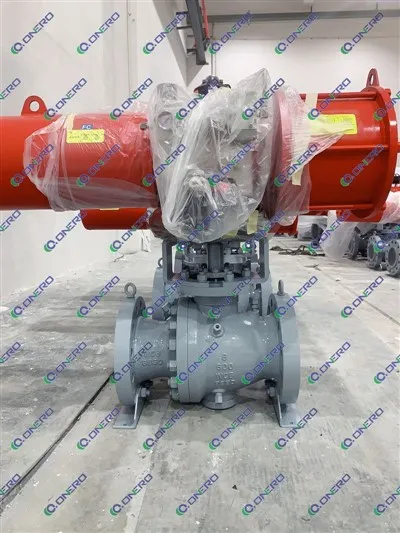
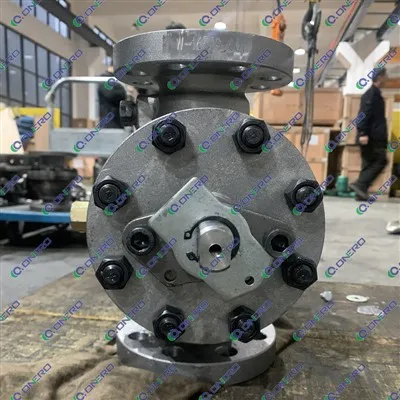
Hey there! If you're reading this, chances are you're keen on understanding how to test the fire-safe performance of a Trunnion Ball Valve. Well, you've come to the right place. I'm a supplier of Trunnion Ball Valves, and I've got a fair bit of hands-on experience in this area. So, let's dive right in!
Why Fire-Safe Testing Matters
First off, let's talk about why testing the fire-safe performance of a Trunnion Ball Valve is so crucial. In industries like oil and gas, petrochemicals, and power generation, these valves are often used in environments where there's a high risk of fire. A valve that can withstand fire conditions is essential for preventing the spread of flames and hazardous substances, protecting both people and property.
Understanding the Basics of Trunnion Ball Valves
Before we get into the testing, let's quickly go over what a Trunnion Ball Valve is. These valves are designed with a trunnion-mounted ball, which means the ball is fixed at the top and bottom by trunnions. This design provides additional support and stability, making them suitable for high-pressure and high-temperature applications.
We offer a variety of Trunnion Ball Valves, including Cast Steel Fixed Ball Valve and Forged Steel Fixed Ball Valve from our Forged Steel Fixed Ball Valve factory. Each type has its own unique features and benefits, but they all need to meet strict fire-safe standards.
Testing Standards and Procedures
There are several international standards that govern the fire-safe testing of valves, such as API 607 and ISO 10497. These standards outline the specific requirements and procedures that need to be followed during testing.
1. Visual Inspection
The first step in the testing process is a visual inspection. We carefully examine the valve for any signs of damage or defects, such as cracks, scratches, or improper machining. Any issues found during this inspection can affect the valve's performance and need to be addressed before further testing.
2. Leakage Testing
Before the fire test, the valve undergoes leakage testing to ensure it meets the required sealing performance. This is typically done using a gas or liquid at a specified pressure. The valve is closed, and the amount of leakage is measured. If the leakage exceeds the acceptable limit, the valve fails the test.
3. Fire Testing
The most critical part of the process is the fire test. The valve is installed in a test rig, and a fire is ignited around it for a specified period, usually 30 minutes. During this time, the valve is subjected to high temperatures, which can cause the seals and other components to degrade.
There are two main types of fire tests: the seat leakage test and the body leakage test.
- Seat Leakage Test: After the fire is extinguished, the valve is closed, and the amount of leakage through the seats is measured. The leakage rate must be within the limits specified by the standard. This test ensures that the valve can still provide an effective seal even after being exposed to fire.
- Body Leakage Test: In addition to the seat leakage test, the valve is also checked for body leakage. This involves pressurizing the valve body and checking for any signs of leakage through the body wall or connections. A valve that shows excessive body leakage during or after the fire test is considered to have failed.
4. Post-Fire Testing
Once the fire test is complete, the valve undergoes a series of post-fire tests. This includes another leakage test to ensure the valve still meets the sealing requirements. The valve is also inspected for any structural damage, such as warping or deformation.
Factors Affecting Fire-Safe Performance
Several factors can affect the fire-safe performance of a Trunnion Ball Valve.
1. Material Selection
The materials used in the valve construction play a crucial role in its fire resistance. For example, cast steel and forged steel are commonly used due to their high strength and heat resistance. Seals and gaskets are also important, as they need to maintain their integrity at high temperatures. We carefully select the materials for our valves to ensure they can withstand fire conditions.
2. Design and Construction
The design of the valve can also impact its fire-safe performance. For instance, a well-designed valve with proper insulation and heat dissipation mechanisms can help reduce the temperature inside the valve during a fire. The construction quality, including the welding and assembly processes, also affects the valve's ability to withstand fire.
3. Maintenance and Installation
Proper maintenance and installation are essential for ensuring the long-term fire-safe performance of the valve. Regular maintenance can help detect and address any issues before they become serious problems. Incorrect installation, on the other hand, can lead to premature failure and reduced fire resistance.
Our Quality Assurance Commitment
As a Trunnion Ball Valve supplier, we take quality assurance seriously. We have a dedicated team of experts who are responsible for ensuring that all our valves meet the highest fire-safe standards. Our testing facilities are equipped with state-of-the-art equipment, allowing us to conduct accurate and reliable tests.
We also keep up-to-date with the latest industry standards and regulations, continuously improving our products and processes to meet the evolving needs of our customers. Whether you need a Cast Steel Fixed Ball Valve or a Forged Steel Fixed Ball Valve from our Forged Steel Fixed Ball Valve factory, you can rest assured that our valves are rigorously tested and proven to perform in fire conditions.


Reaching Out for a Purchase
If you're in the market for high-quality Trunnion Ball Valves, whether for a new project or replacement parts, don't hesitate to reach out. We're here to assist you in finding the right valve for your specific requirements. Our team can provide detailed product information, help with technical specifications, and offer competitive pricing. Let's start a conversation about your procurement needs and see how we can work together to ensure the safety and efficiency of your operations.
References
- API 607 - Fire Test for Soft-seated Quarter-turn Valves
- ISO 10497 - Fire - type testing of quarter - turn valves