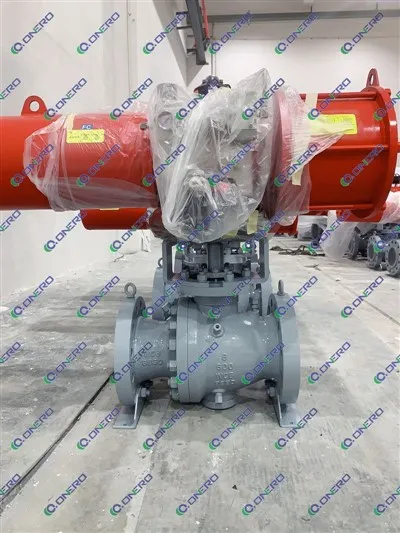
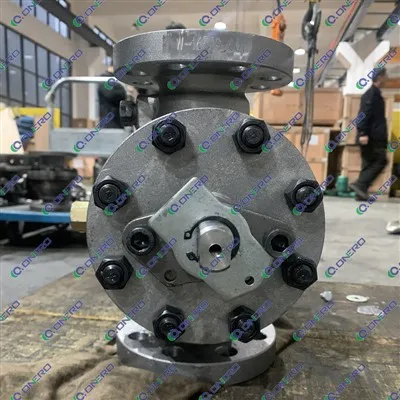
As a trunnion valve supplier, I've seen firsthand how crucial it is to ensure the long - term performance of these valves. Trunnion valves are widely used in various industries, from oil and gas to chemical processing, and their reliability can make or break an operation. So, let's dive into some key steps to keep these valves working great over the long haul.
1. Quality Manufacturing from the Start
The foundation of long - term performance begins with high - quality manufacturing. At our place, we use top - notch materials for our trunnion valves. For instance, we offer Cast Steel Fixed Ball Valve and Forged Steel Fixed Ball Valve. Cast steel valves are known for their good strength and are suitable for a wide range of applications. On the other hand, forged steel valves are even more robust, with enhanced durability and resistance to high - pressure and high - temperature environments.
We also follow strict manufacturing processes. Every valve goes through multiple inspections during production. We check the dimensions, the smoothness of the ball and seats, and the integrity of the welds if there are any. This attention to detail ensures that each valve leaving our factory meets the highest standards.
2. Proper Installation
Once you've got your shiny new trunnion valve, proper installation is key. First off, make sure the valve is installed in the right orientation. The flow direction should match the arrow marked on the valve body. Incorrect installation can lead to uneven wear and tear on the valve components, reducing its lifespan.
Also, pay attention to the piping system. The pipes connected to the valve should be properly aligned and supported. Misaligned pipes can put extra stress on the valve, causing it to leak or malfunction over time. We recommend using gaskets of the right material and size to ensure a tight seal between the valve and the pipes. And don't forget to tighten the bolts evenly to avoid any uneven pressure distribution.
3. Regular Maintenance
Regular maintenance is like giving your trunnion valve a health check - up. One of the most important aspects is lubrication. The stem and other moving parts need to be lubricated regularly to reduce friction. This not only makes the valve easier to operate but also prevents excessive wear. Use a lubricant that is compatible with the valve materials and the operating environment.


Inspect the valve for any signs of damage or wear. Check the seats for scratches or erosion, as these can lead to leakage. Look at the stem for any signs of corrosion or misalignment. If you notice any issues, address them immediately. Small problems can quickly turn into big ones if left unattended.
Another part of maintenance is cleaning. Over time, dirt, debris, and chemical deposits can build up inside the valve. This can affect its performance and even cause blockages. Use a suitable cleaning agent to remove these deposits, but make sure it won't damage the valve materials.
4. Monitoring and Control
In today's digital age, monitoring the performance of your trunnion valve is easier than ever. You can use sensors to keep track of parameters like pressure, temperature, and flow rate. Unusual changes in these parameters can indicate a problem with the valve. For example, a sudden drop in pressure might mean there is a leak in the valve.
By monitoring these parameters continuously, you can detect issues early and take preventive measures. This can save you a lot of money in the long run by avoiding costly repairs or replacements. You can also use control systems to adjust the valve operation based on the process requirements. This ensures that the valve is always operating under optimal conditions.
5. Training for Operators
Your valve is only as good as the people operating it. Make sure your operators are well - trained. They should understand how the trunnion valve works, how to operate it correctly, and how to recognize signs of trouble. Training should cover topics like proper opening and closing procedures, how to read the valve's performance indicators, and what to do in case of an emergency.
Well - trained operators are more likely to operate the valve carefully, reducing the risk of damage. They can also report any potential issues promptly, allowing for timely maintenance and repairs.
6. Upgrades and Retrofits
As technology advances, it might be a good idea to consider upgrading or retrofitting your trunnion valve. Newer valve designs often come with improved features like better sealing, lower friction, and enhanced corrosion resistance. You can also add accessories like positioners or limit switches to improve the valve's control and monitoring capabilities.
Retrofitting can be a cost - effective way to extend the life of your existing valve. For example, if the seats of your valve are worn out, you can replace them with new, more durable ones. This can give your valve a new lease on life without having to buy a whole new one.
7. Environmental Considerations
The environment in which the trunnion valve operates can have a big impact on its long - term performance. If the valve is exposed to corrosive chemicals or a harsh climate, you need to take extra precautions. For example, in a salt - water environment, the valve should be made of corrosion - resistant materials or coated with a protective layer.
In high - temperature environments, the valve's materials should be able to withstand the heat without deforming. You might also need to use insulation to protect the valve from extreme temperatures. And in dusty or dirty environments, consider using protective covers to keep the debris out of the valve.
8. Spare Parts Management
Having a good supply of spare parts is essential for ensuring the long - term performance of your trunnion valve. If a critical component fails, you can quickly replace it and get the valve back up and running. Keep an inventory of commonly used parts like O - rings, gaskets, and stem seals.
Make sure the spare parts are stored properly. They should be kept in a clean, dry place to prevent corrosion and damage. And when you replace a part, make sure it is the correct one for your valve model. Using the wrong part can lead to compatibility issues and further problems.
Conclusion
Ensuring the long - term performance of a trunnion valve requires a combination of quality manufacturing, proper installation, regular maintenance, monitoring, and operator training. By following these steps, you can maximize the lifespan of your valve and minimize downtime and repair costs.
If you're in the market for a high - quality trunnion valve or need more information on valve maintenance and performance, we're here to help. Whether you're looking for a Cast Steel Fixed Ball Valve or a Forged Steel Fixed Ball Valve, we've got you covered. Feel free to reach out to us to discuss your specific requirements and start a procurement negotiation.
References
- Valve Handbook, by Valve Manufacturers Association
- ASME Standards for Valve Design and Manufacturing
- API Standards for Valves in the Oil and Gas Industry