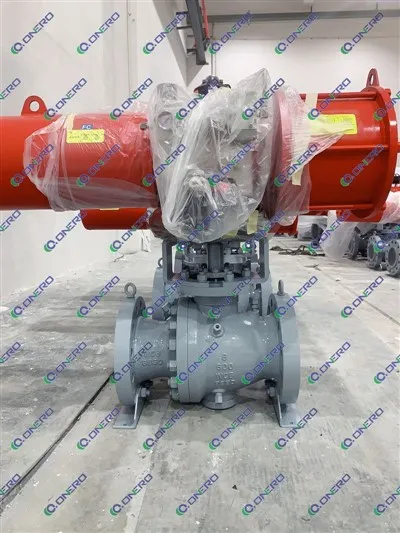
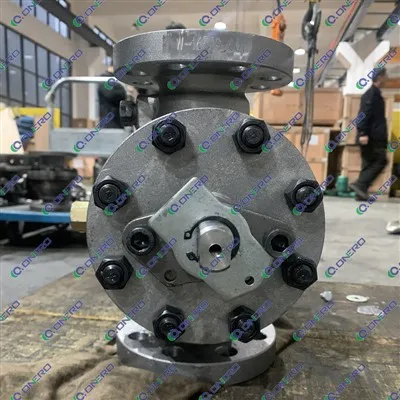
Determining the flow direction of a Trunnion Ball Valve is a crucial step in ensuring its proper installation and optimal performance. As a trusted Trunnion Ball Valve supplier, we understand the importance of this process and are here to guide you through it.
Understanding the Basics of Trunnion Ball Valves
Before delving into how to determine the flow direction, it's essential to have a basic understanding of Trunnion Ball Valves. These valves are designed to control the flow of fluids in pipelines. They consist of a ball with a hole in the middle, which rotates to either allow or block the flow of the fluid. The trunnion design provides additional support to the ball, making it suitable for high - pressure and large - diameter applications.
Key Features Affecting Flow Direction
Several features of Trunnion Ball Valves can help in determining the flow direction:
Inlet and Outlet Markings
Most Trunnion Ball Valves come with clear markings indicating the inlet and outlet. These markings are usually engraved or stamped on the valve body. The inlet is the side where the fluid enters the valve, and the outlet is where it exits. When installing the valve, it is essential to align these markings with the flow direction of the pipeline. This ensures that the valve functions as intended and reduces the risk of damage due to improper flow.
Seat Design
The seat design of a Trunnion Ball Valve can also give clues about the flow direction. The seats are the sealing surfaces that come into contact with the ball. In many cases, the seats are designed to be more effective in one direction of flow. For example, some seats may have a tapered design that provides a better seal when the fluid is flowing in a particular direction. By examining the seat design, you can often determine the recommended flow direction.


Pressure Ratings
Pressure ratings are another important factor to consider. Trunnion Ball Valves are designed to withstand different levels of pressure on the inlet and outlet sides. The side with the higher pressure - withstanding capacity is typically the inlet. This is because the fluid entering the valve often has a higher pressure, and the valve needs to be able to handle this pressure without leaking or failing.
Step - by - Step Guide to Determine Flow Direction
- Inspect the Valve Body: Carefully examine the valve body for any markings indicating the inlet and outlet. Look for words like “IN” and “OUT” or arrows that show the flow direction. If the markings are unclear or faded, contact the valve manufacturer or supplier for clarification.
- Examine the Seat Design: Remove the valve cover if possible and inspect the seats. Note any differences in the shape or construction of the seats. If one seat appears to be more streamlined or has a design that suggests it is optimized for a particular flow direction, this can be a strong indication of the correct flow path.
- Check the Pressure Ratings: Refer to the valve's technical documentation or specifications to find the pressure ratings for the inlet and outlet. The side with the higher pressure rating is likely the inlet. Make sure to match these ratings with the pressure conditions of the pipeline.
- Consider the Pipeline Configuration: Look at the overall pipeline system. The direction of flow in the pipeline is usually determined by the source of the fluid (such as a pump or a storage tank) and the destination (such as a processing unit or another pipeline). Ensure that the valve's flow direction aligns with the natural flow of the pipeline.
Importance of Correct Flow Direction
Installing a Trunnion Ball Valve with the correct flow direction is crucial for several reasons:
Optimal Sealing
When the valve is installed with the correct flow direction, the seats can form a tight seal against the ball. This prevents leakage and ensures that the valve can effectively control the flow of the fluid. Incorrect flow direction can lead to poor sealing, which can result in fluid loss, reduced efficiency, and potential safety hazards.
Extended Valve Life
Proper flow direction also helps to extend the life of the valve. When the valve is operating under the correct flow conditions, the components are subjected to less stress and wear. This reduces the risk of premature failure and increases the overall reliability of the valve.
System Efficiency
A valve installed with the correct flow direction contributes to the overall efficiency of the pipeline system. It allows the fluid to flow smoothly through the valve, minimizing pressure drops and energy losses. This can lead to cost savings and improved performance of the entire system.
Different Types of Trunnion Ball Valves and Flow Direction
There are various types of Trunnion Ball Valves, such as Forged Steel Fixed Ball Valve and Cast Steel Fixed Ball Valve. While the basic principles of determining flow direction apply to all types, there may be some differences in their design and installation requirements.
Forged Steel Fixed Ball Valves
Forged Steel Fixed Ball Valves are known for their high - strength and durability. They are often used in high - pressure and high - temperature applications. When determining the flow direction of a Forged Steel Fixed Ball Valve, pay close attention to the pressure ratings and seat design. These valves may have a more robust seat design to handle the high - pressure conditions, and the flow direction should be aligned accordingly. You can find more information about Forged Steel Fixed Ball Valve on our website.
Cast Steel Fixed Ball Valves
Cast Steel Fixed Ball Valves are more cost - effective and are suitable for a wide range of applications. The flow direction of these valves can be determined using the same methods as other Trunnion Ball Valves. However, the cast steel construction may have some unique features that affect how the valve seals and operates. Always refer to the manufacturer's guidelines when installing cast steel valves.
Conclusion
Determining the flow direction of a Trunnion Ball Valve is a critical step in the installation process. By carefully inspecting the valve body, seat design, pressure ratings, and considering the pipeline configuration, you can ensure that the valve is installed correctly. Correct flow direction not only ensures optimal performance and sealing but also extends the valve's life and improves the efficiency of the entire pipeline system.
As a leading Trunnion Ball Valve supplier, we are committed to providing high - quality valves and expert advice. If you have any questions about determining the flow direction of our valves or need assistance with valve selection and installation, please do not hesitate to contact us. We are here to help you make the best decisions for your pipeline systems.
References
- Valve Handbook, [Publisher's Name], [Year of Publication]
- Pipeline Design and Installation Guidelines, [Organization's Name], [Year of Publication]