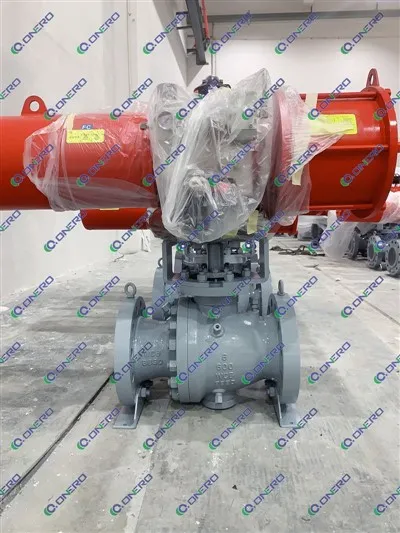
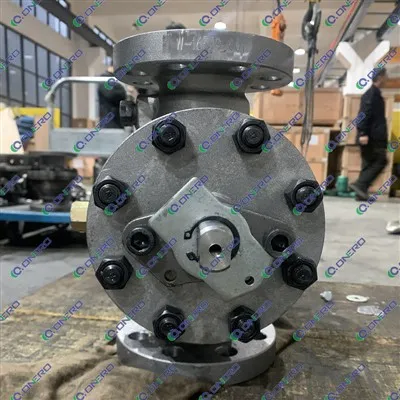
Selecting the appropriate valve seat material for a Top Entry Ball Valve is a critical decision that can significantly impact the valve's performance, durability, and overall efficiency. As a trusted supplier of Top Entry Ball Valve, we understand the importance of this choice and are here to guide you through the process.
Understanding the Role of Valve Seats in Top Entry Ball Valves
Before delving into the selection of valve seat materials, it's essential to understand the role that valve seats play in a Top Entry Ball Valve. The valve seat is a crucial component that provides a sealing surface between the ball and the valve body, preventing leakage and ensuring proper flow control. When the valve is closed, the seat forms a tight seal against the ball, blocking the flow of fluid. When the valve is open, the seat allows the ball to rotate freely, enabling the fluid to pass through the valve.
Factors to Consider When Choosing Valve Seat Materials
Several factors should be considered when choosing the right valve seat material for a Top Entry Ball Valve. These factors include:
- Fluid Compatibility: The valve seat material must be compatible with the fluid being handled by the valve. Different fluids have different chemical properties, and some materials may be prone to corrosion, erosion, or chemical attack when exposed to certain fluids. For example, if the fluid is highly corrosive, a corrosion-resistant material such as stainless steel or a high-performance polymer may be required.
- Temperature and Pressure Ratings: The valve seat material must be able to withstand the temperature and pressure conditions of the application. High temperatures can cause materials to expand, contract, or degrade, while high pressures can put stress on the seat and compromise its sealing ability. It's important to choose a material with appropriate temperature and pressure ratings to ensure reliable performance.
- Sealing Performance: The primary function of the valve seat is to provide a tight seal against the ball, preventing leakage. The material's sealing performance is influenced by factors such as its hardness, elasticity, and surface finish. A material with good sealing properties will ensure minimal leakage and reliable operation.
- Wear Resistance: The valve seat is subject to wear and tear due to the repeated opening and closing of the valve. A wear-resistant material will help extend the valve's lifespan and reduce the need for frequent maintenance and replacement.
- Cost: Cost is always a consideration when selecting valve seat materials. While it's important to choose a high-quality material that meets the application's requirements, it's also necessary to balance cost with performance. Some materials may be more expensive but offer superior performance and durability, while others may be more cost-effective but have limitations in certain applications.
Common Valve Seat Materials for Top Entry Ball Valves
There are several common valve seat materials used in Top Entry Ball Valves, each with its own unique properties and advantages. Some of the most popular materials include:
- Polytetrafluoroethylene (PTFE): PTFE is a widely used valve seat material known for its excellent chemical resistance, low friction coefficient, and good sealing performance. It can withstand a wide range of temperatures and pressures and is suitable for use with many different types of fluids. PTFE is also relatively inexpensive, making it a cost-effective choice for many applications.
- Reinforced PTFE: Reinforced PTFE is a modified version of PTFE that contains fillers such as glass fiber, carbon fiber, or graphite to improve its mechanical properties. Reinforced PTFE offers better wear resistance, higher temperature and pressure ratings, and improved dimensional stability compared to standard PTFE.
- Polyetheretherketone (PEEK): PEEK is a high-performance thermoplastic polymer known for its excellent mechanical properties, chemical resistance, and high-temperature stability. It has a high melting point and can withstand continuous use at temperatures up to 260°C (500°F). PEEK is also resistant to wear, abrasion, and creep, making it a suitable choice for demanding applications.
- Stainless Steel: Stainless steel is a popular valve seat material due to its excellent corrosion resistance, high strength, and durability. It can withstand a wide range of temperatures and pressures and is suitable for use with many different types of fluids. Stainless steel seats are often used in applications where high reliability and long service life are required.
- Alloy 20: Alloy 20 is a nickel-iron-chromium alloy with excellent corrosion resistance in a wide range of environments, including sulfuric acid, phosphoric acid, and many other corrosive media. It offers good mechanical properties and is suitable for use in high-temperature and high-pressure applications.
Application-Specific Considerations
In addition to the general factors mentioned above, there are also some application-specific considerations that may influence the choice of valve seat material. For example:

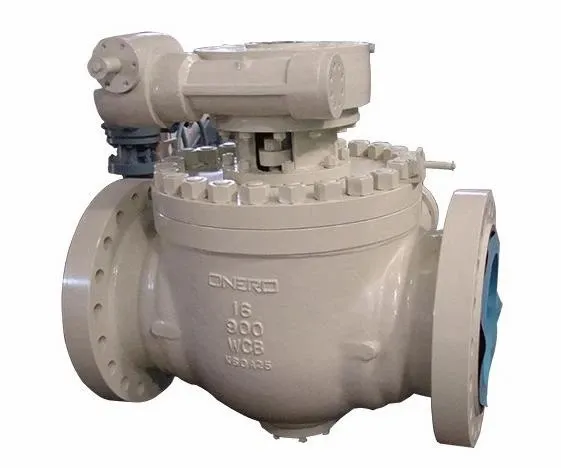
- Food and Beverage Industry: In the food and beverage industry, valve seat materials must be compliant with relevant food safety regulations. Materials such as PTFE and PEEK are often used in these applications due to their non-toxicity and resistance to contamination.
- Oil and Gas Industry: In the oil and gas industry, valve seat materials must be able to withstand harsh operating conditions, including high pressures, high temperatures, and corrosive fluids. Materials such as stainless steel, alloy 20, and high-performance polymers are commonly used in these applications.
- Chemical Industry: In the chemical industry, valve seat materials must be resistant to a wide range of chemicals and solvents. Materials such as PTFE, PEEK, and stainless steel are often used in these applications due to their excellent chemical resistance.
Conclusion
Choosing the right valve seat material for a Top Entry Ball Valve is a complex decision that requires careful consideration of several factors. By understanding the role of valve seats, considering the fluid compatibility, temperature and pressure ratings, sealing performance, wear resistance, and cost, and taking into account application-specific considerations, you can select a material that will ensure reliable performance and long service life for your valve.
As a leading supplier of Top Entry Ball Valve, we have extensive experience in helping customers choose the right valve seat materials for their applications. Our team of experts can provide you with personalized advice and guidance based on your specific requirements. If you have any questions or need assistance in selecting the appropriate valve seat material, please don't hesitate to contact us. We look forward to working with you to meet your valve needs and provide you with high-quality products and excellent service.
If you're interested in exploring our range of valves further, you might also want to check out our DBB Double Ball Valve, which offers enhanced safety and reliability in critical applications.
References
- Valve Handbook, 4th Edition, by J. E. Shigley and C. R. Mischke
- ASME B16.34 - Valves - Flanged, Threaded, and Welding End
- API 6D - Pipeline Valves - Specification for Pipeline Valves