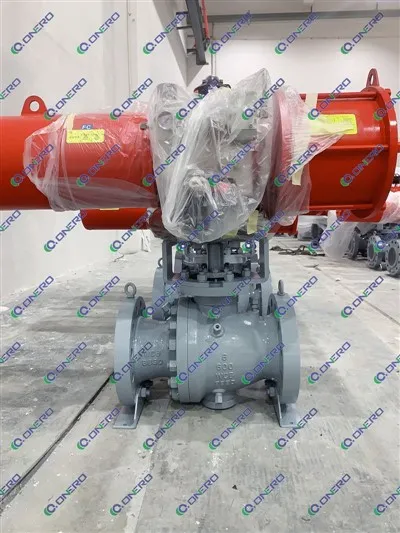
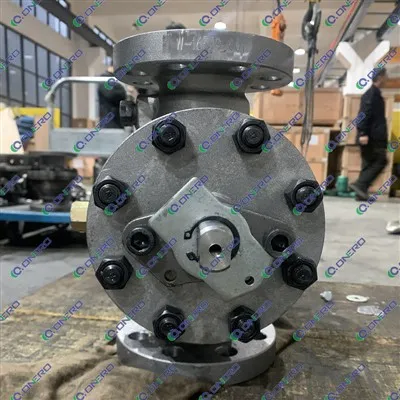
Hey there! As a supplier of ball valve flanged products, I've seen firsthand how crucial it is to check the valve seat of a ball valve flanged. A well - functioning valve seat can mean the difference between a smooth - running system and a costly, time - consuming breakdown. In this blog, I'll walk you through the steps on how to check the valve seat of a ball valve flanged.
Why Checking the Valve Seat is Important
Before we dive into the checking process, let's talk about why it matters. The valve seat is the part of the ball valve that comes into contact with the ball. It forms a seal to prevent the flow of fluid when the valve is closed. If the valve seat is damaged or worn out, it can lead to leaks, which can be a big problem in industrial settings. Leaks can waste resources, cause environmental issues, and even pose safety risks. So, regular checks are essential to ensure the valve's proper operation.
Tools You'll Need
First things first, you'll need a few tools to check the valve seat. You'll need a flashlight to get a good look inside the valve. A feeler gauge is also handy to measure any gaps or clearances. A mirror can help you see hard - to - reach areas. And of course, you'll need some cleaning supplies like a soft brush and a suitable cleaning solvent to remove any dirt or debris from the valve seat.
Step 1: Preparation
Before you start checking the valve seat, make sure the valve is in a safe state. If it's in an operating system, shut down the system and relieve any pressure in the valve. This is really important for your safety. Once the valve is depressurized, you can start disassembling it. Usually, you'll need to remove the bolts that hold the flanges together. Be careful not to lose any small parts during the disassembly process.
Step 2: Visual Inspection
Once you've opened up the valve, use your flashlight to take a good look at the valve seat. Look for any signs of damage such as scratches, cracks, or pitting. Scratches can be caused by debris in the fluid, and over time, they can prevent the valve from sealing properly. Cracks are a more serious issue and can lead to major leaks. Pitting is often the result of corrosion, which can weaken the valve seat. If you see any of these problems, it might be time to replace the valve seat.
Step 3: Measuring Clearance
Next, use the feeler gauge to measure the clearance between the ball and the valve seat. This will give you an idea of how well the valve is sealing. Insert the feeler gauge into different points around the valve seat. If the clearance is too large, it could mean that the valve seat is worn out. Compare the measurements with the manufacturer's specifications. If the measurements are outside the recommended range, you may need to take further action.
Step 4: Cleaning the Valve Seat
Even if you don't find any major damage, it's a good idea to clean the valve seat. Use the soft brush and cleaning solvent to gently remove any dirt, rust, or other debris. Make sure to clean all the surfaces thoroughly. A clean valve seat will not only improve the valve's performance but also make it easier to spot any potential problems during future inspections.
Step 5: Reassembly
After you've completed the inspection and cleaning, it's time to reassemble the valve. Make sure all the parts are in the correct position. Replace any gaskets or seals if necessary. Tighten the bolts evenly to ensure a proper seal between the flanges. Over - tightening can damage the valve, so be careful not to go overboard.
Types of Ball Valve Flanged
There are different types of ball valve flanged products available in the market. For instance, we offer Forged Steel Fixed Ball Valve and Cast Steel Fixed Ball Valve. The forged steel ones are known for their high strength and durability, making them suitable for high - pressure applications. The cast steel ones, on the other hand, are more cost - effective and can be a great choice for less demanding applications. We also have Forged Steel Fixed Ball Valve directly from our factory, which means you can get high - quality products at a competitive price.
Importance of Regular Checks
Regular checks of the valve seat are not just a one - time thing. You should establish a maintenance schedule to inspect your ball valve flanged products regularly. This can help you catch any problems early on and avoid costly repairs or replacements. By keeping your valves in good condition, you can ensure the smooth operation of your systems and save money in the long run.


Contact Us for Your Ball Valve Flanged Needs
If you're in the market for ball valve flanged products or need more information about valve seat checks, don't hesitate to reach out. We're here to help you find the right valve for your specific requirements. Whether you need a Forged Steel Fixed Ball Valve for a high - pressure system or a Cast Steel Fixed Ball Valve for a more budget - friendly option, we've got you covered. Contact us today to start the procurement process and let's work together to keep your systems running smoothly.
References
- Valve Handbook, by Crane Co.
- Industrial Valves: Selection and Sizing, by Cameron Iron Works, Inc.