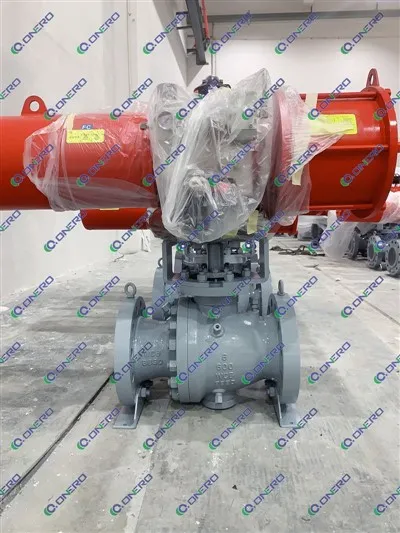
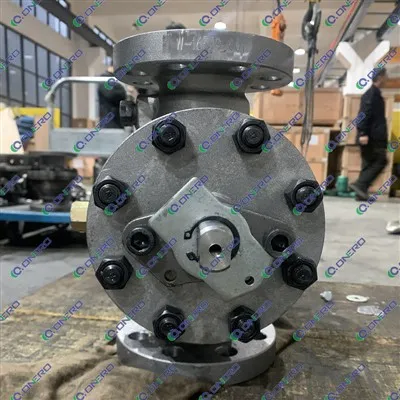
Hey there! If you're in the market for a floating ball valve, you're probably wondering, "How much does a floating ball valve cost?" Well, you've come to the right place. As a floating ball valve supplier, I've got the lowdown on all things related to the cost of these essential industrial components.
Let's start by understanding what a floating ball valve is. A floating ball valve is a type of valve that uses a floating ball to control the flow of fluid through a pipeline. The ball is held in place by the pressure of the fluid on both sides, and it floats freely within the valve body. When the valve is open, the ball rotates to allow fluid to pass through, and when it's closed, the ball seals against the valve seats to stop the flow.
Now, onto the big question: how much does it cost? The cost of a floating ball valve can vary widely depending on several factors.
Material
One of the most significant factors influencing the cost is the material used to make the valve. Common materials include cast steel and forged steel.
Cast Steel Floating Ball Valve are generally more affordable. Cast steel is made by pouring molten steel into a mold, which is a relatively straightforward and cost - effective manufacturing process. These valves are suitable for many general - purpose applications where the pressure and temperature requirements are not extremely high.
On the other hand, Forged Steel Floating Ball Valve are more expensive. Forging involves shaping the steel under high pressure, which results in a stronger and more durable valve. Forged steel valves are often used in high - pressure and high - temperature applications, such as in the oil and gas industry, where reliability is crucial.
Size
The size of the floating ball valve also plays a major role in determining its cost. Smaller valves, with a smaller diameter, are generally less expensive than larger ones. This is because they require less material and are easier to manufacture. For example, a 1 - inch floating ball valve will cost significantly less than a 10 - inch one. The larger the valve, the more material is needed for the valve body, ball, and other components, and the more complex the manufacturing process becomes.
Pressure Rating
Valves with higher pressure ratings are more costly. A valve that can withstand high pressures needs to be made of stronger materials and have a more robust design. For instance, a valve rated for 150 psi (pounds per square inch) will be cheaper than one rated for 600 psi. The higher - pressure valve has to be able to handle the increased force exerted by the fluid, which means thicker walls, better - quality seals, and more precise machining.
End Connection
The type of end connection on the floating ball valve can also affect the price. Common end connections include flanged, threaded, and welded. Flanged connections are more expensive because they require additional flanges and bolts, which add to the material and manufacturing costs. Threaded connections are generally more affordable, as they are simpler to install and require fewer components. Welded connections fall somewhere in between, depending on the complexity of the welding process and the size of the valve.
Brand and Quality
Well - known brands often charge a premium for their floating ball valves. This is because they have a reputation for quality and reliability. A valve from a well - established brand may have better - quality materials, more precise manufacturing, and more rigorous quality control. However, there are also many lesser - known brands that offer high - quality valves at a more competitive price. It's important to do your research and compare different brands to find the best balance between quality and cost.
Quantity
If you're buying floating ball valves in bulk, you can usually get a better price per unit. Suppliers often offer volume discounts to encourage large orders. So, if you have a big project that requires multiple valves, it's worth considering buying in larger quantities to save money.


Let's take a look at some rough price ranges. For a small (1 - 2 inches), low - pressure (150 psi), cast steel floating ball valve with threaded connections, you might expect to pay anywhere from $50 to $200. A medium - sized (4 - 6 inches), medium - pressure (300 psi), cast steel valve with flanged connections could cost between $500 and $2000. For large (8 - 10 inches), high - pressure (600 psi) forged steel floating ball valves, the price can range from $2000 to $10,000 or more.
As a floating ball valve supplier, I understand that cost is an important factor for you. But it's also crucial to consider the long - term value of the valve. A cheaper valve may save you money upfront, but if it fails prematurely or requires frequent maintenance, it could end up costing you more in the long run. That's why it's important to choose a valve that meets your specific requirements in terms of material, size, pressure rating, and quality.
If you're still not sure which floating ball valve is right for you or want to get a more accurate price quote, don't hesitate to reach out. I'm here to help you find the best valve for your needs at the most competitive price. Whether you're working on a small plumbing project or a large industrial installation, I've got the expertise and the products to meet your demands.
In conclusion, the cost of a floating ball valve depends on multiple factors, and there's a wide range of prices available. By understanding these factors and doing your research, you can make an informed decision and get the best value for your money. So, if you're ready to start your floating ball valve purchase, let's have a chat and see how we can work together.
References
- Valve Handbook, Various Editions
- Industry Reports on Industrial Valve Pricing
- Manufacturer Specifications for Floating Ball Valves