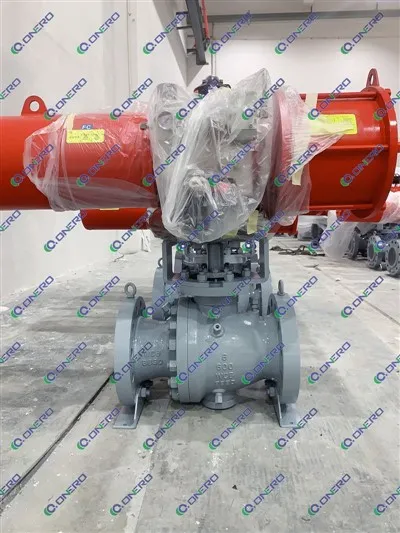
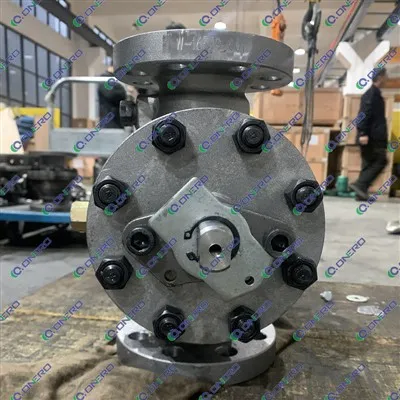
A four-way gate valve is a crucial component in many industrial fluid control systems. As a supplier of four-way valves, I am often asked about how these valves function. In this blog post, I will provide a detailed explanation of the working principles of a four-way gate valve, its applications, and the advantages it offers.
Working Principles of a Four-Way Gate Valve
A four-way gate valve is designed to control the flow of fluids (liquids or gases) in a pipeline system. It has four ports, which allows for a variety of flow path configurations. The valve consists of a gate, which is a flat or wedge-shaped disc that can be moved up and down to open or close the flow path.
The operation of a four-way gate valve is based on the movement of the gate. When the gate is fully open, fluid can flow freely through the valve. When the gate is fully closed, the flow is completely blocked. By adjusting the position of the gate, the flow rate can be regulated.


The gate is typically actuated by a stem, which is connected to an actuator. The actuator can be manual, electric, pneumatic, or hydraulic, depending on the application requirements. Manual actuators are operated by handwheels or levers, while electric, pneumatic, and hydraulic actuators are powered by external sources.
In a four-way gate valve, the flow path can be changed by rotating the valve body or by using a special internal mechanism. This allows for different flow patterns, such as straight-through flow, diversion flow, or mixing flow. For example, in a straight-through flow configuration, the fluid enters through one port and exits through another port on the opposite side of the valve. In a diversion flow configuration, the fluid can be redirected to a different port.
Applications of Four-Way Gate Valves
Four-way gate valves are widely used in various industries, including oil and gas, chemical, power generation, water treatment, and food and beverage. Some of the common applications of four-way gate valves are:
- Oil and Gas Industry: In the oil and gas industry, four-way gate valves are used in pipelines, refineries, and offshore platforms to control the flow of crude oil, natural gas, and other fluids. They are often used in applications where high-pressure and high-temperature conditions are present.
- Chemical Industry: Four-way gate valves are used in chemical plants to control the flow of chemicals, acids, and solvents. They are designed to withstand the corrosive effects of these substances and to provide reliable operation in harsh environments.
- Power Generation Industry: In power plants, four-way gate valves are used in steam systems, cooling water systems, and fuel oil systems. They are used to control the flow of steam, water, and fuel oil, and to ensure the safe and efficient operation of the power plant.
- Water Treatment Industry: Four-way gate valves are used in water treatment plants to control the flow of water, wastewater, and chemicals. They are used in applications such as filtration, disinfection, and desalination.
- Food and Beverage Industry: Four-way gate valves are used in the food and beverage industry to control the flow of liquids, such as milk, juice, and beer. They are designed to meet the strict hygiene and sanitation requirements of this industry.
Advantages of Four-Way Gate Valves
Four-way gate valves offer several advantages over other types of valves, such as ball valves and globe valves. Some of the key advantages of four-way gate valves are:
- Versatility: Four-way gate valves can be used in a variety of flow path configurations, which makes them suitable for different applications. They can be used for straight-through flow, diversion flow, or mixing flow, depending on the requirements of the system.
- Low Pressure Drop: Four-way gate valves have a low pressure drop, which means that they do not significantly reduce the pressure of the fluid flowing through them. This makes them energy-efficient and suitable for applications where pressure loss needs to be minimized.
- Reliable Operation: Four-way gate valves are designed to provide reliable operation in harsh environments. They are made of high-quality materials and are built to withstand the effects of corrosion, erosion, and wear. They also have a simple design, which makes them easy to maintain and repair.
- High Flow Capacity: Four-way gate valves have a large flow capacity, which means that they can handle high flow rates of fluids. This makes them suitable for applications where large volumes of fluid need to be transported.
Comparison with Other Valve Types
When choosing a valve for a specific application, it is important to consider the advantages and disadvantages of different valve types. Here is a comparison of four-way gate valves with some other common valve types:
- Ball Valves: Ball valves are known for their quick opening and closing action and their ability to provide a tight seal. However, they have a limited flow path configuration and are not suitable for applications where the flow needs to be diverted or mixed. In contrast, four-way gate valves offer more versatility in terms of flow path configuration. You can learn more about Jacket Ball Valve and Hard Seal Ball Valve on our website.
- Globe Valves: Globe valves are commonly used for flow regulation and throttling. They have a good flow control ability but a relatively high pressure drop. Four-way gate valves, on the other hand, have a lower pressure drop and are more suitable for applications where high flow rates are required. For more information on carbon steel ball valves, check out our Carbon Steel Manual Ball Valves.
Factors to Consider When Selecting a Four-Way Gate Valve
When selecting a four-way gate valve for a specific application, several factors need to be considered:
- Flow Rate and Pressure: The valve should be able to handle the required flow rate and pressure of the fluid in the system.
- Fluid Properties: The valve material should be compatible with the properties of the fluid, such as its corrosiveness, temperature, and viscosity.
- Flow Path Configuration: The valve should be able to provide the desired flow path configuration, such as straight-through, diversion, or mixing flow.
- Actuator Type: The choice of actuator depends on the application requirements, such as the need for remote operation, speed of operation, and reliability.
Maintenance and Troubleshooting
Proper maintenance is essential to ensure the long-term performance of a four-way gate valve. Regular inspection, lubrication, and cleaning can help prevent problems and extend the service life of the valve.
Common troubleshooting steps for four-way gate valves include checking for leaks, ensuring proper actuator operation, and inspecting the gate and seat for wear or damage. If a problem is detected, it is important to address it promptly to avoid further damage to the valve and the system.
Conclusion
In conclusion, four-way gate valves are versatile and reliable components in industrial fluid control systems. Their ability to provide multiple flow path configurations, low pressure drop, and high flow capacity makes them suitable for a wide range of applications. As a supplier of four-way valves, we are committed to providing high-quality products that meet the specific needs of our customers.
If you are interested in learning more about our four-way gate valves or have any questions regarding your specific application, please feel free to contact us for a detailed discussion and procurement negotiation. We look forward to working with you to find the best valve solutions for your industrial needs.
References
- "Valve Handbook", 3rd Edition, by J. F. Carucci and M. W. Smith
- "Industrial Valves: Selection and Sizing", by R. A. Streeter and E. B. Wylie