Hey there! As a supplier of 3 way ball valves, I often get asked if these valves require regular calibration. Well, let's dive right into it and figure out what's what.
First off, what are 3 way ball valves? These are pretty nifty pieces of equipment. They have a ball inside with a hole through it, and this ball can be rotated to direct the flow of fluid in different directions. They're used in a bunch of industries, like chemical processing, water treatment, and HVAC systems.
Now, to the big question: do they need regular calibration? The answer isn't a simple yes or no. It depends on a few factors.
Factors Affecting Calibration Needs
1. Application
The way the valve is used plays a huge role. In some applications, like in a home plumbing system, the requirements for precision aren't super high. The valve is mainly used to control the flow of water between different outlets, and a small deviation in the flow rate or direction might not cause any major issues.
On the other hand, in industries such as pharmaceuticals or food and beverage production, precision is key. These industries have strict quality control standards. Even a tiny misalignment in the valve's position can lead to inaccurate mixing of ingredients or contamination. So, in these cases, regular calibration is a must.
2. Operating Conditions
The environment in which the valve operates also matters. If the valve is exposed to harsh conditions, like high temperatures, high pressures, or corrosive substances, it can wear out faster. For example, in a chemical plant where the valve is constantly in contact with strong acids or alkalis, the internal components of the valve can get corroded. This corrosion can cause the valve to not operate as smoothly as it should, leading to inaccurate flow control. As a result, more frequent calibration might be necessary.
3. Valve Quality
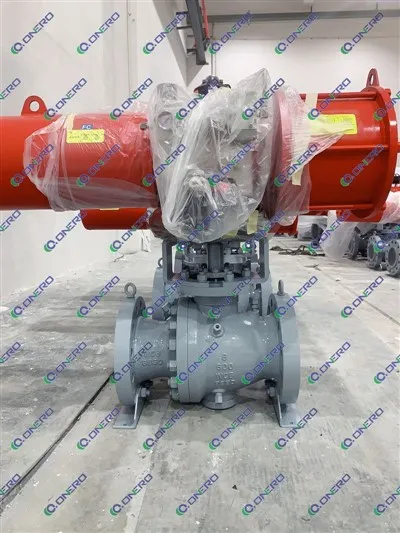
The quality of the valve itself is another factor. High - quality valves are usually built to last and maintain their accuracy over a longer period. They're made with better materials and more precise manufacturing processes. For instance, our Top Entry Trunnion Ball Valve is designed with high - grade materials and advanced engineering techniques. This type of valve is less likely to need frequent calibration compared to a lower - quality valve that might start to malfunction after a short period of use.
Signs That Calibration Is Needed
Even if you're not sure about the specific factors affecting your valve, there are some signs that can tell you it's time for calibration.
1. Inconsistent Flow
If you notice that the flow rate through the valve is inconsistent, it could be a sign that the valve isn't calibrated correctly. For example, if you're trying to maintain a constant flow of water through a 3 way ball valve in a water treatment plant, and you keep getting fluctuations in the flow rate, it's likely that the valve needs to be calibrated.
2. Leakage
Leakage around the valve is another red flag. A properly calibrated valve should form a tight seal when in the closed position. If you see any signs of fluid leaking from the valve, it could mean that the ball isn't sitting correctly in the valve seat, and calibration is required.
3. Difficulty in Operation
If it's becoming harder to turn the valve handle or if the valve seems to be sticking, this could indicate a problem with the valve's internal alignment. In such cases, calibration can often fix the issue and make the valve easier to operate.
The Calibration Process
Calibrating a 3 way ball valve isn't a super complicated process, but it does require some expertise. Here's a general overview of what it involves.
First, the valve needs to be inspected for any visible signs of damage or wear. This includes checking the ball, the valve seat, and the stem for any cracks or corrosion. If any damage is found, it might need to be repaired or replaced before calibration can take place.
Next, the valve is set to its different positions, and the flow rate and direction are measured using specialized equipment. These measurements are then compared to the valve's specifications. If there are any deviations, the valve is adjusted accordingly. This might involve adjusting the position of the ball or tightening the valve packing to ensure a proper seal.
Finally, after the adjustments are made, the valve is tested again to make sure it's operating within the required specifications. This process might need to be repeated a few times to get the valve calibrated accurately.
Our Product Range and Calibration Support
As a 3 way ball valve supplier, we offer a wide range of valves to suit different applications. Along with our Top Entry Trunnion Ball Valve, we also have Wafer Ball Valve and Stainless Lockable Ball Valve. These valves are designed with quality and performance in mind.
We understand that calibration can be a hassle for our customers, so we offer calibration support services. Our team of experts can help you determine how often your valve needs to be calibrated based on your specific application and operating conditions. We can also perform the calibration process for you, ensuring that your valve is always operating at its best.
Conclusion
So, do 3 way ball valves require regular calibration? It really depends on the application, operating conditions, and valve quality. While some valves might not need calibration very often, others, especially those in critical applications, require frequent calibration to ensure accurate and safe operation.


If you're in the market for a 3 way ball valve or need help with valve calibration, don't hesitate to reach out. We're here to help you find the right valve for your needs and keep it running smoothly.
References
- Industrial Valve Handbook: A Guide to Valve Selection, Installation, and Maintenance
- Valves and Actuators: Principles and Applications by John A. Nyquist