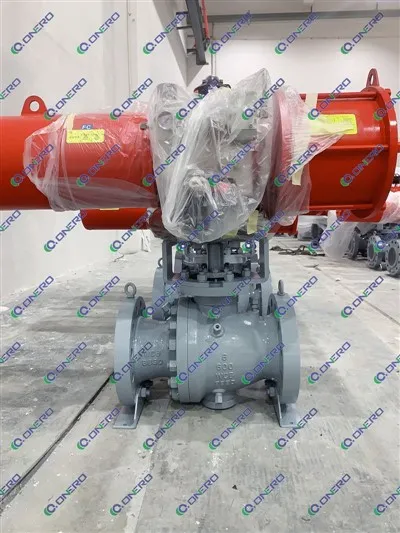
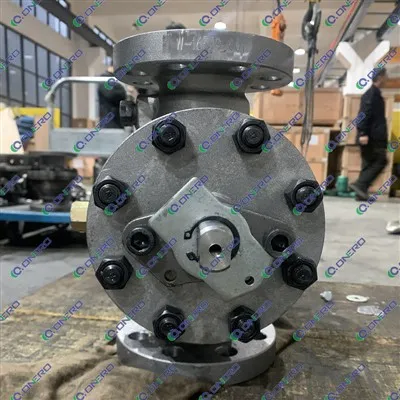
As a top entry valve supplier, I often encounter various questions from customers regarding valve installation. One of the most frequently asked questions is whether a top entry valve can be installed vertically. In this blog post, I will delve into this topic, exploring the technical aspects, advantages, and potential challenges associated with vertical installation of top entry valves.
Understanding Top Entry Valves
Top entry valves are a type of valve design where the internal components, such as the ball, seat, and stem, can be accessed and serviced from the top of the valve body. This design offers several benefits, including easy maintenance, reduced downtime, and the ability to perform in - line repairs. These valves are commonly used in a wide range of industries, such as oil and gas, chemical processing, and power generation.
Can a Top Entry Valve be Installed Vertically?
The short answer is yes, a top entry valve can be installed vertically. However, there are several factors that need to be considered to ensure proper operation and performance.
1. Gravity and Flow Direction
When a top entry valve is installed vertically, gravity plays a significant role. In a vertical installation, the flow direction can be either upward or downward. If the flow is upward, the valve needs to be designed to overcome the force of gravity to ensure proper seating and sealing. On the other hand, if the flow is downward, gravity can assist in the closing of the valve, but it may also cause issues with debris accumulation in the valve body.
2. Sealing Performance
The sealing performance of a top entry valve can be affected by vertical installation. In a vertical position, the distribution of forces on the valve seats may change compared to a horizontal installation. This can potentially lead to uneven wear on the seats, which may affect the valve's ability to provide a tight seal. Therefore, it is crucial to choose a valve with a robust sealing design that can withstand the forces associated with vertical installation.
3. Maintenance and Accessibility
One of the main advantages of top entry valves is their easy maintenance. In a vertical installation, the accessibility to the internal components may be slightly different compared to a horizontal installation. However, as long as the valve is designed with proper access points and clearances, maintenance can still be carried out efficiently.
Advantages of Vertical Installation
Despite the potential challenges, there are several advantages to installing a top entry valve vertically.
1. Space Saving
In many industrial settings, space is a precious commodity. Vertical installation of top entry valves can save significant floor space, especially in areas where horizontal installation may not be feasible due to space constraints.
2. Improved Drainage
Vertical installation can facilitate better drainage of the valve body. This is particularly important in applications where the fluid being handled contains solids or where there is a risk of fluid accumulation in the valve.
3. Compatibility with System Layout
In some cases, the overall system layout may require vertical installation of valves. For example, in a piping system that runs vertically, installing top entry valves vertically can simplify the piping design and reduce the number of bends and fittings.
Considerations for Vertical Installation
When considering vertical installation of a top entry valve, the following points should be taken into account:
1. Valve Design
Choose a valve that is specifically designed for vertical installation. Look for features such as a balanced seat design, which can help to compensate for the effects of gravity and ensure proper sealing.
2. Flow Conditions
Understand the flow conditions in your system, including the flow rate, pressure, and temperature. These factors can affect the performance of the valve in a vertical installation.
3. Maintenance Plan
Develop a comprehensive maintenance plan that takes into account the unique aspects of vertical installation. This may include more frequent inspections of the valve seats and internal components to detect any signs of wear or damage.


Our Product Range
As a top entry valve supplier, we offer a wide range of high - quality valves suitable for vertical installation. Our Forged Steel Fixed Ball Valve is designed with advanced technology to ensure excellent performance in both horizontal and vertical installations. It features a robust construction and a reliable sealing system, making it ideal for demanding applications.
We also provide Forged Steel Fixed Ball Valve with different specifications to meet the diverse needs of our customers. These valves are manufactured to the highest standards and undergo rigorous testing to ensure their quality and reliability.
In addition, our Cast Steel Fixed Ball Valve is another excellent option for vertical installation. It offers a cost - effective solution without compromising on performance.
Contact Us for Procurement
If you are considering the installation of top entry valves vertically for your project, we are here to help. Our team of experts can provide you with detailed technical advice and assistance in selecting the right valve for your specific needs. We understand the importance of choosing the correct valve and ensuring its proper installation to achieve optimal performance.
Whether you are in the oil and gas industry, chemical processing, or any other sector that requires reliable valve solutions, we can offer you the products and support you need. Contact us today to start the procurement process and discuss how our top entry valves can meet your requirements.
References
- Valve Handbook, 4th Edition, by J. S. T. Lovick and W. E. Saunders.
- Industrial Valves: Selection and Sizing, by Peter A. Schweitzer.
- Valve Technology and Applications, by Robert A. Smith.