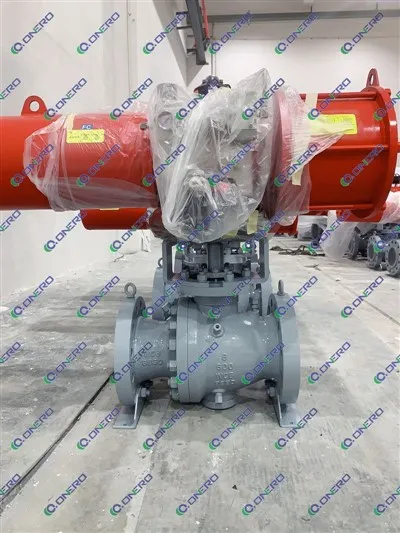
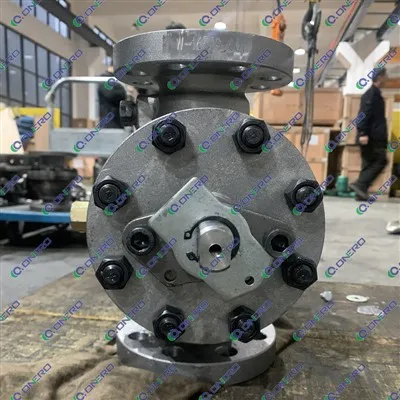
Hey there! I'm a supplier of 4 way valves, and I often get asked, "Can a 4 way valve be repaired?" Well, the short answer is yes, but there's a lot more to it than that. In this blog post, I'll break down the ins and outs of 4 way valve repair, including when it's possible, how it's done, and when it might be better to replace the valve altogether.
First off, let's talk about what a 4 way valve is and what it does. A 4 way valve is a type of valve that has four ports, allowing it to control the flow of fluid or gas in multiple directions. These valves are commonly used in a variety of industries, including HVAC, plumbing, and industrial processes. They're designed to be durable and reliable, but like any mechanical component, they can experience wear and tear over time.
So, when can a 4 way valve be repaired? In many cases, minor issues with a 4 way valve can be fixed without having to replace the entire valve. For example, if the valve is leaking due to a worn or damaged seal, the seal can often be replaced. Similarly, if the valve is not opening or closing properly due to a stuck or damaged actuator, the actuator can be repaired or replaced.
One of the key factors in determining whether a 4 way valve can be repaired is the extent of the damage. If the valve has suffered significant damage, such as a cracked body or a severely worn internal mechanism, it may not be feasible to repair it. In these cases, it's usually more cost-effective and practical to replace the valve with a new one.
Another important consideration is the age of the valve. Older valves may be more difficult to repair, as replacement parts may not be readily available. Additionally, older valves may have design or manufacturing flaws that make them more prone to failure. In some cases, it may be more beneficial to replace an older valve with a newer, more reliable model.
Now, let's talk about how a 4 way valve is repaired. The repair process typically involves several steps. First, the valve needs to be removed from the system and disassembled. This allows the technician to inspect the internal components and identify the source of the problem. Once the problem has been identified, the technician can then replace or repair the damaged parts.
After the damaged parts have been replaced or repaired, the valve needs to be reassembled and tested to ensure that it's working properly. This may involve using specialized testing equipment to check the valve's flow rate, pressure, and other performance parameters. If the valve passes the testing, it can then be reinstalled in the system.
It's important to note that repairing a 4 way valve should only be done by a qualified technician. Working with valves can be dangerous, as they often handle high-pressure fluids or gases. A qualified technician will have the knowledge, skills, and tools necessary to safely and effectively repair the valve.
So, when might it be better to replace a 4 way valve instead of repairing it? As I mentioned earlier, if the valve has suffered significant damage or is very old, it may be more cost-effective and practical to replace it. Additionally, if the valve is no longer meeting the performance requirements of the system, it may be necessary to upgrade to a newer, more advanced model.


Another factor to consider is the cost of repair versus the cost of replacement. In some cases, the cost of repairing a valve may be close to or even exceed the cost of a new valve. In these situations, it makes more sense to replace the valve.
In addition to 4 way valves, we also supply a variety of other types of valves, including Wafer Ball Valve, Jacket Ball Valve, and DBB Double Ball Valve. These valves are designed to meet the specific needs of different industries and applications.
If you're in the market for a 4 way valve or any other type of valve, I encourage you to reach out to us. We have a team of experts who can help you select the right valve for your needs and provide you with all the information you need to make an informed decision. Whether you need a valve for a new project or a replacement for an existing valve, we've got you covered.
In conclusion, a 4 way valve can often be repaired, but it depends on the extent of the damage, the age of the valve, and other factors. If you're experiencing problems with a 4 way valve, it's best to consult with a qualified technician to determine the best course of action. And if you're in the market for a new valve, don't hesitate to contact us. We're here to help you find the right valve for your needs and ensure that your system runs smoothly.
References
- Valve Handbook, Third Edition by Robert A. Christie
- Fluid Control Valve Handbook by Milton Beychok