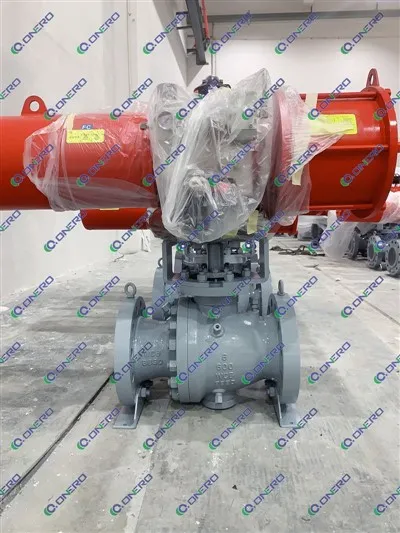
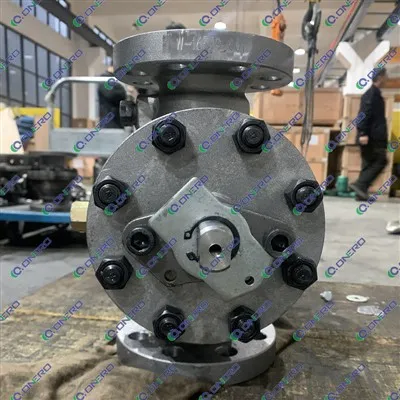
When it comes to floating ball valves, selecting the right actuator is crucial for ensuring optimal performance and functionality. As a leading supplier of floating ball valves, I understand the importance of matching the appropriate actuator to the valve to meet the specific requirements of various applications. In this blog post, I'll explore the different types of actuators that can be used with floating ball valves, highlighting their features, benefits, and suitable use cases.
Electric Actuators
Electric actuators are a popular choice for floating ball valves due to their precision, reliability, and ease of control. These actuators use an electric motor to drive the valve stem, allowing for accurate positioning and modulation of the valve. They are commonly used in applications where remote operation, automation, and precise control are required.
One of the key advantages of electric actuators is their ability to provide precise control over the valve position. This makes them ideal for applications where accurate flow regulation is essential, such as in chemical processing, water treatment, and HVAC systems. Electric actuators can also be easily integrated with control systems, allowing for seamless automation and remote monitoring.
Another benefit of electric actuators is their low maintenance requirements. Unlike pneumatic actuators, which require a compressed air supply, electric actuators do not have any moving parts that require regular lubrication or maintenance. This makes them a cost-effective solution for long-term use.
However, electric actuators do have some limitations. They are generally more expensive than pneumatic actuators, and they require a reliable power supply. In addition, they may not be suitable for applications where explosive or hazardous environments are present, as they can generate sparks.
Pneumatic Actuators
Pneumatic actuators are another common choice for floating ball valves. These actuators use compressed air to drive the valve stem, providing fast and reliable operation. They are widely used in industrial applications where high-speed operation, fail-safe functionality, and cost-effectiveness are important.
One of the main advantages of pneumatic actuators is their fast response time. They can open or close the valve in a matter of seconds, making them ideal for applications where quick shut-off or emergency isolation is required. Pneumatic actuators are also highly reliable, as they have fewer moving parts compared to electric actuators.
Another benefit of pneumatic actuators is their fail-safe functionality. In the event of a power failure or loss of compressed air supply, pneumatic actuators can be designed to automatically close or open the valve, providing an additional layer of safety. This makes them a popular choice for applications in the oil and gas, chemical, and power generation industries.
However, pneumatic actuators do have some drawbacks. They require a compressed air supply, which can be expensive to install and maintain. In addition, they may not be suitable for applications where precise control is required, as they are typically designed for on/off operation.


Hydraulic Actuators
Hydraulic actuators are a powerful and reliable option for floating ball valves. These actuators use hydraulic fluid to drive the valve stem, providing high torque and precise control. They are commonly used in applications where large valve sizes, high-pressure ratings, and heavy-duty operation are required.
One of the main advantages of hydraulic actuators is their high torque output. They can generate a large amount of force, allowing them to operate valves in high-pressure and high-temperature environments. Hydraulic actuators are also highly precise, as they can be controlled to within a few degrees of rotation.
Another benefit of hydraulic actuators is their durability. They are designed to withstand harsh operating conditions, such as extreme temperatures, corrosive environments, and high vibration. This makes them a popular choice for applications in the mining, construction, and marine industries.
However, hydraulic actuators do have some limitations. They are generally more expensive than electric and pneumatic actuators, and they require a hydraulic power unit to operate. In addition, they may not be suitable for applications where space is limited, as they are typically larger and heavier than other types of actuators.
Manual Actuators
Manual actuators are the simplest and most cost-effective option for floating ball valves. These actuators use a handwheel or lever to operate the valve stem, providing direct control over the valve position. They are commonly used in applications where low-cost, low-volume, and manual operation are required.
One of the main advantages of manual actuators is their simplicity. They have no electrical or pneumatic components, which makes them easy to install and maintain. Manual actuators are also highly reliable, as they have no moving parts that can fail.
Another benefit of manual actuators is their cost-effectiveness. They are generally the least expensive option for floating ball valves, making them a popular choice for small-scale applications or where budget is a concern.
However, manual actuators do have some limitations. They require physical effort to operate, which can be difficult for large valve sizes or high-pressure applications. In addition, they may not be suitable for applications where remote operation or automation is required.
Choosing the Right Actuator
When choosing an actuator for a floating ball valve, there are several factors to consider. These include the valve size, pressure rating, operating temperature, flow rate, and control requirements. It is also important to consider the environment in which the valve will be installed, as some actuators may not be suitable for hazardous or explosive environments.
As a floating ball valve supplier, I can help you select the right actuator for your specific application. I offer a wide range of electric, pneumatic, hydraulic, and manual actuators that are compatible with my Forged Steel Floating Ball Valve and Cast Steel Floating Ball Valve products. I can also provide technical support and installation services to ensure that your valve and actuator are properly installed and functioning correctly.
If you are interested in learning more about the different types of actuators that can be used with floating ball valves, or if you have any questions about my products or services, please feel free to contact me. I would be happy to discuss your requirements and help you find the right solution for your application.
References
- "Valve Handbook," by J. Paul Tullis
- "Actuators for Industrial Valves," by Peter J. Nash
- "Floating Ball Valve Technology," by John Doe