


Hard Seal Ball Valve
Company Profile
Onero Valve Corporation, founded in 1986, is located in Yongjia County, Zhejiang Province, where is known as "Chinese township of pumps and valves ". Onero Valve Corporation focused on ball valve products manufacturing more than 20 years. And the registered capital has 7.3 million dollars. Our company is one of the earliest ball valve manufacturers in Wenzhou.
Onero Valve Corporation Currently has two production bases, all kinds of technical personnel 40 people, and more than 140 employees. The factory has a full range of equipment, and there are specialized in processing, batching, assembly, testing ,painting and boxing personnel, who strictly control the process.
Why choose us?
High quality
Our products are manufactured or executed to very high standards, using the finest materials and manufacturing processes.
Professional team
Our professional team collaborate and communicate effectively with one another, and are committed to delivering high-quality results. They are capable of handling complex challenges and projects that require their specialized expertise and experience.
Rich experience
Our company has many years of production work experience. The concept of customer-oriented and win-win cooperation makes the company more mature and stronger.
One-stop solution
We can offer a range of services, from consultation and advice to product design and delivery. It is a convenience for the customers, as they can get all the help they need in one place.
A hard seal ball valve is a type of valve that uses a hard seal, typically made from materials such as stainless steel or ceramic, to provide a leak-proof closure. The valve consists of a ball-shaped body with a bore that allows fluid or gas to flow through it when the valve is open. The ball is mounted on a rod that allows it to rotate within the valve body, and the hard seal is located around the circumference of the ball.
When the valve is closed, the hard seal creates a tight seal around the ball bore, preventing any fluid or gas from leaking through the valve. Hard seal ball valves are often used in applications where leakage could be hazardous or environmentally damaging, such as in the oil and gas industry, chemical processing, and power generation.
Benefits of Hard Seal Ball Valve
Leak-proof sealing
The hard seal of the ball valve creates a perfect seal that prevents any fluid or gas from leaking through the valve. This feature makes hard seal ball valves suitable for applications where leakage could pose safety hazards or environmental damage.
Durability
Hard seal ball valves are made of sturdy materials such as stainless steel or ceramic, which makes them durable and resistant to wear and tear, corrosion, and other factors that can degrade the performance of softer seals over time.
Easy maintenance
Hard seal ball valves are easy to maintain because they have fewer moving parts, which reduces the risk of breakdowns and malfunctions. They are also less likely to stick or seize up, which can cause maintenance issues with other valve types.
Long lifespan
The hard seal materials used in these valves are known for their longevity, which means that hard seal ball valves can last for a long time without needing replacement. This feature helps to reduce maintenance costs and increase productivity.
Versatility
Hard seal ball valves are versatile and can be used in various applications, including the oil and gas industry, chemical processing, power generation, food and beverage manufacturing, and many others. They are available in different sizes, pressure ratings, and materials to suit different applications.
Fast acting
Hard seal ball valves can open and close quickly, making them suitable for applications that require fast and precise control of flow rates.
Types of Hard Seal Ball Valve
Full bore hard seal ball valve
This type of valve has a full-size opening that matches the pipe diameter. It allows for full flow capacity and is ideal for applications where the flow rate needs to be maximized.
Reduced bore hard seal ball valve
This type of valve has a smaller opening than the pipe diameter. It is designed to provide a tighter seal and is often used in applications where the pressure rating of the pipeline is high.
Three-piece hard seal ball valve
This type of valve is designed with a detachable body, allowing for easy inspection, cleaning, and maintenance. It is ideal for applications where routine maintenance is required.
Double offset hard seal ball valve
This type of valve has an offset stem and a ball that is offset from the center of the valve body. It is designed to prevent the valve from sticking and provides a more balanced flow.
V-port hard seal ball valve
This type of valve has a v-shaped opening in the ball that allows for throttling and metering of the flow. It is ideal for applications where precise control of the flow rate is required.
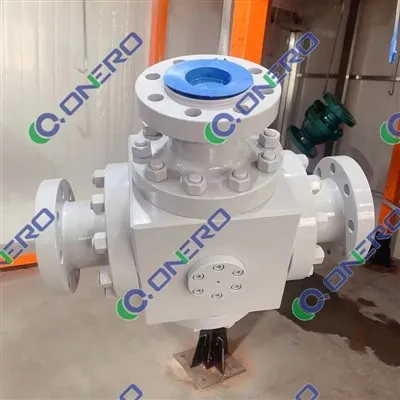
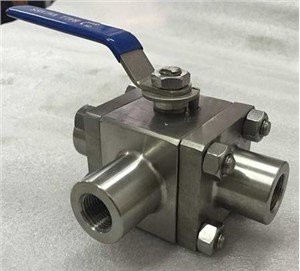
Multi-port hard seal ball valve
This type of valve has multiple openings in the ball, allowing for multiple flow paths. It is ideal for applications where more than one inlet or outlet is required.
The material of hard seal ball valves can vary depending on the specific application and requirements. Here are some of the most common materials used to manufacture hard seal ball valves:
Stainless steel: Stainless steel is a popular material for hard seal ball valves due to its excellent resistance to corrosion, heat, and wear. It is commonly used in applications where the valve will be exposed to harsh chemicals or high temperatures.
Carbon steel: Carbon steel is another commonly used material for hard seal ball valves. It is less expensive than stainless steel but still provides good strength and durability. Carbon steel is often used in applications where the valve will be exposed to abrasive substances or high pressure.
Aluminum: Aluminum is a lightweight material that is ideal for applications where the valve needs to be lightweight and portable. It is also resistant to corrosion and provides good thermal conductivity.
Plastic: Plastic is a cost-effective material that is often used in applications where the valve will be used for low-pressure applications. Plastic valves are often used in the food and beverage industry or other applications where the valve needs to be lightweight and easy to clean.
Hastelloy: Hastelloy is a nickel-based alloy that provides excellent resistance to corrosion and high temperatures. It is often used in applications where the valve will be exposed to highly corrosive substances or extreme temperature fluctuations.
The material used to manufacture hard seal ball valves depends on the specific application and requirements. The valve material must be compatible with the media being handled, provide adequate strength and durability, and offer appropriate corrosion resistance for the application.
Application of Hard Seal Ball Valve
Oil and gas industry
Hard seal ball valves are commonly used in the oil and gas industry for controlling the flow of oil, gas, and other hydrocarbons. They are used in drilling rigs, refineries, and pipelines to ensure safe and efficient transportation of fluids.
Chemical processing
Hard seal ball valves are used in the chemical processing industry for handling corrosive and hazardous chemicals. They are designed to withstand high pressure and extreme temperature fluctuations while providing reliable sealing.
Power generation
Hard seal ball valves are used in power plants for controlling the flow of water, steam, and other gases. They are used in boiler feedwater systems, steam turbines, and cooling towers to ensure efficient power generation.
Food and beverage industry
Hard seal ball valves are used in the food and beverage industry for handling food-grade liquids and gases. They are designed to be cleanable and sanitary, ensuring the production of safe and quality food products.
Pharmaceutical industry
Hard seal ball valves are used in the pharmaceutical industry for handling highly corrosive and hazardous chemicals. They are used in manufacturing processes for producing drugs and medical devices.
Mining industry
Hard seal ball valves are used in the mining industry for handling abrasive and corrosive materials. They are used in slurry lines, leaching solutions, and other mining processes to ensure efficient and safe extraction of minerals.
Water and wastewater treatment
Hard seal ball valves are used in water treatment plants for controlling the flow of water and wastewater. They are used in filtration systems, reverse osmosis plants, and wastewater treatment facilities to ensure clean and safe water supply.
Design and engineering
The first step in the production process is the design and engineering of the valve. Engineers use computer-aided design (CAD) software to create a detailed blueprint of the valve, which includes specifications such as material type, size, pressure rating, and sealing mechanism.
Material selection
Once the design is complete, the appropriate material is selected based on the application requirements. Common materials used in hard seal ball valves include stainless steel, carbon steel, plastic, and Hastelloy. The material selection process takes into account factors such as corrosion resistance, strength, and temperature resistance.
Fabrication
The valve components are then fabricated using cutting-edge machinery and techniques, such as CNC machining and laser cutting. This ensures that the components are manufactured to precise specifications and tolerances.
Assembly
The individual components of the valve are assembled using specialized equipment and tools. The assembly process includes the installation of the ball, seats, stem, and actuator. During assembly, the valve undergoes rigorous testing to ensure that it meets the necessary quality and performance standards.
Testing
Once the valve is assembled, it undergoes extensive testing to verify its performance. This includes pressure testing, leakage testing, and visual inspection to ensure that there are no defects or imperfections.
Painting and packaging
Finally, the valve is painted with a protective coating to prevent corrosion and packaged for shipment. The packaging includes all necessary documentation and ensures that the valve arrives at its destination in perfect condition.
Components of Hard Seal Ball Valve
Body
The body is the main component of the valve, which houses the internal parts and connections. It is typically made of metal, such as stainless steel or carbon steel, and is responsible for connecting the valve to the pipeline.
Ball
The ball is the central component of the valve, which contains the flow path. It has a hole bored through its center that aligns with the inlet and outlet ports when the valve is open. The ball is typically made of metal and has a hard seal coating applied to the surface to provide a leak-tight seal when the valve is closed.
Seats
The seats are annular rings that provide the sealing surface between the ball and the valve body. There are typically two seats in a hard seal ball valve, one on each side of the ball. When the valve is closed, the seats compress against the surface of the ball to form a seal.
Stem
The stem is a metal rod that connects the ball to the actuator. It is responsible for transmitting the motion of the actuator to the ball, causing it to rotate and open or close the valve. The stem is typically coated with a corrosion-resistant material to prevent wear and tear.
Actuator
The actuator is the component that controls the opening and closing of the valve. There are two types of actuators: manual and automatic. Manual actuators include handwheels, gears, and levers, while automatic actuators include electric motors, pneumatic cylinders, and hydraulic cylinders. The actuator is typically mounted on top of the valve body and is connected to the stem.
Bolts and nuts
Bolts and nuts are used to secure the valve's body together and hold the valve's components in place. They are typically made of high-strength metals and are designed to withstand the pressure and stress of the fluid being controlled.
How to Maintain Hard Seal Ball Valve
Regular inspection
Regularly inspect the valve for any signs of damage or wear and tear. Check for leaks, corrosion, or cracks in the valve body, seats, and stem. Also, check the operation of the actuator to ensure that it is functioning correctly.
Lubrication
Lubricate the valve regularly to reduce friction and improve its operation. Use a lubricant suitable for the valve material and operating conditions. Apply the lubricant to the stem and ball bearing to ensure smooth operation of the valve.
Cleaning
Clean the valve regularly to remove any dirt, dust, or debris that may accumulate over time. Use a soft-bristled brush and a mild cleaning solution to avoid damaging the valve surface. Do not use abrasive materials or strong chemicals that may damage the valve surface.
Replace worn out parts
If any parts of the valve show signs of wear and tear, replace them promptly to avoid further damage. Replace the seats, stem, and ball if they are damaged or worn out. Always use genuine replacement parts to ensure optimal performance of the valve.
Test the valve
Regularly test the valve to ensure that it is functioning correctly. Test the valve for leaks, pressure, and temperature ratings. Also, test the operation of the actuator to ensure that it is working correctly.
Store properly
If the valve is not in use, store it in a dry and clean place to avoid corrosion and damage. Cover the valve to protect it from dust and dirt, and store it in a vertical position to prevent any deformation.
The working principle of a hard seal ball valve involves controlling the flow of fluid through the valve by rotating a ball-shaped closure element that is mounted within the valve body. Here are the steps involved in the working principle of a hard seal ball valve:
Valve body: The valve body is a hollow cylinder that contains the valve's internal parts. It is typically made of metal, such as stainless steel or carbon steel, and has threaded or welded connections for attaching it to pipes.
Ball: The ball is the most crucial component of the hard seal ball valve. It is a sphere with a hole drilled through its center. The ball is mounted inside the valve body so that it can rotate freely around its axis. The surface of the ball is coated with a hard seal material, such as PTFE or graphite, to provide a leak-proof seal when the valve is closed.
Seats: The seats are the sealing elements that provide a leak-tight seal between the ball and the valve body. There are typically two seats in a hard seal ball valve, one on each side of the ball. The seats are annular rings that compress against the surface of the ball when the valve is closed, forming a seal that prevents fluid from leaking through the valve.
Stem: The stem is a metal rod that connects the ball to the valve's actuator. The stem is rotated by the actuator, which causes the ball to rotate and open or close the valve. The stem is typically coated with a corrosion-resistant material to prevent wear and tear.
Actuator: The actuator is the component that controls the opening and closing of the valve. There are two types of actuators: manual and automatic. Manual actuators include handwheels, gears, and levers, while automatic actuators include electric motors, pneumatic cylinders, and hydraulic cylinders. The actuator is typically mounted on top of the valve body and is connected to the stem.
Operation: When the valve is in the closed position, the ball is rotated 90 degrees so that the hole in the ball is perpendicular to the flow of fluid. In this position, the seats compress against the surface of the ball, forming a seal that prevents fluid from passing through the valve. When the valve is in the open position, the ball is rotated back to its original position so that the hole in the ball is aligned with the flow of fluid. This allows fluid to pass through the valve freely.
The working principle of a hard seal ball valve involves controlling the flow of fluid through the valve by rotating a ball-shaped closure element that is mounted within the valve body. The ball is coated with a hard seal material to provide a leak-proof seal when the valve is closed, and the seats compress against the surface of the ball to form a seal that prevents fluid from leaking through the valve. The stem and actuator transmit the motion to the ball, allowing it to rotate and open or close the valve.
How to Choose Hard Seal Ball Valve
Material
The material of the valve body, ball, seats, and stem is crucial as it must be compatible with the type of fluid being handled. Stainless steel and carbon steel are commonly used materials for valve bodies, while PTFE, graphite, or polypropylene are used for seats and seals.
Size
The valve size must match the pipe size to ensure proper flow. The valve's bore diameter and length should be chosen based on the flow rate and pressure requirements.
Pressure rating
The pressure rating of the valve should be equal to or higher than the system's maximum pressure to prevent leakage or failure.
Temperature rating
The valve's temperature rating should also be compatible with the fluid's temperature range.
End connection
The end connection type (e.g., threaded, flanged, etc.) should be selected based on the piping configuration and installation requirements.
Actuator type
The type of actuator (manual, electric, pneumatic, or hydraulic) should be chosen based on the application requirements and control preferences.
Valve design
The valve design should be chosen based on the application's specific requirements. For example, a double-sealed ball valve is recommended for high-pressure applications, while a v-ball valve is ideal for throttling applications.
Quality
The quality of the valve should be ensured by selecting a reputable manufacturer and verifying the valve's certification and compliance with industry standards.
Cost
The cost of the valve should be balanced with the application's requirements and budget constraints.
Maintenance
The valve's maintenance requirements should be considered, including the availability of spare parts and maintenance services from the manufacturer.
Certifications


Our Factory
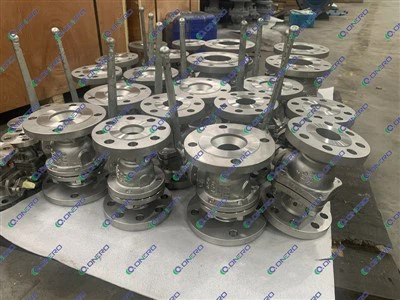
The main products are ball valves,which it has been granted with certifications including ISO, API, ANSI, BS, JIS, EN, GB, ASME etc. Our product specifications are applied from DN15-DN1400, working pressure from 0.1Mpa to 42Mpa,and the temperature from -196-680℃. We can choose various materials according to customers' requirements.


FAQ
Hot Tags: ball valve seal kit, China hard seal ball valve manufacturers, suppliers, factory,sealing ball valve, two piece ball valve, full port ball valve, ball valve for hvac, ball valve for valve open close switches, ball valve for flow meters, ball valve for valve pneumatic switches
Previous
Jacket Ball ValveYou Might Also Like



Send Inquiry