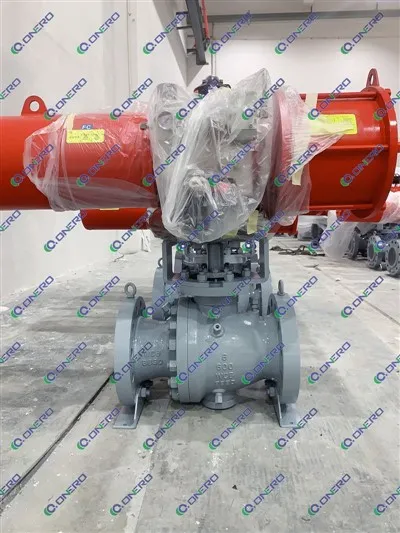
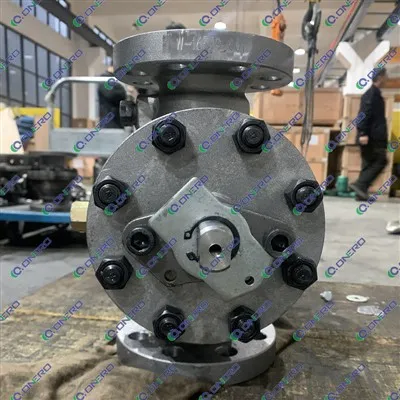
Hey there! As a trunnion valve supplier, I often get asked about the maintenance cycle of trunnion valves. It's a crucial topic because proper maintenance not only ensures the smooth operation of these valves but also extends their lifespan. So, let's dive right in and explore what the maintenance cycle of a trunnion valve looks like.
First off, let's understand what a trunnion valve is. A trunnion valve is a type of ball valve that uses a trunnion-mounted ball. This design provides additional support to the ball, making it suitable for high-pressure and large-diameter applications. Trunnion valves are commonly used in industries such as oil and gas, chemical, and power generation.
Now, when it comes to the maintenance cycle, there isn't a one - size - fits - all answer. The maintenance frequency of a trunnion valve depends on several factors.
Operating Conditions
One of the most significant factors is the operating conditions. If the valve is used in a harsh environment with high - pressure, high - temperature, or corrosive media, it will require more frequent maintenance. For example, in an oil refinery where the valve is exposed to crude oil and various chemicals, the internal components can wear out faster. In such cases, a visual inspection might be needed every three to six months, and a more in - depth maintenance check could be scheduled annually.
On the other hand, if the valve is operating in a relatively clean and low - stress environment, like a water treatment plant with normal water pressure and temperature, the maintenance intervals can be longer. A visual inspection once a year and a comprehensive maintenance every two to three years might be sufficient.
Valve Usage
How often the valve is used also plays a big role. A trunnion valve that is opened and closed frequently will experience more wear and tear compared to one that remains in a static position most of the time. For valves in continuous operation, such as those in a pipeline that transports gas 24/7, the maintenance cycle should be shorter. Maybe a partial inspection every six months and a full overhaul every one to two years. Valves that are used sporadically, like those in emergency shutdown systems, can have longer maintenance intervals, perhaps a full inspection every three to five years.
Manufacturer's Recommendations
The manufacturer's guidelines are always a great starting point. They have in - depth knowledge of the valve's design and materials and can provide specific maintenance schedules. These recommendations are based on extensive testing and real - world experience. So, make sure to follow the manufacturer's instructions carefully.
Components of the Maintenance Cycle
Visual Inspection
The first step in the maintenance cycle is usually a visual inspection. This can be done quickly and easily. Check for any signs of external damage, such as cracks, dents, or corrosion on the valve body. Look at the valve stem and actuator for any signs of leakage or abnormal movement. A simple visual inspection can often detect early problems that, if left untreated, could lead to more serious issues down the line.
Lubrication
Lubrication is essential for the smooth operation of a trunnion valve. The moving parts, such as the ball, stem, and bearings, need to be properly lubricated to reduce friction and wear. The frequency of lubrication depends on the operating conditions and the type of lubricant used. In general, it's a good idea to lubricate the valve at least once a year, but in harsh environments, it might need to be done more often.
Seal Replacement
The seals in a trunnion valve are critical for preventing leakage. Over time, the seals can wear out due to friction, temperature changes, and chemical exposure. Depending on the operating conditions, the seals might need to be replaced every one to three years. A failed seal can lead to significant problems, including product loss and environmental hazards, so it's important to stay on top of seal replacement.
Internal Inspection
Periodically, a more in - depth internal inspection is required. This involves disassembling the valve to check the internal components, such as the ball, seats, and trunnion. Look for signs of wear, erosion, or damage. If any components are worn beyond the acceptable limits, they should be replaced. Internal inspections are usually done every one to three years, depending on the factors mentioned earlier.
Our Trunnion Valve Offerings
As a trunnion valve supplier, we offer a wide range of high - quality trunnion valves. We have Cast Steel Fixed Ball Valve which are known for their durability and reliability. These valves are suitable for a variety of applications and can withstand different operating conditions.


We also have Forged Steel Fixed Ball Valve that are ideal for high - pressure and high - temperature applications. Our forged steel valves are manufactured using the latest technology and high - quality materials to ensure long - term performance.
If you're looking for a reliable source of forged steel fixed ball valves, check out our Forged Steel Fixed Ball Valve factory. We have a team of experts who can help you choose the right valve for your specific needs.
Importance of Regular Maintenance
Regular maintenance of trunnion valves is not just about keeping them in good working condition. It also has significant cost - saving benefits. By preventing major breakdowns, you can avoid costly repairs and downtime. A well - maintained valve is also more energy - efficient, which can lead to lower operating costs over time.
In addition, proper maintenance helps ensure compliance with safety and environmental regulations. Leaking valves can pose a risk to workers and the environment, so regular maintenance is essential for preventing such issues.
Contact Us for Procurement
If you're in the market for trunnion valves or need more information about valve maintenance, don't hesitate to reach out. We're here to help you find the best solutions for your needs. Whether you're a small business or a large industrial corporation, we have the expertise and products to meet your requirements.
References
- Valve Handbook, 4th Edition by Arnold M. Warshawsky
- Valve Maintenance and Troubleshooting Guide by Industry Publications
- Manufacturer's manuals for trunnion valves