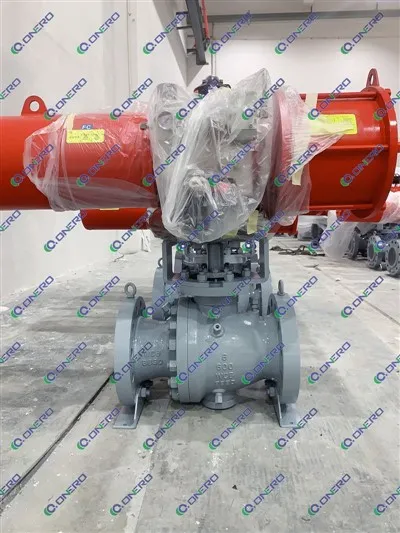
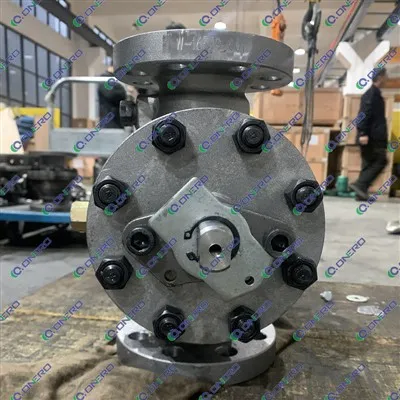
As a supplier of 4-inch 3-way valves, I understand the importance of protecting these crucial components from external damage. A 4-inch 3-way valve is a significant investment, and ensuring its longevity and proper functioning is essential for both our customers and our business. In this blog post, I'll share some effective strategies to safeguard these valves from various external threats.
Understanding the External Threats
Before delving into the protection methods, it's vital to recognize the potential external factors that can cause damage to a 4-inch 3-way valve. These threats can be categorized into mechanical, environmental, and chemical factors.
Mechanical Damage
Mechanical damage often results from physical impacts, vibrations, or improper handling. For instance, during transportation, a valve can be jostled around in the vehicle, leading to dents or loose connections. In industrial settings, heavy machinery operating nearby can generate vibrations that gradually loosen the valve's components or cause misalignment.
Environmental Damage
Environmental factors such as extreme temperatures, humidity, and dust can also take a toll on the valve. High temperatures can cause the valve materials to expand, leading to leaks or reduced functionality. On the other hand, low temperatures can make the materials brittle, increasing the risk of cracking. Humidity can promote corrosion, especially if the valve is made of metals susceptible to rust. Dust and debris can accumulate inside the valve, clogging the passages and affecting its flow control capabilities.
Chemical Damage
Exposure to chemicals can corrode the valve's surfaces and internal components. In industries where corrosive substances are used, such as the chemical processing or wastewater treatment sectors, the valve can be at high risk of chemical damage. Even in less harsh environments, certain cleaning agents or contaminants in the fluid flowing through the valve can cause chemical reactions that degrade the valve over time.
Protective Measures
Proper Packaging and Transportation
One of the first steps in protecting a 4-inch 3-way valve is to ensure proper packaging during transportation. We use high-quality packaging materials that can absorb shocks and vibrations. For example, we wrap the valve in foam padding and place it in a sturdy cardboard box with additional cushioning materials around it. This helps to prevent any physical impacts that could damage the valve during transit.
When transporting the valve, we also take care to secure it properly in the vehicle. We use straps or brackets to hold the valve in place, minimizing the movement and reducing the risk of damage from vibrations. Additionally, we choose reliable shipping partners who have experience in handling delicate industrial equipment to ensure the valve arrives at its destination in good condition.
Installation in a Suitable Environment
The location where the valve is installed plays a crucial role in its protection. We recommend installing the valve in a clean, dry, and well-ventilated area. Avoid areas with excessive dust, moisture, or extreme temperatures. If the valve needs to be installed in an industrial environment with high levels of dust or chemicals, we suggest using enclosures or protective covers to shield it from these external factors.
For example, in a manufacturing plant where there is a lot of dust and debris, we can install the valve inside a sealed cabinet with a filter system to prevent dust from entering. In outdoor installations, we can use weatherproof enclosures to protect the valve from rain, snow, and UV radiation.
Regular Maintenance and Inspection
Regular maintenance and inspection are essential for detecting and preventing potential damage to the valve. We recommend establishing a maintenance schedule and following it diligently. During maintenance, we check for signs of wear and tear, such as leaks, corrosion, or loose connections. We also clean the valve to remove any dirt or debris that may have accumulated inside.
Inspection should include checking the valve's operation, ensuring that it opens and closes smoothly and that the flow control is accurate. We use specialized tools and equipment to perform these checks, such as pressure gauges and flow meters. If any issues are detected during the inspection, we recommend taking immediate action to repair or replace the damaged components.
Use of Protective Coatings
Applying protective coatings to the valve can significantly enhance its resistance to corrosion and chemical damage. There are various types of coatings available, such as epoxy coatings, ceramic coatings, and powder coatings. These coatings create a barrier between the valve's surface and the external environment, preventing corrosive substances from coming into contact with the metal.
Before applying the coating, we ensure that the valve's surface is clean and free of any contaminants. We then apply the coating using the appropriate method, such as spraying or dipping. The coating should be applied evenly and in the recommended thickness to ensure maximum protection.
Training for Operators
Proper training for operators is crucial for preventing damage to the valve. Operators should be familiar with the valve's operation, maintenance requirements, and safety procedures. We provide comprehensive training programs for our customers' operators, covering topics such as valve installation, operation, and troubleshooting.
During the training, we emphasize the importance of following the correct operating procedures, such as not over-tightening the valve or using excessive force when opening or closing it. We also teach operators how to identify signs of potential problems and what actions to take in case of an emergency.


Choosing the Right Valve
In addition to the protective measures mentioned above, choosing the right valve for the specific application is also essential. Different valves are designed to handle different types of fluids, pressures, and temperatures. When selecting a 4-inch 3-way valve, we consider factors such as the fluid properties, the operating conditions, and the required flow control capabilities.
For example, if the application involves handling corrosive fluids, we recommend using a valve made of corrosion-resistant materials, such as stainless steel or titanium. If the valve needs to operate at high pressures, we choose a valve with a higher pressure rating. By selecting the right valve, we can reduce the risk of damage and ensure the valve's long-term performance.
Our Product Offerings
As a supplier of 4-inch 3-way valves, we offer a wide range of high-quality valves to meet the diverse needs of our customers. Our valves are made from premium materials and are manufactured using advanced production techniques to ensure their reliability and durability.
In addition to our standard 4-inch 3-way valves, we also offer specialized valves, such as the Disc Floating Ball Valve and the Disc Floating Ball Valve. These valves are designed to provide superior performance in specific applications, such as high-pressure or high-temperature environments.
We also offer the Stainless Steel Ball Valve with Drain, which is ideal for applications where draining the valve is required. This valve is made of high-quality stainless steel, providing excellent corrosion resistance and long service life.
Contact Us for Procurement
If you are interested in purchasing a 4-inch 3-way valve or have any questions about valve protection, please feel free to contact us. Our team of experts is ready to assist you in selecting the right valve for your application and providing you with the necessary support and guidance. We are committed to providing our customers with the best products and services, and we look forward to working with you.
References
- Valve Handbook, Third Edition by J. Paul Tullis
- Industrial Valves: A Guide to Selection and Use by Cameron International Corporation
- Corrosion Resistance of Metals and Alloys by L. L. Shreir, R. A. Jarman, and G. T. Burstein