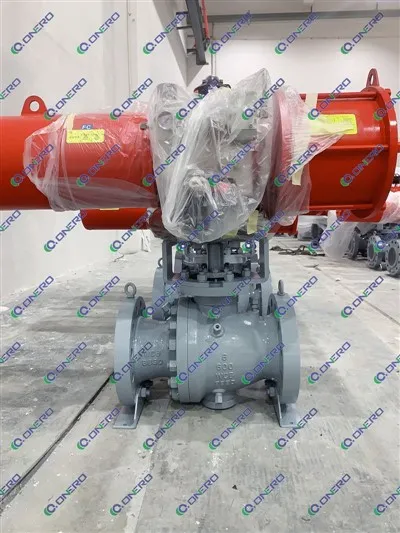
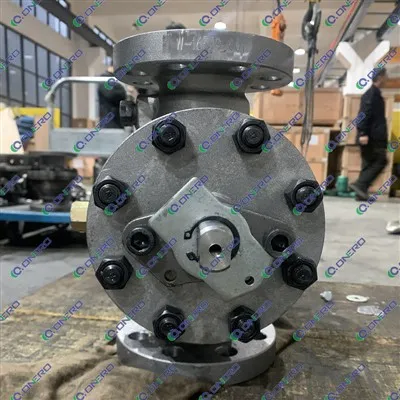
Hey there! As a supplier of 4 way valves, I've been getting a lot of questions lately about the flow - noise relationship of these valves. So, I thought I'd sit down and write this blog to share some insights on this topic.
First off, let's understand what a 4 way valve is. A 4 way valve is a type of valve that has four ports and can direct the flow of fluid in different directions. It's commonly used in various industrial applications, like in HVAC systems, hydraulic systems, and more. These valves are super handy as they can control the flow path of the fluid, allowing for different operational modes.
Now, let's dive into the flow - noise relationship. Flow in a 4 way valve refers to the movement of fluid through the valve. The rate of flow can vary depending on factors such as the pressure difference across the valve, the size of the valve ports, and the viscosity of the fluid. Noise, on the other hand, is an unwanted sound that can be generated when the fluid flows through the valve.
One of the main factors affecting the flow - noise relationship is the flow rate. When the flow rate is low, the fluid moves relatively smoothly through the valve, and the noise generated is usually minimal. But as the flow rate increases, things start to get a bit more chaotic. High - flow rates can cause turbulence in the fluid. Turbulence is like a whirlpool of fluid movement, and it can create pressure fluctuations. These pressure fluctuations then lead to vibrations in the valve components, which in turn produce noise.
Another factor is the valve design. Different 4 way valve designs can have different impacts on the flow - noise relationship. For example, a valve with sharp edges or sudden changes in the flow path can cause more turbulence and thus more noise compared to a valve with smooth, streamlined internal surfaces. Some valves are designed with special features to reduce noise. For instance, they might have internal baffles or diffusers that help to calm the fluid flow and reduce turbulence.
The type of fluid also plays a role. If the fluid is highly viscous, it tends to flow more slowly and smoothly, which generally results in less noise. On the other hand, a low - viscosity fluid can flow more quickly and is more likely to create turbulence and noise.
Let's talk about how we, as a 4 way valve supplier, deal with this flow - noise issue. We understand that noise can be a big problem in many applications. For example, in a quiet office building's HVAC system, excessive valve noise can be really annoying for the occupants. So, we focus on designing and manufacturing valves that minimize noise while maintaining efficient flow.
We use advanced computer - aided design (CAD) software to model the fluid flow inside the valves. This allows us to optimize the valve design to reduce turbulence and pressure fluctuations. We also conduct extensive testing on our valves. We measure the flow rates and the noise levels under different conditions to ensure that our valves meet the required standards.
In addition to our 4 way valves, we also offer a range of other high - quality valves. Check out our Metal Hard Seal Ball Valve, Top Entry Ball Valve, and Stainless Steel Fixed Ball Valve. These valves are designed with the same attention to detail and quality as our 4 way valves.
If you're in the market for 4 way valves or any of our other valve products, we'd love to hear from you. Whether you're an engineer working on a new project, a maintenance technician looking to replace some old valves, or a procurement manager responsible for sourcing high - quality valves, we can provide you with the right solutions. We can offer technical support, help you choose the most suitable valve for your application, and ensure a smooth purchasing process. So, don't hesitate to reach out and start a conversation about your valve needs.


In conclusion, the flow - noise relationship of a 4 way valve is a complex but important aspect to consider. By understanding the factors that affect this relationship and taking appropriate measures, we can provide valves that offer both efficient flow and low noise levels. If you have any questions or need more information, feel free to contact us. We're here to help you find the best valve solutions for your specific requirements.
References
- Fluid Mechanics textbooks for understanding fluid flow and turbulence
- Industry standards and guidelines for valve design and noise control