Vibration can be a real headache when it comes to ball valves. As a ball valve supplier, I've seen firsthand the kind of damage that excessive vibration can cause. In this blog, I'll share some practical tips on how to prevent vibration - related damage to ball valves.
Understanding the Causes of Vibration in Ball Valves
Before we can prevent vibration - related damage, we need to understand what causes the vibration in the first place. There are several factors that can lead to vibration in ball valves.
One common cause is fluid flow. When fluid passes through a ball valve at high velocities, it can create pressure fluctuations. These fluctuations can cause the valve to vibrate. For example, in a pipeline where the fluid is pumped at a very high rate, the sudden changes in pressure as the fluid moves through the valve can set it into vibration.
Another cause is mechanical resonance. Every ball valve has a natural frequency at which it vibrates most easily. If the frequency of the external forces acting on the valve (such as the vibration from nearby machinery) matches the valve's natural frequency, resonance occurs. Resonance can amplify the vibration to dangerous levels, leading to rapid wear and tear on the valve components.
Improper installation can also contribute to vibration. If the valve is not properly aligned or supported, it can be more prone to vibration. For instance, if the bolts holding the valve in place are loose, the valve can move around and vibrate as the fluid passes through it.
The Consequences of Vibration - Related Damage
Vibration - related damage to ball valves can have serious consequences. Firstly, it can lead to leakage. The constant shaking can cause the seals of the valve to wear out prematurely. This means that the valve may not be able to close properly, allowing fluid to leak through. In industrial settings, this can be a major safety hazard, especially if the fluid is toxic, flammable, or under high pressure.
Secondly, vibration can damage the internal components of the ball valve. The ball, stem, and other parts can experience excessive wear and tear. This can affect the valve's performance and reduce its lifespan. A damaged valve may not be able to control the flow of fluid accurately, leading to inefficiencies in the system.
Thirdly, vibration can cause noise pollution. In a factory or industrial plant, the constant rattling and shaking of the valves can create a noisy environment, which can be a nuisance for the workers and may even violate noise regulations.
Preventive Measures
1. Proper Valve Selection
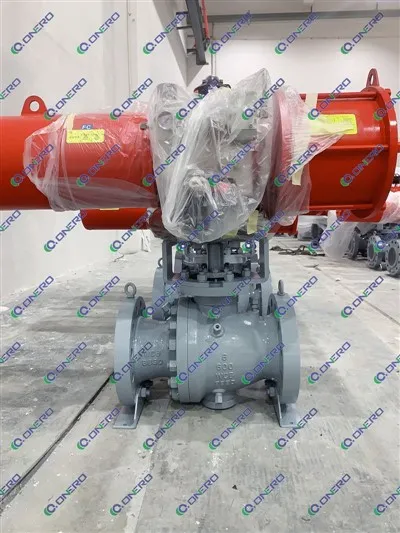
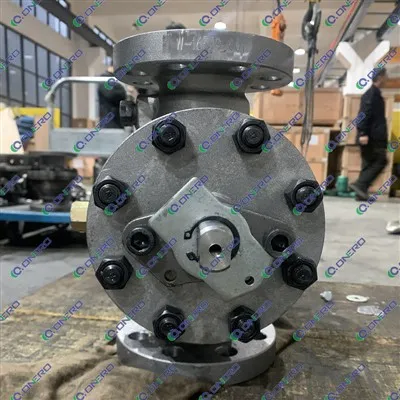
Choosing the right ball valve for the application is crucial. Different types of ball valves have different vibration - resistance characteristics. For example, the Top Entry Ball Valve is designed with a top - entry design that allows for easy maintenance and can sometimes be more resistant to vibration compared to other types. The Hard Seal Ball Valve has a hard - sealing structure that can withstand more pressure and vibration. And the Stainless Steel Wafer Ball Valve is made of stainless steel, which is strong and can resist vibration - induced damage. When selecting a valve, consider the flow rate, pressure, and temperature of the fluid, as well as the environment in which the valve will be installed.
2. Correct Installation
Proper installation is key to preventing vibration. Make sure the valve is correctly aligned with the pipeline. Any misalignment can cause uneven stress on the valve, leading to vibration. Use the right tools and techniques to tighten the bolts and connections securely. Also, ensure that the valve is properly supported. Depending on the size and weight of the valve, additional supports such as brackets or hangers may be required. This will help to keep the valve stable and reduce the chances of vibration.
3. Flow Control
Controlling the fluid flow can also help to reduce vibration. Avoid sudden changes in flow rate or pressure. Gradual adjustments are better for the valve. You can use flow control devices such as regulators or throttling valves to manage the flow more smoothly. This will reduce the pressure fluctuations that can cause the valve to vibrate.
4. Dampening Devices
Installing dampening devices can be an effective way to reduce vibration. There are various types of dampeners available, such as shock absorbers and vibration isolators. These devices can absorb and dissipate the energy from the vibration, reducing its impact on the valve. For example, a rubber vibration isolator can be placed between the valve and the pipeline to isolate the valve from the vibrations in the pipeline.
5. Regular Maintenance
Regular maintenance is essential for preventing vibration - related damage. Inspect the valve regularly for signs of wear and tear, such as loose bolts, damaged seals, or worn - out components. Tighten any loose connections and replace any damaged parts promptly. Lubricate the moving parts of the valve to reduce friction and wear. By keeping the valve in good condition, you can minimize the chances of vibration and extend its lifespan.
Monitoring and Testing
In addition to the preventive measures, it's also important to monitor and test the ball valves regularly. You can use vibration sensors to measure the level of vibration in the valve. If the vibration exceeds a certain threshold, it may indicate a problem that needs to be addressed.


Perform pressure and leak tests periodically to ensure that the valve is functioning properly. These tests can help you detect any early signs of damage or leakage caused by vibration.
Conclusion
Preventing vibration - related damage to ball valves is essential for ensuring the safety, efficiency, and longevity of the valve and the entire system. By understanding the causes of vibration, taking preventive measures such as proper valve selection, correct installation, flow control, using dampening devices, and regular maintenance, and monitoring and testing the valves, you can significantly reduce the risk of vibration - related problems.
If you're in the market for high - quality ball valves or need more advice on preventing vibration - related damage, don't hesitate to reach out. We're here to help you find the best solutions for your specific needs. Whether you're looking for a Top Entry Ball Valve, a Hard Seal Ball Valve, or a Stainless Steel Wafer Ball Valve, we've got you covered. Let's start a conversation and see how we can work together to keep your systems running smoothly.
References
- ASME B16.34 - Valves - Flanged, Threaded, and Welding End
- API 6D - Pipeline Valves - Specification for Pipeline Valves
- ISO 5208 - Industrial valves - Pressure testing of valves