

As a trusted supplier of 4 way ball valves, I understand the importance of proper maintenance to ensure the longevity and optimal performance of these essential components. One crucial aspect of maintenance is lubrication, which helps reduce friction, prevent wear and tear, and maintain the smooth operation of the valve. In this blog post, I will guide you through the process of lubricating a 4 way ball valve, providing you with valuable insights and practical tips to keep your valves in top condition.
Understanding the Basics of 4 Way Ball Valves
Before diving into the lubrication process, it's essential to have a basic understanding of how 4 way ball valves work. A 4 way ball valve is a type of quarter-turn valve that uses a spherical ball with a hole in the middle to control the flow of fluid or gas. The ball is rotated within the valve body to align the hole with the desired flow path, allowing for precise control of the flow direction.
These valves are commonly used in a variety of industries, including oil and gas, chemical processing, water treatment, and power generation. They offer several advantages, such as high flow capacity, tight shut-off, and the ability to handle a wide range of pressures and temperatures.
Why Lubrication is Important
Lubrication plays a vital role in the performance and longevity of 4 way ball valves. Here are some key reasons why lubrication is essential:

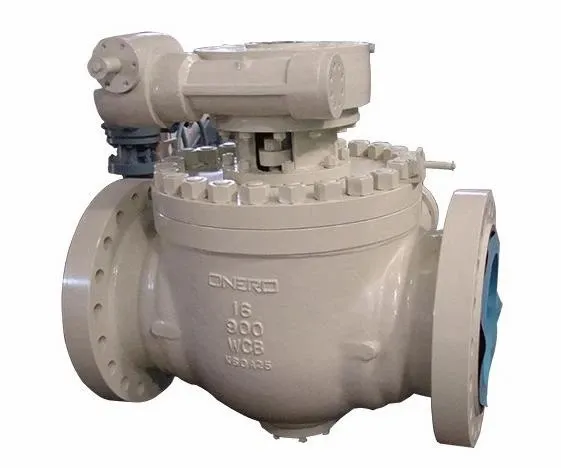
- Reduces Friction: Lubrication helps reduce friction between the moving parts of the valve, such as the ball and the seat. This reduces wear and tear, extends the lifespan of the valve, and ensures smooth operation.
- Prevents Corrosion: Lubricants can act as a protective barrier, preventing corrosion and rust from forming on the valve components. This is especially important in applications where the valve is exposed to harsh environments or corrosive fluids.
- Improves Sealing Performance: Proper lubrication helps maintain the integrity of the valve seal, ensuring a tight shut-off and preventing leakage. This is crucial for applications where even a small amount of leakage can have significant consequences.
- Enhances Operational Efficiency: A well-lubricated valve operates more efficiently, requiring less force to turn the handle or actuator. This reduces energy consumption and improves the overall performance of the system.
Choosing the Right Lubricant
Selecting the appropriate lubricant is crucial for effective valve lubrication. The choice of lubricant depends on several factors, including the type of valve, the operating conditions, and the fluid or gas being handled. Here are some general guidelines to help you choose the right lubricant:
- Compatibility: Ensure that the lubricant is compatible with the valve materials, including the ball, seat, and stem. Using an incompatible lubricant can cause damage to the valve components and compromise its performance.
- Temperature Range: Consider the operating temperature range of the valve. Choose a lubricant that can withstand the maximum and minimum temperatures encountered in the application.
- Chemical Resistance: If the valve is handling corrosive fluids or gases, select a lubricant that offers excellent chemical resistance. This will help prevent the lubricant from breaking down or reacting with the fluid, ensuring long-term performance.
- Viscosity: The viscosity of the lubricant is an important factor to consider. A lubricant with the right viscosity will provide adequate lubrication without being too thick or too thin. The viscosity requirements may vary depending on the valve design and operating conditions.
Lubrication Process
Now that you understand the importance of lubrication and how to choose the right lubricant, let's walk through the step-by-step process of lubricating a 4 way ball valve:
- Prepare the Valve: Before lubricating the valve, ensure that it is in the closed position and that the system is depressurized. This will prevent any fluid or gas from escaping during the lubrication process.
- Clean the Valve: Use a clean, dry cloth or a suitable cleaning solvent to remove any dirt, debris, or old lubricant from the valve components. Pay special attention to the ball, seat, and stem, as these are the areas that require lubrication.
- Apply the Lubricant: Using a brush, syringe, or other suitable applicator, apply a thin layer of lubricant to the ball, seat, and stem. Make sure to cover all the moving parts evenly. Avoid over-lubricating, as this can cause the lubricant to accumulate and interfere with the valve operation.
- Operate the Valve: After applying the lubricant, slowly open and close the valve several times to distribute the lubricant evenly and ensure that it reaches all the necessary areas. This will help the lubricant penetrate the surfaces and provide optimal lubrication.
- Wipe off Excess Lubricant: Once the valve has been operated, use a clean cloth to wipe off any excess lubricant from the valve exterior. This will prevent the lubricant from attracting dirt and debris, which can cause damage to the valve over time.
- Inspect the Valve: After lubricating the valve, inspect it for any signs of leakage or abnormal operation. If you notice any issues, such as excessive friction or a loose handle, address them immediately to prevent further damage to the valve.
Maintenance Tips
In addition to regular lubrication, there are several other maintenance tips that can help ensure the optimal performance and longevity of your 4 way ball valves:
- Regular Inspections: Conduct regular inspections of the valve to check for any signs of wear, damage, or leakage. Look for cracks, scratches, or corrosion on the valve components, and replace any damaged parts as soon as possible.
- Proper Installation: Ensure that the valve is installed correctly, following the manufacturer's instructions. Improper installation can cause stress on the valve components, leading to premature failure.
- Avoid Over-Tightening: When tightening the valve packing or bolts, avoid over-tightening, as this can cause damage to the valve components and affect its performance. Use a torque wrench to ensure that the bolts are tightened to the recommended specifications.
- Keep the Valve Clean: Regularly clean the valve to remove any dirt, debris, or contaminants that may accumulate on the valve exterior. This will help prevent corrosion and ensure the smooth operation of the valve.
- Store the Valve Properly: If the valve is not in use, store it in a clean, dry place to prevent corrosion and damage. Protect the valve from extreme temperatures, humidity, and direct sunlight.
Conclusion
Proper lubrication is essential for the performance and longevity of 4 way ball valves. By following the steps outlined in this blog post and choosing the right lubricant, you can ensure that your valves operate smoothly and efficiently for years to come. Remember to conduct regular inspections and maintenance to keep your valves in top condition.
If you have any questions or need further assistance with lubricating your 4 way ball valves, please don't hesitate to [contact us for procurement and negotiation]. We are a leading supplier of high-quality Wafer Ball Valve Stainless Steel, Top Entry Ball Valve, Three Way Carbon Steel Ball Valve and other valve products, and we are committed to providing our customers with the best solutions and support.
References
- Valve Handbook, Second Edition by Ernest O. Doebelin
- Industrial Valves: A Guide to Selection and Application by John P. Holland
- Lubrication Fundamentals by Howard S. Rowlands


