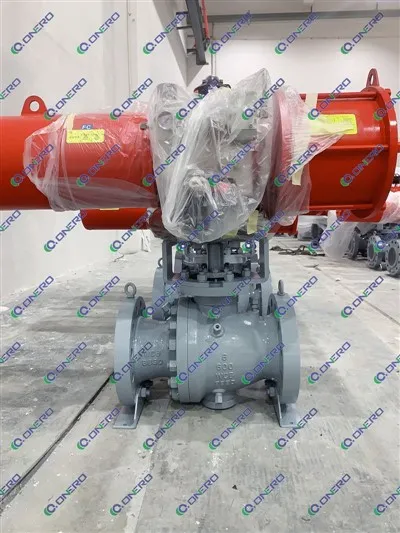
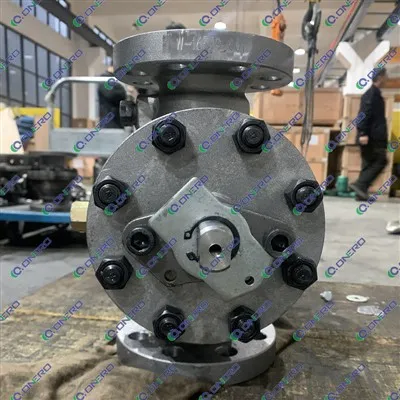
A three-way ball valve is a crucial component in many industrial and commercial applications, offering versatility and efficient flow control. As a three-way ball valve supplier, I understand the importance of helping customers make the right choice. In this blog, I'll guide you through the key factors to consider when selecting a three-way ball valve.
1. Understand Your Application Requirements
The first step in choosing a three-way ball valve is to have a clear understanding of your specific application. Consider the following aspects:
Flow Direction and Configuration
Three-way ball valves come in different configurations, mainly L-port and T-port. An L-port valve is suitable for diverting flow between two different paths, while a T-port valve can mix or distribute flow among three different paths. For example, in a chemical processing plant, if you need to direct the flow of a chemical from one tank to either of two other tanks, an L-port valve would be appropriate. On the other hand, if you want to mix two different chemicals before sending the mixture to a third location, a T-port valve is the better choice.
Flow Rate
Determine the required flow rate for your application. The size of the valve should be selected based on the flow capacity needed. A valve that is too small will cause excessive pressure drop, while a valve that is too large may be more expensive and may not provide accurate flow control. You can calculate the flow rate using the formula Q = A × V, where Q is the flow rate, A is the cross-sectional area of the valve opening, and V is the velocity of the fluid.
Pressure and Temperature
The operating pressure and temperature of your system are critical factors. Make sure the valve you choose can withstand the maximum pressure and temperature conditions in your application. For high-pressure applications, a valve with a robust construction and high-quality materials is necessary. Similarly, for high-temperature applications, the valve materials should be able to resist thermal expansion and maintain their integrity.
2. Consider the Valve Material
The material of the valve body and ball is essential for its performance and durability. Different materials are suitable for different applications:


Stainless Steel
Stainless steel is a popular choice for three-way ball valves due to its corrosion resistance, strength, and durability. It is suitable for a wide range of applications, including water treatment, food and beverage processing, and chemical industries. Stainless steel valves can withstand harsh environments and are easy to clean and maintain.
Brass
Brass valves are commonly used in low-pressure applications, such as residential plumbing and some light industrial applications. They are relatively inexpensive and have good machinability. However, brass may not be suitable for applications where corrosion is a concern, especially in the presence of certain chemicals.
PVC
PVC (Polyvinyl Chloride) valves are lightweight, corrosion-resistant, and inexpensive. They are often used in applications where the fluid is non-corrosive and the pressure is relatively low, such as irrigation systems and some water distribution systems.
3. Evaluate the Valve End Connections
The end connections of the valve are important for proper installation and connection to the piping system. Common end connections include threaded, flanged, and welded connections:
Threaded Connections
Threaded connections are easy to install and are suitable for small-diameter valves and low-pressure applications. They are commonly used in residential and light commercial plumbing systems. However, threaded connections may not be suitable for high-pressure applications due to the potential for leakage.
Flanged Connections
Flanged connections provide a more secure and leak-proof connection, especially for high-pressure and large-diameter valves. They are commonly used in industrial applications where reliability is crucial. Flanged valves can be easily disassembled for maintenance or replacement.
Welded Connections
Welded connections offer the highest level of integrity and are suitable for high-pressure and high-temperature applications. They are commonly used in pipelines and industrial systems where a permanent and leak-free connection is required. However, welded connections are more difficult to install and may require specialized equipment and skills.
4. Look for Quality and Reliability
When choosing a three-way ball valve, it is important to select a product from a reputable supplier. Look for valves that are manufactured to high-quality standards and have been tested for performance and reliability. Consider the following factors:
Certification
Check if the valve has relevant certifications, such as ISO 9001 for quality management systems and API 6D for oil and gas applications. These certifications ensure that the valve meets international standards and has been manufactured under strict quality control procedures.
Warranty
A good warranty is a sign of the manufacturer's confidence in their product. Look for valves that come with a reasonable warranty period, which can provide you with peace of mind in case of any defects or problems.
Customer Reviews
Read customer reviews and testimonials to get an idea of the valve's performance and the supplier's reputation. Positive reviews from satisfied customers are a good indication of a reliable product and a trustworthy supplier.
5. Explore Additional Features
Some three-way ball valves may come with additional features that can enhance their performance and functionality:
Locking Mechanism
A locking mechanism can prevent accidental operation of the valve, ensuring the safety of your system. This is especially important in applications where improper valve operation can lead to serious consequences.
Position Indicator
A position indicator allows you to easily determine the position of the valve ball, which is useful for monitoring and controlling the flow. It can help you quickly identify if the valve is in the correct position and make adjustments if necessary.
Actuation Options
Three-way ball valves can be operated manually or with an actuator. Manual valves are simple and cost-effective, but they may not be suitable for applications where frequent or remote operation is required. Actuators, such as electric, pneumatic, or hydraulic actuators, can provide automated control and can be integrated into a control system.
Our Product Range
As a three-way ball valve supplier, we offer a wide range of high-quality valves to meet your specific needs. Our product range includes Wafer Style Ball Valve, Top Entry Metal Seated Ball Valve, and DBB Double Ball Valve. These valves are manufactured using the latest technology and high-quality materials to ensure reliable performance and long service life.
Contact Us for Purchase and Negotiation
If you are looking for a three-way ball valve for your application, we are here to help. Our team of experts can provide you with professional advice and guidance to help you choose the right valve for your needs. We offer competitive prices, excellent customer service, and fast delivery. Contact us today to start the purchase negotiation process and find the perfect three-way ball valve for your system.
References
- Crane, D. S. (2009). Flow of Fluids Through Valves, Fittings, and Pipe. Technical Paper No. 410M.
- Walas, S. M. (1990). Chemical Process Equipment: Selection and Design. Butterworth-Heinemann.
- Perry, R. H., & Green, D. W. (1997). Perry's Chemical Engineers' Handbook. McGraw-Hill.