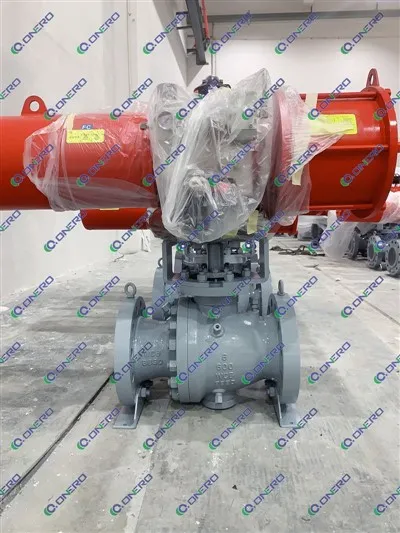
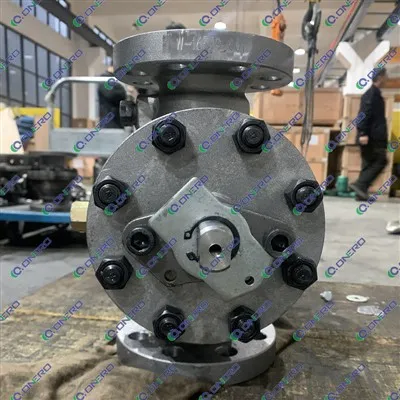
Hey there! As a supplier of Wafer Ball Valves, I often get asked the question: "How long does a Wafer Ball Valve last?" Well, it's not a one - size - fits - all answer, and there are quite a few factors that come into play. Let's dive right in and explore this topic.
Understanding Wafer Ball Valves
First things first, let's quickly go over what a Wafer Ball Valve is. It's a type of valve that uses a ball with a hole in it to control the flow of fluid. When the ball is turned so that the hole aligns with the flow path, the fluid can pass through. When the ball is rotated 90 degrees, the hole is perpendicular to the flow path, stopping the flow. These valves are popular because they're relatively simple in design, easy to operate, and can handle a wide range of pressures and temperatures.
Factors Affecting the Lifespan of Wafer Ball Valves
1. Material Quality
The materials used to make the valve have a huge impact on its lifespan. High - quality materials are more resistant to wear, corrosion, and damage. For example, if the valve body is made from a strong alloy or stainless steel, it'll be able to withstand harsh chemicals and high - pressure environments better than a valve made from a cheaper, lower - grade material. This is why we always recommend our customers to consider Carbon Steel Manual Ball Valves for applications where durability is key. They're built to last and can handle tough conditions with ease.
2. Operating Conditions
The environment in which the valve operates plays a significant role. If the valve is used in a clean, low - pressure system with a non - corrosive fluid, it can last a really long time. On the other hand, if it's exposed to abrasive particles, high - temperature fluids, or corrosive chemicals, its lifespan will be significantly reduced. For instance, in an industrial plant where the fluid contains a lot of dirt and debris, the ball and seat of the valve can wear out quickly. In a chemical processing facility where the fluid is highly corrosive, the valve body may start to corrode, leading to leaks and failures.
3. Frequency of Use
How often the valve is opened and closed also matters. A valve that's used frequently will experience more wear and tear than one that's used sparingly. In a continuous - flow system where the valve is constantly being adjusted, the internal components will degrade faster. However, in a system where the valve is only opened and closed occasionally, it can last much longer.
4. Maintenance
Regular maintenance is crucial for extending the lifespan of a Wafer Ball Valve. This includes things like lubricating the moving parts, checking for leaks, and replacing worn - out seals. If a valve isn't maintained properly, small issues can turn into big problems over time. For example, a small leak that's ignored can cause the valve to fail completely. By performing routine maintenance, you can catch these issues early and keep the valve in good working condition.
Typical Lifespan Ranges
Based on our experience as a supplier, a well - maintained Wafer Ball Valve can last anywhere from 5 to 20 years. In ideal conditions, with high - quality materials and minimal use, a valve could potentially last even longer. However, in harsh operating environments with frequent use, the lifespan may be closer to the 5 - year mark.
Let's take a look at some specific scenarios:
- Residential Applications: In a home plumbing system, where the water is clean and the pressure is relatively low, a Wafer Ball Valve can last 15 to 20 years. Since the valve is only opened and closed occasionally, and the water doesn't contain any harsh chemicals, the wear and tear are minimal.
- Commercial Applications: In a commercial building's HVAC system, the valve may be used more frequently but still in a relatively clean environment. With proper maintenance, it can last around 10 to 15 years.
- Industrial Applications: In an industrial setting, such as a chemical plant or an oil refinery, the conditions are much harsher. Here, the valve may only last 5 to 10 years, even with regular maintenance, due to the high - pressure, high - temperature, and corrosive nature of the fluids.
Specialized Ball Valves and Their Lifespans
We also offer some specialized ball valves, like Four Way Ball Valve and Top Entry Ball Valve. These valves are designed for specific applications and have their own unique lifespan characteristics.
A Four Way Ball Valve is often used in complex piping systems where multiple flow paths need to be controlled. Due to its more intricate design, it may require more maintenance and its lifespan can vary depending on the operating conditions. In a well - maintained system with moderate use, it can last around 8 to 15 years.
A Top Entry Ball Valve is commonly used in high - pressure applications. These valves are built to be more robust, but they're also subject to more stress. With proper care and in suitable conditions, they can last 10 to 18 years.
Tips for Extending the Lifespan of Your Wafer Ball Valve
- Choose the Right Valve: Make sure you select a valve that's suitable for your specific application. Consider the material, size, and pressure rating.
- Follow Installation Guidelines: Improper installation can cause premature failure. Make sure the valve is installed correctly according to the manufacturer's instructions.
- Implement a Maintenance Schedule: Set up a regular maintenance routine and stick to it. This will help you catch and fix problems early.
- Monitor the Operating Conditions: Keep an eye on the temperature, pressure, and fluid composition. If there are any changes, take appropriate action.
Conclusion
So, as you can see, the lifespan of a Wafer Ball Valve depends on a variety of factors. By choosing high - quality materials, operating the valve in suitable conditions, performing regular maintenance, and following best practices, you can maximize its lifespan.
If you're in the market for a Wafer Ball Valve or any of our other ball valve products, we'd love to help you find the right solution for your needs. Whether you're a homeowner, a commercial business, or an industrial facility, we have the expertise and products to meet your requirements. Contact us to start a discussion about your project and get a quote.


References
- "Valve Handbook" - A comprehensive guide on valve technology and applications.
- Industry standards and guidelines for valve manufacturing and maintenance.