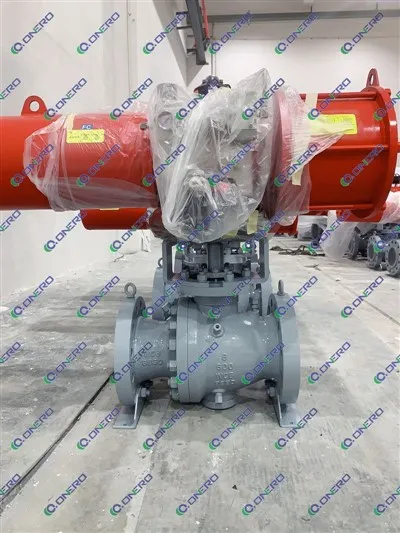
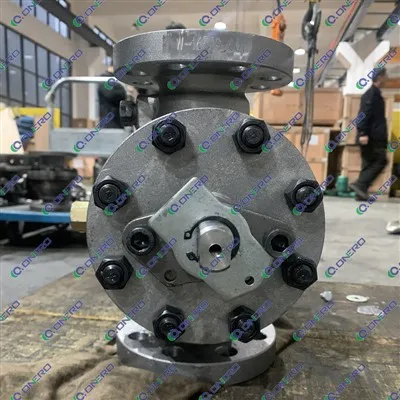
A three-way ball valve made of brass is a versatile and reliable component that can play a crucial role in a residential plumbing system. In this blog post, we'll explore the feasibility, benefits, and considerations of using a 3 way ball valve brass in a home plumbing setup. As a supplier of high - quality 3 way ball valve brass, I'm well - versed in the product's capabilities and how it can meet the needs of homeowners.
What is a 3 Way Ball Valve Brass?
A 3 way ball valve brass is a valve that has three ports and a ball with a hole through it. The ball can be rotated to different positions to control the flow of fluid through the valve. The brass construction offers several advantages. Brass is a durable alloy composed mainly of copper and zinc, which provides excellent corrosion resistance, making it suitable for use with water, the most common fluid in residential plumbing.
Feasibility in Residential Plumbing Systems
One of the primary reasons a 3 way ball valve brass is feasible for residential plumbing is its flexibility. In a home, there are often situations where you need to control the flow of water between different pipes or fixtures. For example, you might want to divert water from a main line to an outdoor faucet or switch the water supply between two bathrooms. A 3 way ball valve brass can easily handle these tasks.
It can be installed in various parts of the plumbing system, such as under sinks, in basements, or near water heaters. The valve's compact design allows for easy installation in tight spaces, and its simple operation means that homeowners can quickly learn how to use it.
Benefits of Using a 3 Way Ball Valve Brass in Residential Plumbing
- Durability: As mentioned earlier, brass is a highly durable material. It can withstand the normal wear and tear associated with daily use in a residential plumbing system. Unlike some plastic valves that may crack or break over time, a brass 3 way ball valve can last for many years, providing long - term reliability.
- Corrosion Resistance: Water in residential plumbing systems can contain various minerals and chemicals that may cause corrosion. Brass has a natural resistance to corrosion, which helps to maintain the integrity of the valve and prevent leaks. This is especially important in areas with hard water, where the presence of minerals like calcium and magnesium can accelerate corrosion in other materials.
- Versatility: The ability to control the flow of water in multiple directions makes the 3 way ball valve brass extremely versatile. It can be used for a wide range of applications, from simple water diversion to more complex plumbing configurations. For instance, it can be used in a solar water heating system to direct water between the collector, storage tank, and the main plumbing system.
- Easy Operation: The operation of a 3 way ball valve brass is straightforward. A simple quarter - turn of the handle can change the flow direction of the water. This ease of use makes it accessible to homeowners, even those with limited plumbing knowledge.
Considerations When Using a 3 Way Ball Valve Brass in Residential Plumbing
- Size and Compatibility: It's essential to choose the right size of the 3 way ball valve brass for your plumbing system. The valve's port size should match the diameter of the pipes in your home. Additionally, you need to ensure that the valve is compatible with the type of plumbing fittings you have, such as threaded or soldered connections.
- Pressure Rating: Residential plumbing systems typically operate at relatively low pressures. However, it's still important to select a 3 way ball valve brass with an appropriate pressure rating. A valve with a too - low pressure rating may fail under normal operating conditions, while a valve with a much higher rating than necessary may be more expensive and less efficient.
- Cost: While brass 3 way ball valves offer many benefits, they can be more expensive than some other types of valves, such as plastic ones. However, considering their durability and long - term performance, the initial investment may be worth it in the long run.
Comparison with Other Types of Valves
There are several other types of valves available for residential plumbing, and it's useful to compare them with the 3 way ball valve brass.
- Gate Valves: Gate valves are commonly used for on - off control of water flow. However, they are not suitable for diverting water between different pipes. A 3 way ball valve brass, on the other hand, can perform both on - off and diversion functions.
- Globe Valves: Globe valves are good for regulating the flow rate of water. But they are not as efficient as 3 way ball valves when it comes to changing the flow direction.
Our Product Range
As a supplier of 3 way ball valve brass, we offer a wide range of products to meet different needs. Our valves are manufactured using high - quality brass materials and advanced production techniques to ensure the highest level of quality and performance.


In addition to our standard 3 way ball valve brass, we also provide related products such as DBB Double Ball Valve, Carbon Steel Lockable Ball Valve, and Top Entry Trunnion Ball Valve. These products offer additional features and capabilities for more complex plumbing systems.
Conclusion
In conclusion, a 3 way ball valve brass can be an excellent choice for a residential plumbing system. Its durability, corrosion resistance, versatility, and easy operation make it a reliable component for controlling the flow of water in various applications. While there are some considerations to keep in mind, such as size, pressure rating, and cost, the benefits outweigh the potential drawbacks.
If you're considering upgrading or installing a new plumbing system in your home, we encourage you to explore our range of 3 way ball valve brass products. Our team of experts is ready to assist you in choosing the right valve for your specific needs. Contact us to start a procurement discussion and find the perfect solution for your residential plumbing requirements.
References
- "Plumbing Engineering: Design and Installation" by Joseph Lstiburek
- "Residential Plumbing Systems: A Comprehensive Guide" by John Doe