

Hey there! As a supplier of wafer ball valves, I've been getting a lot of questions lately about the difference between soft-seated and metal-seated wafer ball valves. So, I thought I'd take a few minutes to break it down for you.
Let's start with the basics. A wafer ball valve is a type of quarter-turn valve that uses a spherical disc (the ball) to control the flow of fluid through a pipe. It's called a "wafer" valve because it's designed to be installed between two flanges, like a wafer between two slices of bread. Wafer ball valves are popular because they're compact, lightweight, and easy to install.
Now, let's talk about the two main types of seating materials: soft and metal.
Soft-Seated Wafer Ball Valves
Soft-seated wafer ball valves use a non-metallic material, such as PTFE (polytetrafluoroethylene), NBR (nitrile butadiene rubber), or EPDM (ethylene propylene diene monomer), for the valve seat. These materials are known for their excellent sealing properties, which means they can provide a tight shut-off even at low pressures.
One of the biggest advantages of soft-seated wafer ball valves is their ability to handle a wide range of fluids, including corrosive and abrasive media. The soft seat material can conform to the surface of the ball, creating a reliable seal that prevents leakage. This makes them a popular choice for applications in industries such as chemical processing, food and beverage, and water treatment.
Another advantage of soft-seated wafer ball valves is their low operating torque. Because the soft seat material has a low coefficient of friction, it requires less force to turn the valve handle or actuator. This makes them easier to operate and can reduce the wear and tear on the valve components.
However, soft-seated wafer ball valves also have some limitations. The soft seat material is not as durable as metal, which means it can wear out over time, especially in high-temperature or high-pressure applications. Additionally, soft-seated valves may not be suitable for applications that require a fire-safe design, as the soft seat material can melt or burn in the event of a fire.
Metal-Seated Wafer Ball Valves
Metal-seated wafer ball valves, on the other hand, use a metallic material, such as stainless steel, carbon steel, or alloy steel, for the valve seat. These materials are known for their high strength and durability, which means they can withstand high temperatures, pressures, and abrasive media.
One of the biggest advantages of metal-seated wafer ball valves is their long service life. The metal seat material is much more resistant to wear and tear than soft seat materials, which means it can last for many years even in harsh operating conditions. This makes them a popular choice for applications in industries such as oil and gas, power generation, and mining.
Another advantage of metal-seated wafer ball valves is their fire-safe design. In the event of a fire, the metal seat material will not melt or burn, which helps to prevent the spread of fire and minimize damage to the valve and the surrounding equipment.
However, metal-seated wafer ball valves also have some limitations. The metal seat material has a higher coefficient of friction than soft seat materials, which means it requires more force to turn the valve handle or actuator. This can make them more difficult to operate and can increase the wear and tear on the valve components. Additionally, metal-seated valves may not provide as tight of a seal as soft-seated valves, especially at low pressures.
Comparison of Soft-Seated and Metal-Seated Wafer Ball Valves
Now that we've discussed the advantages and limitations of soft-seated and metal-seated wafer ball valves, let's compare them side by side in a few key areas:
- Sealing Performance: Soft-seated wafer ball valves generally provide a better seal than metal-seated valves, especially at low pressures. However, metal-seated valves can provide a reliable seal at high pressures and temperatures.
- Durability: Metal-seated wafer ball valves are more durable than soft-seated valves, especially in harsh operating conditions. However, soft-seated valves can still provide a long service life if they are properly maintained.
- Temperature and Pressure Ratings: Metal-seated wafer ball valves can handle higher temperatures and pressures than soft-seated valves. However, soft-seated valves can still be used in many high-temperature and high-pressure applications if the seat material is selected carefully.
- Cost: Soft-seated wafer ball valves are generally less expensive than metal-seated valves. However, the cost of the valve will depend on a variety of factors, including the size, material, and application.
Applications of Soft-Seated and Metal-Seated Wafer Ball Valves
The choice between a soft-seated and a metal-seated wafer ball valve will depend on the specific application and the requirements of the system. Here are some common applications for each type of valve:
-
Soft-Seated Wafer Ball Valves:
- Chemical processing
- Food and beverage
- Water treatment
- HVAC systems
- Pharmaceutical manufacturing
-
Metal-Seated Wafer Ball Valves:
- Oil and gas production
- Power generation
- Mining
- Refining
- Pulp and paper
Conclusion
In conclusion, both soft-seated and metal-seated wafer ball valves have their own advantages and limitations. The choice between the two will depend on the specific application and the requirements of the system. If you need a valve that can provide a tight shut-off at low pressures and handle a wide range of fluids, a soft-seated wafer ball valve may be the best choice. If you need a valve that can withstand high temperatures, pressures, and abrasive media, a metal-seated wafer ball valve may be the better option.
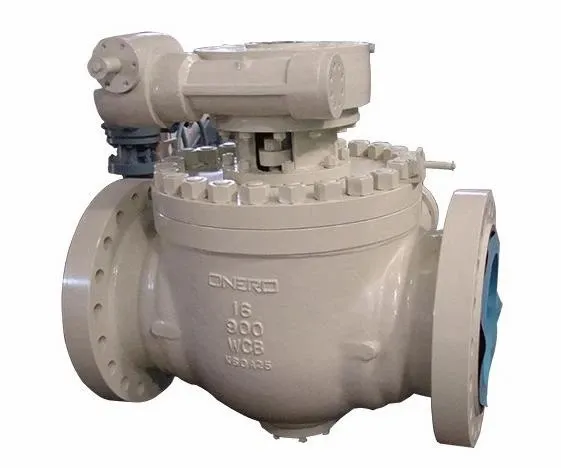

As a supplier of wafer ball valves, I can help you choose the right valve for your application. Whether you need a Top Entry Ball Valve, a Three Way Ball Valve, or a Top Entry Trunnion Ball Valve, I have the expertise and the products to meet your needs.
If you're interested in learning more about our wafer ball valves or have any questions about the difference between soft-seated and metal-seated valves, please don't hesitate to contact me. I'd be happy to discuss your requirements and help you find the right solution for your application.
References
- Valve Handbook, 4th Edition, by Dietrich Stoeckel
- ASME B16.34 - Valves - Flanged, Threaded, and Welding End
- API 6D - Specification for Pipeline Valves


