

Hey there! As a supplier of four - way ball valves, I've seen my fair share of valve issues and repairs. In this blog, I'm gonna walk you through the common repair methods for a four - way ball valve.
Understanding the Four - Way Ball Valve
Before we dive into the repair methods, let's quickly go over what a four - way ball valve is. A four - way ball valve is a type of valve that has four ports and a ball inside with a hole through it. By rotating the ball, you can control the flow of fluid or gas through different combinations of ports. It's widely used in various industries like chemical, oil and gas, and water treatment, just to name a few.
Common Problems with Four - Way Ball Valves
First off, we need to know what problems these valves usually face. The most common issues include leakage, difficulty in operation (like the valve being hard to turn), and internal damage to the ball or the seats.
Leakage can happen due to worn - out seals or gaskets. Over time, the constant flow of fluid or gas can wear down these components, causing them to lose their ability to create a tight seal. When you notice a leak around the valve body or at the connections, it's a clear sign that the seals or gaskets need attention.
Difficulty in operation is often caused by debris or corrosion inside the valve. If there are particles in the fluid flowing through the valve, they can get stuck between the ball and the seats, making it hard to rotate the ball. Corrosion, on the other hand, can also affect the smooth movement of the ball by creating rough surfaces.
Internal damage to the ball or the seats can occur due to high - pressure applications or abrasive fluids. The ball might get scratched or dented, and the seats can be worn unevenly, which will affect the valve's performance.
Repair Methods
Seal and Gasket Replacement
If you're dealing with a leaky four - way ball valve, the first thing you should check is the seals and gaskets. Most of the time, this is a relatively simple fix. First, you need to shut off the flow of fluid or gas to the valve. Then, carefully remove the valve from the pipeline.
Once the valve is out, you can start disassembling it. Locate the seals and gaskets. They are usually found around the valve stem and at the connections. Use the right tools, like a screwdriver or a wrench, to remove the old seals and gaskets. Make sure to clean the areas where the seals and gaskets were sitting to remove any debris or old sealant.
After cleaning, install the new seals and gaskets. Make sure they are properly seated and aligned. Reassemble the valve and reinstall it in the pipeline. Test the valve to see if the leak has been fixed.
Cleaning the Valve
When the valve is hard to operate, cleaning is often the solution. Start by shutting off the flow and removing the valve from the pipeline. Disassemble the valve as much as possible without damaging it.
Use a suitable cleaning solution to remove the debris and corrosion. You can soak the parts in the cleaning solution for a while to loosen the dirt. For stubborn debris, you can use a soft brush to gently scrub the surfaces. Pay special attention to the ball and the seats, as any remaining debris here can still cause problems.
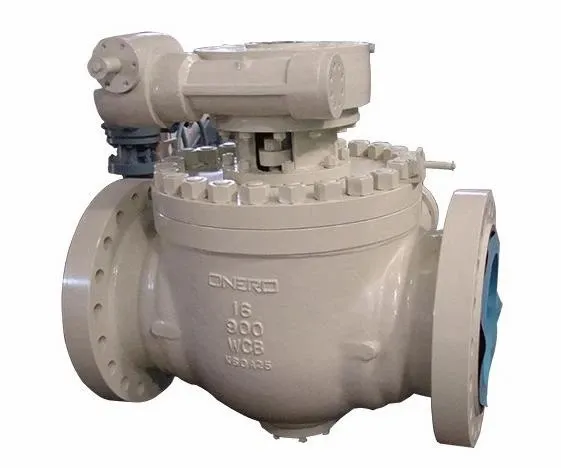

After cleaning, rinse the parts thoroughly with clean water and let them dry completely. Once dry, reassemble the valve. You might also want to apply a small amount of lubricant to the moving parts to ensure smooth operation.
Repairing or Replacing the Ball and Seats
If the ball or the seats are damaged, the repair process gets a bit more complicated. In some cases, minor scratches or dents on the ball can be repaired by grinding or polishing. However, this requires some skill and the right tools.
If the damage is severe, it's usually better to replace the ball and seats. You can order replacement parts from a reliable supplier. When replacing the ball and seats, make sure they are the correct size and type for your valve. Follow the manufacturer's instructions carefully during the installation process.
Tips for Preventive Maintenance
To avoid frequent repairs, it's important to do some preventive maintenance. Regularly inspect the valve for any signs of wear or damage. Keep the valve clean by flushing the pipeline periodically to remove debris.
If the valve is used in a high - pressure or corrosive environment, consider using protective coatings on the valve components. Also, make sure to follow the recommended operating conditions for the valve, such as the maximum pressure and temperature limits.
Related Products
If you're in the market for other types of ball valves, we also offer Top Entry Ball Valve, Carbon Steel Manual Ball Valves, and Wafer Style Ball Valve. These valves are made with high - quality materials and are designed to meet various industrial needs.
Conclusion
Repairing a four - way ball valve doesn't have to be a nightmare. By understanding the common problems and following the right repair methods, you can keep your valve in good working condition. If you have any questions or need further assistance with your four - way ball valve, or if you're interested in purchasing our valves, don't hesitate to reach out. We're here to help you make the best decision for your industrial needs.
References
- Valve Handbook: A Guide to Valve Technology and Applications
- Industrial Valve Maintenance and Repair Manual


